
Dehydrated skin: your skin's cry for water, not oil
Dehydrated skin feels tight. It looks dull. Those fine lines you swear weren't there yesterday? They're your skin's way of showing you it's parched. The good news is that unlike dry skin (which you're born with), dehydration is completely fixable. And the fix doesn't involve slathering on heavy creams that leave you feeling like a glazed doughnut.
This guide cuts through the confusion between dry and dehydrated skin, reveals the sneaky culprits stealing your skin's moisture, and shows you exactly how to build a hydrating routine that actually works. No fluff. Just the science-backed approach that's helped thousands of Pai customers get their glow back.
Is my skin dry or dehydrated? Here's how to tell
This confusion comes up in almost every skin consultation we do, and for good reason. The symptoms overlap, but the causes and solutions are completely different.
Dry skin is your genetics talking. It's a skin type characterised by underactive oil glands that produce less sebum than normal. Without enough natural oil to seal in moisture, skin appears flaky, rough, and prone to conditions like eczema and psoriasis. If you've always had skin that feels tight after cleansing and drinks up moisturiser like it's water in the desert, you have dry skin. Our guide on how to soothe dry skin dives deeper into managing this skin type.
Dehydrated skin is about water, not oil. It's a temporary condition that any skin type can experience. Yes, even oily skin can be dehydrated (and often is). The telltale signs: skin that looks papery and feels tight, fine lines that appear out of nowhere, and a complexion that's lost its bounce. When you smile, does your skin take a second to spring back? That's dehydration.
Want proof? Try the turgor test. Pinch the skin on your cheek or the back of your hand. If it snaps back immediately, you're hydrated. If it takes its sweet time, your skin needs water. Stat.
The brilliant thing about dehydrated skin? It's completely reversible. A few targeted tweaks to your routine and you'll see results within days, not weeks.
Why treating dry vs dehydrated skin requires different tactics
Both conditions benefit from hydration and moisturisation, but the approach matters.
Dry skin lacks oil, so it needs rich, fatty moisturisers that compensate for underperforming sebaceous glands. Think buttery textures packed with plant oils and butters. For younger dry skin, Love & Haight delivers the perfect balance of nourishment without heaviness. Mature dry skin calls for something richer: Salvation Jane brings out the big guns with echium and macadamia oils.
Dehydrated skin needs a two-step rescue mission. First, flood it with water-based hydration. Then lock that hydration in with a breathable oil layer. The mistake most people make? Jumping straight to heavy creams without addressing the water deficit first. That's like trying to plump a raisin by coating it in butter.
For dehydration, you also need to hydrate from within. Water, herbal teas, water-rich foods. And yes, that means easing up on the coffee and wine for a bit. Your skin will thank you by looking less like parchment paper and more like, well, skin.
The sneaky culprits behind dehydrated skin
Central heating and air conditioning
Your perfectly climate-controlled office? It's basically a dehydration chamber. Both heating and cooling systems strip moisture from the air faster than you can say "transepidermal water loss." Notice how much water you gulp down on long flights? That's the same effect happening to your skin every day at your desk.
Sun damage
UVA rays don't just age your skin. They damage its ability to hold onto moisture. Think of sun exposure as a slow leak in your skin's hydration system. The damage accumulates over time until one day you wake up wondering why your face feels like it's been freeze-dried.
Harsh skincare (the biggest offender)
If your cleanser leaves your skin "squeaky clean," it's stripping away more than dirt. Those tight, dry feelings after washing? That's your barrier function waving a white flag. Surfactants, alcohol-based toners, and overzealous exfoliation are the usual suspects. They compromise the lipid barrier that keeps hydration locked in and irritants locked out.
How dehydration shows up on different skin types
Balanced skin
Lucky you with normally well-behaved skin. Dehydration announces itself clearly: sudden tightness, fine lines that weren't there last week, and a complexion that looks flat instead of glowing. Dark circles deepen. Your skin loses that plump, bouncy quality it usually has.
Dry skin
When dry skin gets dehydrated, it's a double whammy. The usual flakiness intensifies. Those fine dehydration lines become more pronounced because thinner, drier skin shows every crease. Your complexion goes from matte to downright dull. It's the skin equivalent of a drought meeting a desert.
Oily skin
This is where things get confusing. Dehydrated oily skin produces even more oil in a misguided attempt to protect itself. You end up with the worst of both worlds: an oil slick on the surface with tightness and flakiness underneath. If your skin feels simultaneously greasy and parched, dehydration is your culprit.
Sensitive skin
Dehydration turns sensitive skin into a drama queen. Everything stings. Redness flares. Products that usually play nice suddenly cause reactions. Why? Because a compromised moisture barrier can't protect against irritants. The less hydrated your skin, the more reactive it becomes. For skin that's both dehydrated and sensitive, adding Century Flower mist before your hydrating routine can help calm inflammation while rebuilding moisture levels.
The hydration rescue routine that actually works
Start with a proper double cleanse
Every Pai consultation hammers this point home: nail your cleanse, and everything else falls into place. Counterintuitive as it sounds, double cleansing is essential for dehydrated skin. Not because you need extra cleaning, but because you need complete removal of makeup, SPF, and daily grime without stripping.
Start with Light Work Rosehip Cleansing Oil to dissolve the day's accumulation. Follow with Middlemist Seven cream cleanser and its muslin cloth for a deep yet gentle cleanse. Skip the makeup? Just use Middlemist Seven alone. Either way, you're removing impurities while preserving your skin's moisture. Our guide to muslin cloths shows you exactly how to use them for maximum benefit.
Deploy a hydration serum (this is non-negotiable)
Serums are your hydration heavy-hitters. Their smaller molecules penetrate deeper than any cream, delivering actives where they're needed most. For dehydration, that active is hyaluronic acid.
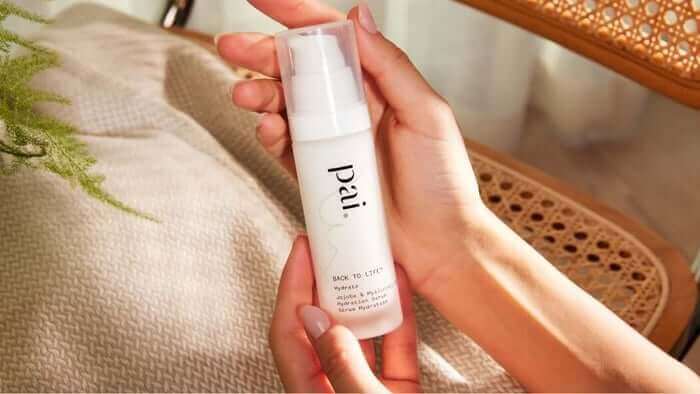
Our Back To Life Hydration Serum contains multiple molecular weights of hyaluronic acid. This isn't marketing speak. It means the serum hydrates at different skin depths: larger molecules create a moisture reservoir on the surface, smaller ones sink deeper to plump from within. Each molecule can hold up to 1,000 times its weight in water. It's like installing multiple water tanks throughout your skin.
The protocol: apply to damp skin (this gives the HA extra water to grab onto) and use it 2-3 consecutive nights per week. Think of it as intensive hydration therapy. For an extra boost, mix a drop or two of our Hyaluronic Acid Booster into your serum or moisturiser.
Lock it in with the right moisturiser
Here's where people go wrong: they think heavier equals better for dehydration. Not true. You need a moisturiser that seals in hydration without suffocating skin.
Love & Haight is our dehydration specialist. Light enough to layer, rich enough to protect. The jojoba mimics skin's natural sebum, while avocado oil delivers vitamins A, D, and E. It creates a breathable barrier that keeps water in and environmental stressors out. For very dehydrated skin, layer it over Back To Life Serum. For maintenance, use it solo.
Add a face oil for night repair
Night-time is when skin shifts into repair mode. Support this with Rosehip BioRegenerate Oil. Beyond its cult status (we've sold millions of bottles), this oil earns its place in a dehydration routine through pure science.
CO2-extracted rosehip delivers omegas 3, 6, 7, and 9 plus antioxidants that repair dehydration damage. The oil forms a protective seal that prevents overnight moisture loss while the regenerative compounds get to work. Check out these unexpected ways to use rosehip oil for maximum benefits. Apply it as your final step in your nighttime routine and wake up to skin that actually looks rested.
Weekly mask for emergency hydration
Face masks are your emergency rescue team. But choosing one with genuine hydrating power matters more than the Instagram factor.
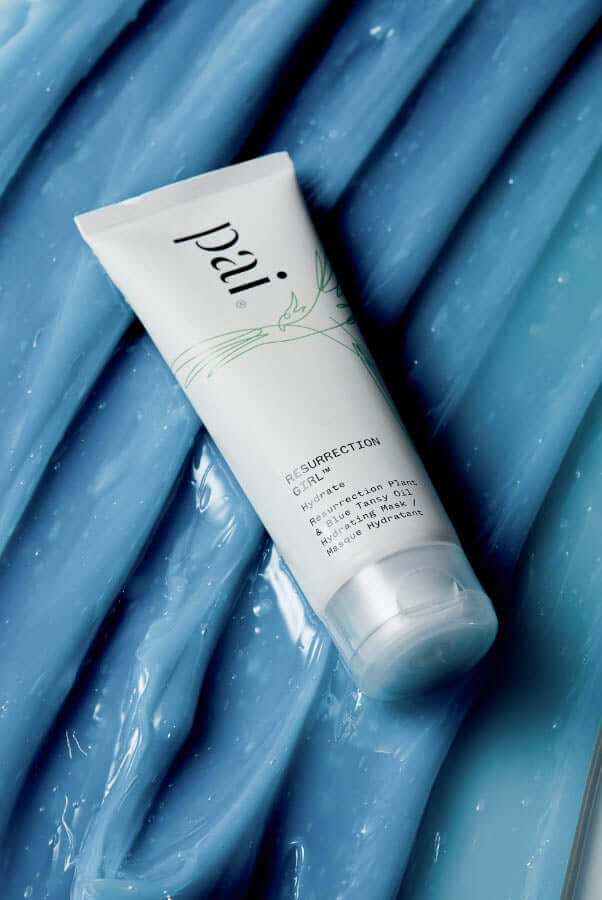
Resurrection Girl lives up to its name. This ocean-blue gel mask contains resurrection plant extract, which can survive years without water then spring back to life with the first rainfall. The plant's secret? Compounds that protect cellular structures during extreme dehydration. Your skin gets the same protection.
Use it 1-2 times weekly: apply the blue gel, leave for 10 minutes, add water to transform it to milk, rinse. Follow with serum and moisturiser. Consumer trials showed 91% found their skin felt hydrated and smoother after just two uses. For severely dehydrated skin, use it on consecutive nights as an intensive treatment.
The bottom line on dehydrated skin
Dehydration is your skin's SOS signal, not its destiny. Unlike dry skin (which you manage), dehydration is something you fix. The solution isn't complicated: remove impurities without stripping, flood skin with water-based hydration, lock it in with smart moisturisation, and protect with quality plant oils.
Start with one change. If your cleanser leaves you tight, switch to oil cleansing. If your skin drinks up moisturiser but still feels parched, add Back To Life Serum underneath. Small tweaks, big results.
Within a week, those papery patches smooth out. Fine dehydration lines soften. Your complexion stops looking like it's been through the washing machine and starts looking like skin again. Plump, bouncy, glowing skin.
Still confused about what your skin needs? Book a free skincare consultation with our experts for personalised advice.
Frequently Asked Questions
What is the difference between dry skin and dehydrated skin?
Dry skin is a skin type that produces less oil (sebum) than normal, leaving skin flaky and more prone to conditions like eczema and psoriasis. Dehydrated skin is a temporary condition where skin lacks water rather than oil, causing tightness, dullness, and a papery texture. Any skin type, including oily skin, can become dehydrated, and the good news is it can be fixed with the right routine.
What causes dehydrated skin?
The most common culprits are air conditioning and central heating, which steadily deplete your skin's moisture levels, much like how flying leaves you parched. Prolonged sun exposure (particularly UVA) dehydrates skin from the inside out, and harsh skincare products can strip your skin's natural barrier, letting moisture escape.
How can I tell if my skin is dehydrated rather than just dry?
Dehydrated skin typically looks tight, dull, and papery rather than flaky, and may show premature fine lines and reduced elasticity. You can try the turgor test: pinch the skin on the back of your hand or cheek and see how quickly it bounces back. If it's slower than usual, that points to dehydration. On oily skin, dehydration often triggers excess oil production as your skin tries to compensate for the lack of water.
What is the best skincare routine for dehydrated skin?
Start with a double cleanse, using Light Work Rosehip Cleansing Oil to remove makeup and SPF, followed by Middlemist Seven cream cleanser to leave skin clean without stripping moisture. Then apply Back To Life Hydration Serum two to three nights a week for deep hydration, as its hyaluronic acid holds up to 1,000 times its weight in water. Follow with Love & Haight Moisturiser daily to lock that hydration in, and layer Rosehip BioRegenerate Oil at night to repair damage with regenerative omegas and shield skin from further moisture loss.
Why do you need both a hydrating serum and a moisturiser for dehydrated skin?
Serums are made up of much smaller molecules than creams, so they deliver hydrating actives like hyaluronic acid deeper into the skin where moisture is most needed. A moisturiser then creates a protective barrier on top, locking all that water in and preventing it from escaping. Without the moisturiser, your serum's hydration evaporates; without the serum, your moisturiser is just sealing in a deficit.