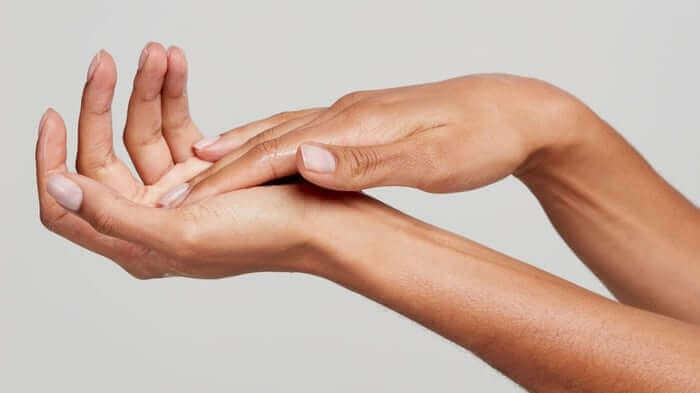

Cracked, itchy hands are sending us a clear message. The skin on our hands takes more punishment than any other part of our body, yet we rarely give them the same attention we give our faces. Between washing dishes, constant hand hygiene, and winter weather, our hands are fighting a losing battle against moisture loss.
Your hands feel like sandpaper despite slathering on cream because there's a scientific reason behind it. Here's what's really happening to your skin barrier and how to repair it properly.
Why your hands are so dry all the time
The hand-washing paradox
Good hygiene habits come with a side effect: stripped skin. Every time we wash our hands, we're removing more than germs. We're washing away the skin's natural lipids that form our protective barrier.
Liquid soaps are the worst culprits. Most contain sodium lauryl sulphate (SLS), a foaming agent that's remarkably efficient at dissolving oils. Great for cleaning. Terrible for skin. SLS doesn't discriminate between the oil on a dirty plate and the essential lipids holding your skin cells together.
Hand sanitisers with their high alcohol content are equally harsh, evaporating those precious skin lipids on contact. For those with already sensitive skin, this creates a vicious cycle. Damaged barrier leads to increased sensitivity, which makes skin react even more to the next wash.
Kitchen sink dermatitis
Doing the dishes combines all the worst elements for hand health: hot water, harsh detergents, and prolonged exposure. That satisfying foam is created by the same SLS that strips your hands, while hot water accelerates the process by melting away what's left of your natural oils.
The result? Hands that feel tight, look flaky, and sometimes crack painfully at the knuckles. What starts as dryness can quickly progress to contact dermatitis if the barrier damage continues unchecked.
Cleaning products and chemical exposure
Household cleaners are formulated to cut through grease and grime with industrial efficiency. Without gloves, they'll do the same to your skin's protective layer. The alkaline pH of most cleaners disrupts the skin's naturally acidic mantle, leaving it vulnerable to irritation and unable to defend against bacteria.

Winter warfare
Cold weather is brutal on hands. Low humidity outdoors combined with central heating indoors creates a moisture-sapping environment. Unlike our faces, which we protect with serums and moisturisers, our hands face the elements undefended.
Winter air holds less moisture, pulling hydration from your skin. Indoor heating compounds the problem by creating desert-like conditions. Dry skin in winter isn't just uncomfortable, it's your barrier crying out for help.
When it's more than just dryness
Sometimes persistently dry, cracked hands signal an underlying condition. Eczema, psoriasis, or contact dermatitis can all manifest as chronic hand dryness. If your hands don't improve with barrier repair and protection, see a dermatologist to rule out these conditions.
How to repair and protect dry, damaged hands
Healing cracked hands requires removing triggers and actively rebuilding the barrier. Here's the science-backed approach that actually works.
1. Switch to SLS-free formulations
The single biggest favour you can do your hands? Ditch sodium lauryl sulphate. Look for vegetable oil-based soaps or certified natural formulations that clean without stripping. Fragrance-free options reduce irritation risk further.
For washing up, choose plant-based liquids without SLS, synthetic fragrances, or dyes. Yes, they foam less. That's the point. Less foam means less stripping, which means happier hands.
2. Rethink your gloves
Washing-up gloves protect against water and chemicals, but latex gloves can trigger allergies that worsen hand problems. Symptoms include redness, itching, and sometimes cracking that mimics severe dryness.
Switch to vinyl or nitrile gloves instead. They provide the same protection without the allergy risk. Interesting connection: if you react to latex gloves, you might also react to avocados, bananas, and kiwis. They share similar proteins that trigger cross-reactions.
3. Skip petroleum-based barriers
Petroleum jelly seems like an obvious choice for damaged hands, but it's a temporary fix that can backfire. While it blocks water loss, it also blocks everything else, preventing the skin from functioning normally. Once you stop using it, hands often feel drier than before because the skin hasn't learned to regulate moisture properly.
4. Feed your skin from within

Essential fatty acids are the building blocks of healthy skin barriers. Omega-3, -6, and -9 work from inside out to strengthen cell membranes and improve moisture retention.
Load up on oily fish, walnuts, chia seeds, and flaxseeds. If your diet lacks these, consider a supplement. Pure hemp or flaxseed oil taken off the spoon delivers concentrated omegas. Store in the fridge to prevent oxidation.
5. Choose barrier-building hand care
The most effective hand creams don't just sit on the surface. They actively rebuild the barrier using ingredients that mirror your skin's natural structure.
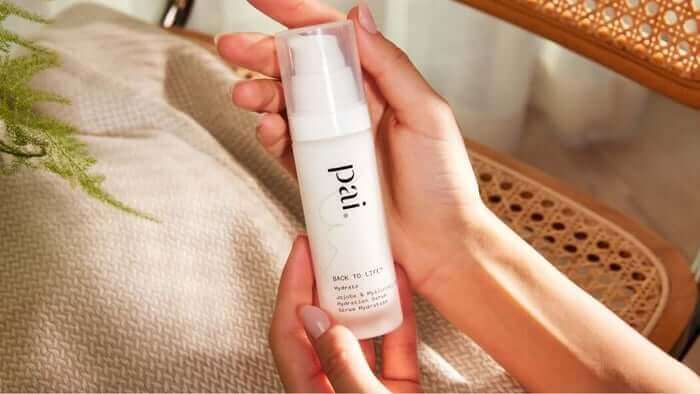
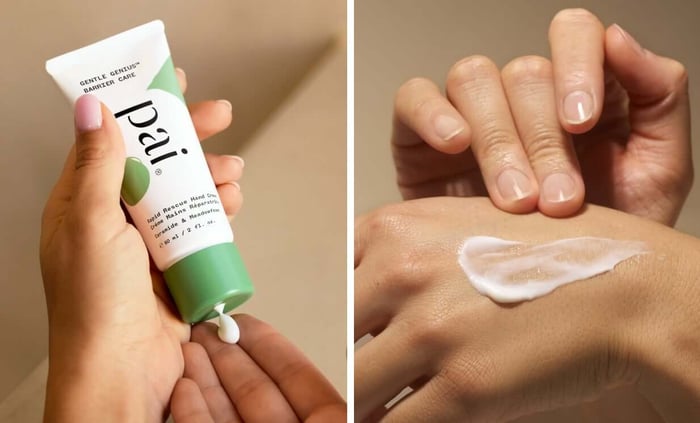
Our Rapid Rescue Hand Cream works through biomimetic ceramides that trigger your skin's own ceramide production. The formula combines a multi-chain ceramide complex with oat lipids that fill the gaps between skin cells, plus three types of humectants that draw and hold moisture at different skin depths. It absorbs fast without leaving a greasy film, so you can get on with your day.
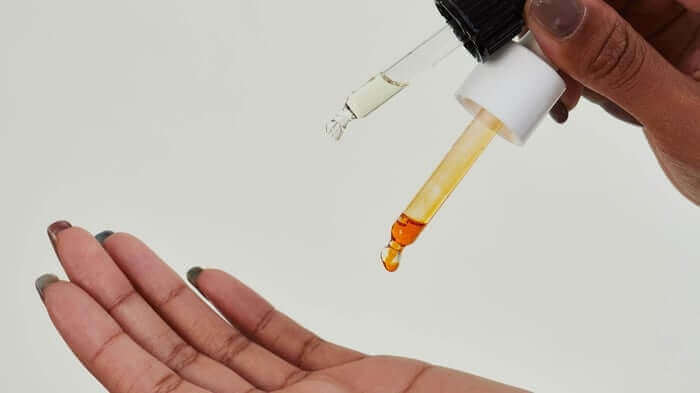
For intensive overnight repair, layer Rosehip BioRegenerate over your hand cream. CO2-extracted rosehip delivers omega fatty acids that accelerate barrier repair while you sleep. Our extraction method preserves 700% more regenerative compounds than cold-pressed oils, making every drop count.
Apply generously before bed and slip on cotton gloves to help the actives penetrate rather than transfer to your sheets. You'll wake up with noticeably softer hands.
Shop our complete hand and body collection for barrier repair solutions, or book a free skin consultation for personalised advice.
Frequently Asked Questions
Why does washing dishes and using hand sanitiser make my hands so dry?
Liquid soaps, washing-up liquids, and alcohol-heavy hand sanitisers contain chemical detergents (like SLS) that strip your hands of their natural oils and disrupt your protective skin barrier. Hot water makes it worse by accelerating oil loss, and once the skin cracks, it becomes even more vulnerable to further irritation from those same products, creating a vicious cycle.
What ingredients should I look for in a hand cream for very dry, cracked hands?
Look for a certified organic hand cream free from the chemical irritants (SLS, synthetic fragrances, dyes) that likely caused the damage in the first place. Pai's Rapid Rescue Hand Cream uses a biomimetic ceramide complex that actually triggers your skin's own ceramide production via phytosphingosine, plus oat lipids that replenish lost barrier lipids and soothe rough skin. It absorbs fast without leaving a greasy residue, which matters when you're reapplying throughout the day.
Can rosehip oil help repair dry, damaged hands?
Yes. Adding a couple of drops of a high-quality rosehip oil to your hand cream or directly to your hands gives an extra boost of essential fatty acids (Omegas 3, 6, 7, and 9) that nourish skin and accelerate natural healing. Pai's Rosehip BioRegenerate Oil is CO2-extracted from both the fruit and seed, delivering up to 700% more polyphenols and 65% more regenerative sterols than competitor rosehip oils, so each drop does more for skin repair.
Should I wear rubber gloves to protect my hands when washing dishes?
Gloves are a great idea, but choose vinyl rather than latex. Latex is a surprisingly common allergen that can cause further irritation. A helpful clue: roughly half of people with a latex allergy also react to avocados, bananas, and kiwis.
What is the best overnight treatment for severely dry hands?
Apply a generous layer of a ceramide-rich hand cream (like Pai's Rapid Rescue Hand Cream) mixed with a few drops of Rosehip BioRegenerate Oil, then wear cotton gloves to bed. The gloves lock everything in so the actives absorb into your skin overnight rather than your bedsheets, giving your hands an intensive repair session while you sleep.