
Oily skin and acne create a self-perpetuating cycle: excess oil clogs pores, clogged pores trigger breakouts, and the cycle continues.
Managing oily, acne-prone skin is about understanding what's actually happening beneath the surface and choosing products that work with your skin's biology rather than against it. Here's what actually works.
What causes oily skin and acne?
Oily skin happens when your sebaceous glands produce more sebum than necessary. Sometimes you're born with larger sebaceous glands (genetics), sometimes external factors trigger overproduction. Here are the main culprits:
- Genetics: If your parents had oily skin, you've likely inherited those same productive sebaceous glands.
- Hormones: Androgens stimulate sebum production, which is why oily skin often appears during puberty, menstruation, or periods of stress.
- Over-cleansing: Stripping your skin with harsh cleansers triggers a rebound effect. Your skin produces even more oil to compensate for what you've removed.
- Diet: Foods with a high glycemic index can spike insulin levels, which may increase sebum production.
- Climate: Hot, humid weather stimulates oil glands and slows down natural skin cell turnover.
How to tell if you have oily skin
True oily skin is different from combination skin, where you might have an oily T-zone but dry cheeks. With genuinely oily skin, the excess sebum appears all over your face. You'll notice:
- Visible shine within an hour or two of cleansing
- Enlarged pores, particularly on your nose, chin, and forehead
- Frequent blackheads and breakouts
- Makeup that slides off or breaks down quickly
To test your skin type: cleanse your face with a gentle cleanser, pat dry, and don't apply any products. If your bare skin feels oily within an hour, you have oily skin. If it takes 2-3 hours and only appears in your T-zone, you're combination.
How to care for oily, acne-prone skin
The secret to managing oily skin isn't about removing every drop of oil. It's about balance. Your skin needs some natural oils to function properly. Strip them all away and you'll trigger even more production. Here's the approach that actually works:
Stop touching your face
Your hands carry their own oils plus whatever you've touched throughout the day. Every time you rest your chin on your hand or rub your forehead, you're transferring dirt, bacteria, and additional oils to your face.
More importantly, touching active breakouts spreads acne-causing bacteria (Cutibacterium acnes) to other parts of your face. It's often a subconscious habit, so try to catch yourself. If you need to manage shine during the day, use blotting papers rather than your hands.
Cleanse properly, not obsessively
Regular cleansing removes excess oil, unclogs pores, and washes away acne-causing bacteria. But there's a critical difference between cleansing effectively and over-cleansing.
The trick is choosing the right cleanser. Avoid anything with SLS or SLES. These harsh detergents damage your skin barrier and trigger compensatory oil production. Instead, look for gentle formulas that clean without stripping.
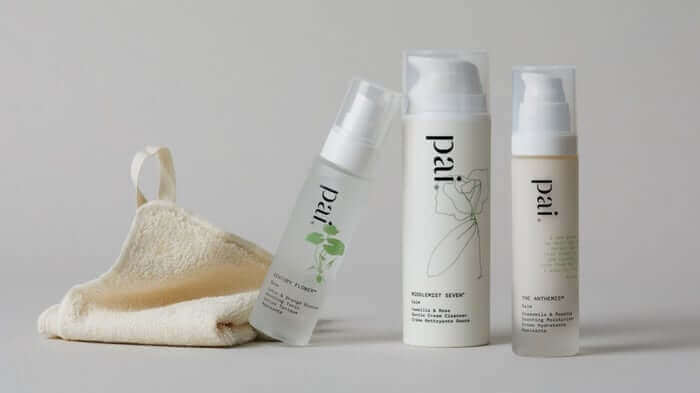
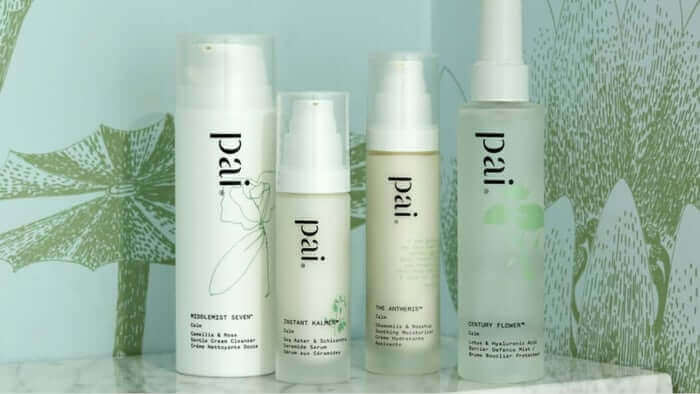
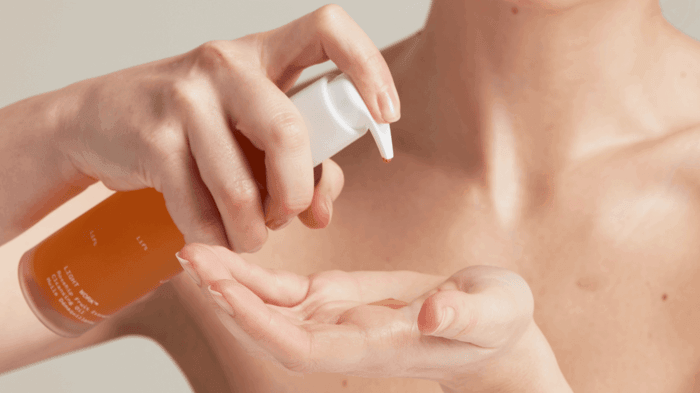
For oily skin that's also sensitive (a surprisingly common combination), try the double cleanse method. Start with an oil cleanser. It dissolves makeup, SPF, and excess sebum using the principle that oil dissolves oil. Follow with a cream cleanser containing ingredients like camellia oil, which is rich in omegas and won't disturb your skin's pH.
If you prefer a foaming texture, choose one that uses plant-derived surfactants instead of sulfates. Our PHAZE PHA Clarifying Face Wash creates a satisfying lather while the gluconolactone gently exfoliates to prevent pore blockages.
Don't skip moisturiser
This is where most people with oily skin go wrong. Skipping moisturiser doesn't reduce oil. It increases it. When skin lacks moisture, it panics and produces more sebum to compensate.
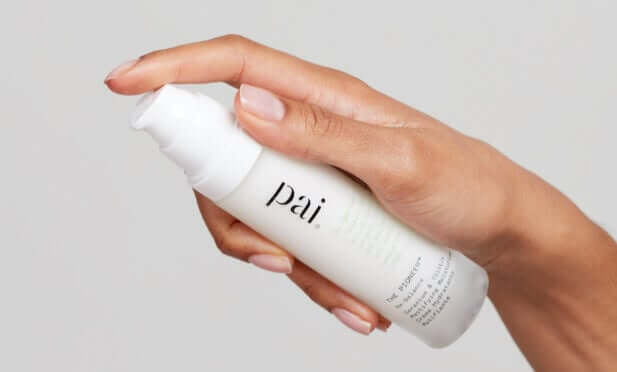
The key is choosing a moisturiser specifically formulated for oily skin. Look for lightweight, non-greasy formulas that hydrate without adding shine. The Pioneer Rebalancing Day Cream contains thistle oil with high levels of omega 6, which helps reduce the appearance of large pores while keeping skin mattified throughout the day.
Build a consistent routine
Once you have the basics in place, consistency is everything. A carefully planned routine helps regulate your skin's oil production over time. Stick to it for at least 4-6 weeks before expecting dramatic changes. Skin cell turnover takes time.
Consider booking a skin consultation to create a routine tailored to your specific needs. An expert can help you find the right combination of products to rebalance your skin without triggering sensitivity or dryness.
The bottom line
Managing oily, acne-prone skin is entirely possible when you understand what your skin actually needs. Clean it properly (but not obsessively), keep it hydrated, and give it time to find its balance. With the right approach and products, you can have clear, healthy skin that stays shine-free without feeling stripped or tight.
Shop our organic skincare collection for gentle, effective products that work with your skin's natural processes.
Frequently Asked Questions
Why does oily skin often lead to acne breakouts?
Oily skin means your sebaceous glands are producing excess sebum, which can clog your enlarged pores and create a breeding ground for acne-causing bacteria. Genetics, hormone imbalances, diet high in glycemic foods, environmental factors like humidity, and even over-washing with harsh products can all trigger or worsen this cycle.
Won't moisturising make oily, acne-prone skin worse?
This is one of the most common misconceptions. Skipping moisturiser can actually make things worse, because dehydrated skin compensates by ramping up sebum production. A light, non-greasy, mattifying moisturiser designed for oily skin keeps hydration levels balanced so your skin doesn't feel the need to overproduce oil.
How should I cleanse oily skin without stripping it?
Avoid harsh detergents like SLS and SLES, which strip your skin's natural oils and trigger rebound sebum production. A double cleanse works well: start with an oil cleanser like Light Work to dissolve makeup and grime without surfactants, then follow with either a nourishing cream cleanser like Middlemist Seven or a gentle foaming wash like PHAZE, which uses plant-derived surfactants and PHA to unclog pores without drying you out.
What is PHA and why is it better than traditional acids for sensitive, blemish-prone skin?
PHA (polyhydroxy acid) is a next-generation exfoliant with larger molecules than AHAs like glycolic acid, so it works at the skin's surface without penetrating deep enough to cause stinging or irritation. PHAZE uses gluconolactone, a PHA that also acts as a humectant, meaning it hydrates while it exfoliates. In a consumer trial of 115 women over 2 weeks, 79% said skin looked clearer and 72% reported reduced blemishes.
How can I tell whether I have oily skin or combination skin?
Combination skin typically means oil concentrated in the T-zone (nose, chin, forehead) with drier cheeks, while truly oily skin means excess shine and a greasy feel all over. A simple test: wash with a gentle cleanser, skip moisturiser, and check your skin after an hour. If it already feels oily across your entire face, you're dealing with an oily skin type.