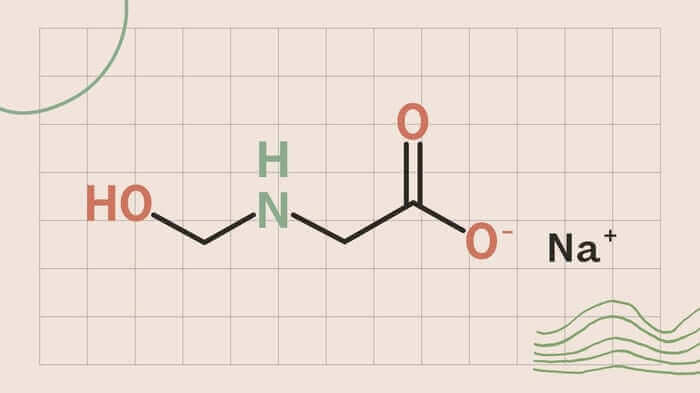

Sodium Hydroxymethylglycinate (SHMG for short) is a preservative that crops up in skincare, shampoos, and body products. It prevents bacterial and fungal growth in your products. The problem? It's also one of the most common causes of allergic reactions to cosmetics.
We see it constantly. Customers arrive at Pai after years of mysterious skincare reactions, and SHMG is often the culprit. So here's what you need to know about this ingredient, why it causes problems, and what to use instead.
The Science Behind SHMG
SHMG works by slowly releasing formaldehyde into your product. The same formaldehyde that's a known carcinogen and skin sensitiser.
Even at concentrations below 0.05%, formaldehyde can trigger contact dermatitis in sensitive individuals. The EU caps SHMG at 0.5% in cosmetics, but that's still enough to cause reactions in many people.
Here's the real problem: SHMG releases formaldehyde continuously. So while your product might start with safe levels, by the time it's been sitting on your bathroom shelf for six months, those levels have crept up. Your skin bears the consequences of this accumulation.
Why Brands Still Use It
Here's the irony: Many brands switched to SHMG specifically to avoid parabens and earn that coveted "paraben-free" label. But the data shows more people react to SHMG than parabens. It's a classic case of marketing trumping science.
You'll often see SHMG described as "naturally derived from glycine" (an amino acid). Technically true, in the same way plastic is naturally derived from petroleum. The manufacturing process involves multiple synthetic steps, which is why COSMOS won't certify it as natural.
Manufacturers like SHMG because it's cheap, effective, and lets them make "paraben-free" claims. The result is increased sensitisation rates in consumers.
Spotting the Symptoms
SHMG reactions typically show up as:
- Immediate stinging or burning on application
- Red, inflamed patches that appear hours later
- Persistent irritation that gets worse with continued use
- Contact dermatitis that spreads beyond the application area
The tricky part? These reactions can develop over time. You might use a product for months before developing a reaction. This delayed reaction reflects formaldehyde accumulation over time.
Finding SHMG-Free Alternatives
At Pai, we use only COSMOS-approved preservatives. We avoid formaldehyde donors and sensitising preservatives entirely. Every product is patch tested on people with sensitive skin, because saying "suitable for sensitive skin" means nothing if you don't actually test it.
If you're dealing with reactions and suspect SHMG might be the cause, check your current products. It hides under various names (see below), but the effects are always the same: compromised skin that never quite settles.
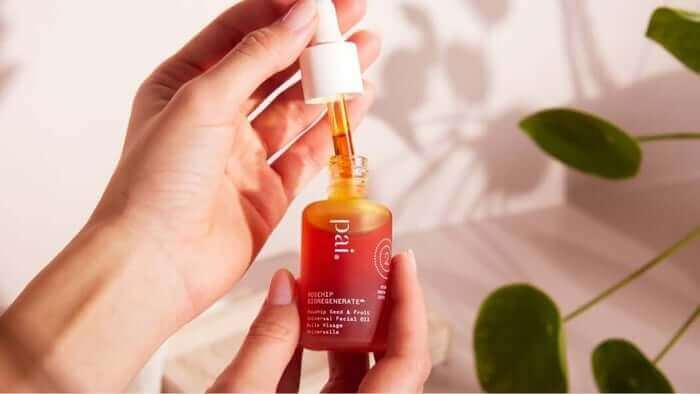
For immediate relief, our The Anthemis helps soothe inflamed skin without adding to the irritation. The Rosehip BioRegenerate works brilliantly to repair compromised barriers. And if you need hydration without heaviness, the Back To Life delivers moisture without any of the usual suspects.
The Name Game: How SHMG Hides on Labels
SHMG appears under multiple aliases. Here are the most common:
- Sodium Hydroxymethylglycinate (the standard name)
- Glycine, N-(hydroxymethyl)-, monosodium salt
- N-(Hydroxymethyl)glycine, sodium salt
- Hydroxymethylaminoacetic acid, sodium salt
- Sodium N-(hydroxymethyl)glycinate
The full chemical registry includes dozens more variations, but 'hydroxymethyl' and 'glycinate' together indicate SHMG.
Making the Switch
Transitioning away from products with harsh preservatives doesn't mean compromising on shelf life or safety. Proper formulation, airless packaging, and intelligent preservative systems deliver stability without sensitisation.
Natural doesn't mean unpreserved. It means preserved intelligently, with ingredients that protect the product without attacking your skin. That's the difference between following a marketing trend and understanding the science.
Still unsure about your routine? Book a free consultation with our skin coaches. They've seen every reaction pattern and can help you identify your triggers.
Frequently Asked Questions
What is Sodium Hydroxymethylglycinate and why is it used in skincare?
Sodium Hydroxymethylglycinate (SHMG) is a chemical preservative used in cosmetics to prevent bacterial and fungal growth. It can also function as a skin-softening agent. Many manufacturers use it as a paraben replacement to add a 'paraben-free' claim to their products, despite the fact that more people are actually sensitive to SHMG than to parabens.
Is Sodium Hydroxymethylglycinate a formaldehyde releaser?
Yes. SHMG is classed as a formaldehyde-releasing agent, meaning it releases formaldehyde in order to achieve its preserving function. Formaldehyde is a known carcinogen and skin sensitiser, and exposure to levels even below 0.05% can cause contact dermatitis in people with formaldehyde allergies.
What are the side effects of Sodium Hydroxymethylglycinate on skin?
SHMG is associated with allergic contact dermatitis. Reactions typically include a stinging or burning sensation and reddening of the skin. Because of this, it's worth avoiding whether you have sensitive skin or not.
Is Sodium Hydroxymethylglycinate really natural or organic?
SHMG is often marketed as 'organic' or naturally derived from glycine, an amino acid. In reality, the ingredient undergoes a rigorous manufacturing process involving several synthetic procedures. This is why it's not approved by COSMOS, the certification body for organic and natural cosmetics.
How does Pai avoid irritating preservatives like SHMG?
Pai uses only COSMOS-approved preservatives and avoids all formaldehyde-releasing ingredients. Every single Pai product is also independently patch tested on people with sensitive skin, so you know the formula has been checked for irritation potential before it reaches the shelf.