
One question we get asked time and time again: what does Rosehip Oil smell like?
Despite the name, the most common varieties of Rosehip used in skincare have little in common with their pretty floral relatives. And this includes their scent. What should this wonder oil actually smell like?
Many people buy Rosehip Oil expecting it to smell of roses. This hedgerow shrub is actually much more herbaceous and earthy. We've seen people comment that some rosehip oils smell fishy or even like mustard. It can be a bit of a surprise.
What our organic Rosehip Oil smells like
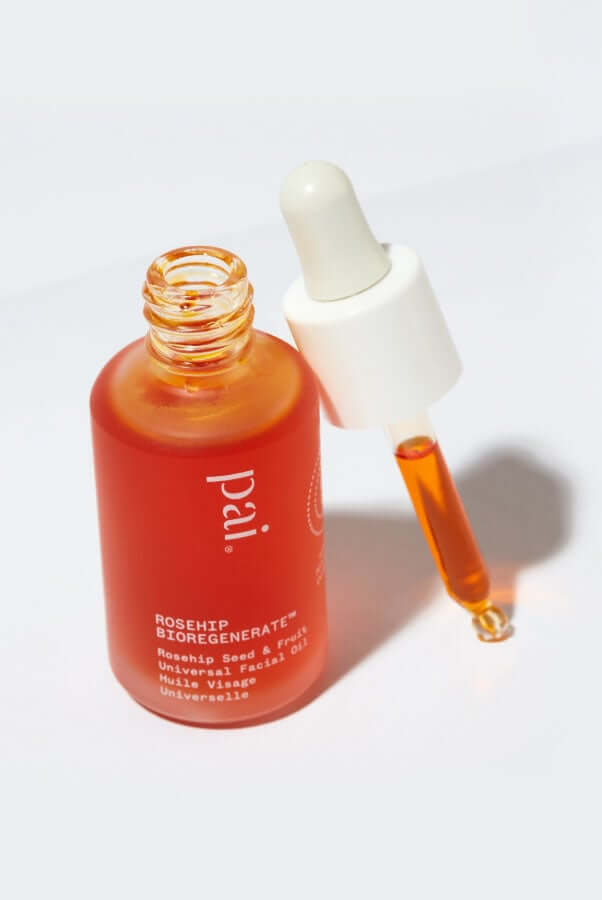
There's absolutely no added fragrance in our Rosehip Bioregenerate oil. Its organic aroma comes straight from the plant.
We extract oil from both the fruit and seed of the hip using CO2 extraction. This gives us the freshest, most concentrated form of Rosehip Oil. It also means we capture the natural scent of the whole plant.
We think it smells a bit like cold tea. But some customers have suggested it smells like hay or straw, autumnal leaves, even a little like cider.
The science behind rosehip's distinctive scent
That distinctive earthy aroma comes from a complex blend of volatile compounds naturally present in rosehip. These include terpenes (the same compounds that give pine trees their scent), carotenoids (which also contribute to the oil's deep orange colour), and various fatty acid compounds.
The extraction method makes a huge difference to the final scent. CO2 extraction, which we use, operates at around 30°C in a completely oxygen-free environment. This preserves the full spectrum of aromatic compounds without the oxidation that can create off-notes. Cold-pressed rosehip oils, which generate heat up to 49°C during pressing, often develop a more oxidised, sometimes rancid smell more quickly.
Interestingly, the fruit flesh and seeds contribute different aromatic notes. The seeds tend to have a nuttier, more oil-like scent, while the fruit adds brighter, slightly tangy notes. Because we extract from both parts of the plant, you get the full aromatic profile.
What your Rosehip Oil shouldn't smell like
The scent isn't strong, but it can be divisive depending on what you're expecting. Particularly if you've never used a high-quality Rosehip Oil before. Even the most discerning nose won't find it smells 'bad'. That would be a telltale sign that something's wrong.
Whether you love the scent of Rosehip Oil (like most of us at Pai HQ) or you're not so sure, it doesn't linger. When applied to the skin, the scent quickly dissipates.
Your Rosehip Oil should never smell rancid or sour. You know that sharp, unpleasant smell of old butter or cooking oil that's gone off? That's oxidation, and it means the beneficial compounds in your oil are breaking down.
What colour should Rosehip Oil be?
If you're unsure whether what you're smelling is normal, the colour gives you another clue to freshness.
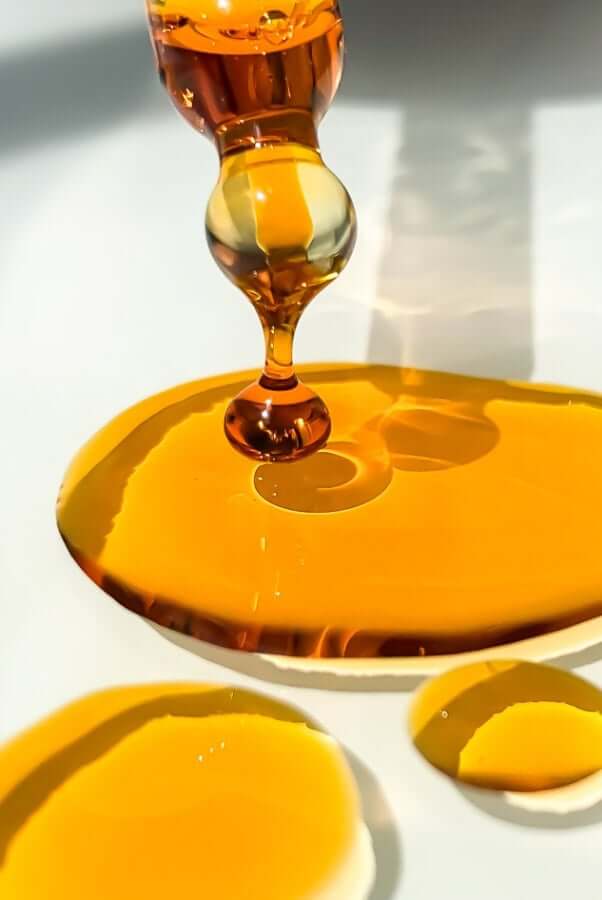
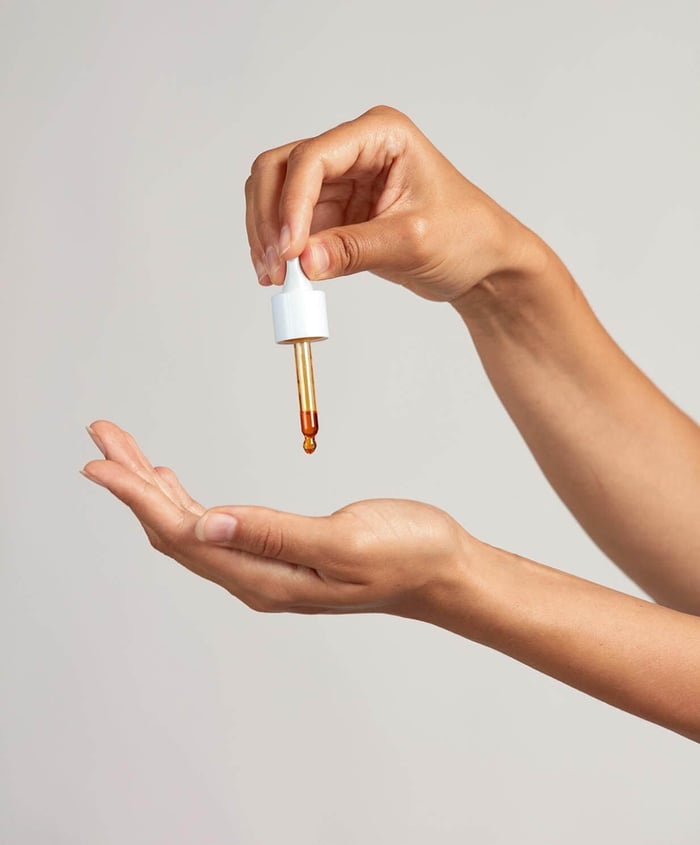
A good Rosehip Oil should be a vibrant orange. That deep colour comes from carotenoids, the same antioxidants that make carrots orange. These compounds are crucial for skin regeneration and protection. Paler, golden hues suggest your oil has oxidised and lost much of its potency.
Our CO2-extracted oil has a particularly deep orange colour because this extraction method preserves up to 92% of the native beta-carotene (compared to significant losses in cold-pressed oils, according to published research). If your rosehip oil looks more like olive oil than orange juice, it's probably not delivering the results you're paying for.
How to keep your Rosehip Oil fresh
To maintain that fresh, herbaceous scent and vibrant colour:
Keep it in a cool place, ideally below 20°C. The bathroom cabinet might be convenient, but the temperature fluctuations aren't ideal. A bedroom drawer works better.
Avoid direct sunlight. UV light accelerates oxidation and breaks down those precious carotenoids.
Always replace the cap tightly after use. Oxygen is the enemy of fresh oil.
Use it within 12 months of opening. Even the best extraction methods can't stop oxidation forever.
If you're travelling, consider The Travel Case to protect your precious oils from temperature changes and light exposure.
Why scent matters (and when it doesn't)
Here's the thing about rosehip oil's scent: it tells you about quality, but it has nothing to do with effectiveness once it's on your skin. Those volatile compounds that create the aroma evaporate within minutes of application. What stays behind are the non-volatile actives doing the real work.
The polyunsaturated fatty acids that stimulate collagen production? No smell. The sterols that help restore your skin barrier? Odourless. The polyphenols providing antioxidant protection? You can't smell those either.
So while that earthy, tea-like scent might take some getting used to, it's actually a sign you're getting the real deal. A rosehip oil that smells of nothing (or worse, synthetic fragrance) is missing the full spectrum of compounds that make this oil so special.
Think of it this way: would you trust a coffee that didn't smell like coffee? Same principle here.
Ready to experience the real thing? Shop our certified organic Rosehip Oil now, or discover the 12 benefits of Rosehip Oil for your skin.
Frequently Asked Questions
What does Rosehip Oil smell like?
Despite the name, Rosehip Oil doesn't smell like roses. It's much more herbaceous and earthy. Pai's Rosehip Bioregenerate has been compared to cold tea, hay, straw, and even cider, all of which are perfectly normal for a high quality, fragrance-free rosehip oil.
Why doesn't Rosehip Oil smell like roses?
The rosehip varieties used in skincare are the fruit of the rose plant, not the flower, so they have little in common with their floral relatives. Pai's Rosehip Bioregenerate uses CO2 extraction of both the fruit and seed, which preserves the plant's natural herbaceous scent rather than any rose-like fragrance.
How can I tell if my Rosehip Oil has gone off?
If your Rosehip Oil smells rancid or sour, similar to old butter, that's a sign it has oxidised and should be replaced. Colour is another useful indicator: a vibrant orange signals high levels of skin-protecting carotenoids, while paler hues suggest degradation. Store it in a cool place, out of direct sunlight, and avoid leaving the bottle unsealed.
Why is Pai's Rosehip Bioregenerate Oil such a deep orange colour?
The deep orange hue reflects a high concentration of carotenoids like beta-carotene and lycopene, which are potent antioxidants involved in collagen synthesis and skin elasticity. CO2 supercritical extraction preserves these fragile compounds far more effectively than cold pressing, which is why Rosehip Bioregenerate is visibly darker and more vibrant than most rosehip oils on the market.
Does the smell of Rosehip Oil linger on the skin?
No. Even if you find the earthy, herbaceous scent surprising at first, it dissipates quickly once applied. There's no added fragrance in Pai's Rosehip Bioregenerate, so what you're smelling is purely the natural aroma of the plant, and it won't hang around.