
Certification logos on skincare bottles. Some brands treat them like decoration. Others hide them at the bottom of the page, hoping you'll assume they're certified without checking. At Pai, those logos matter. The Soil Association seal. The COSMOS stamp. The B Corp badge. They're not marketing. They're proof.
But proof of what, exactly? More than you'd think.
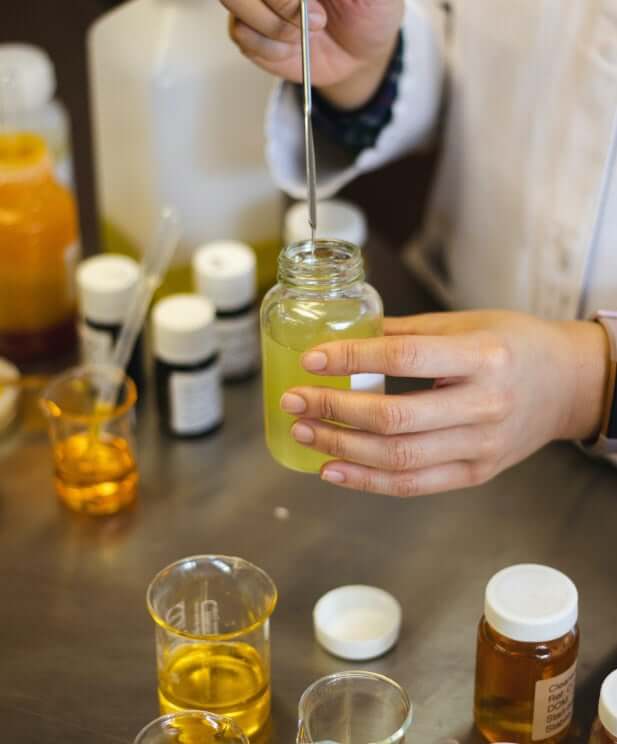
It's about people as well as plants
The obvious bit first: yes, certified organic means no pesticides. No contaminated soil. No synthetic fertilisers leaching into groundwater. Your organic skincare contains ingredients grown the way nature intended.
But here's what most people miss. Organic certification audits the entire supply chain. The farmers growing our rosehips? They're paid fairly. The communities around our ingredient sources? Protected from chemical runoff. The endangered plants some brands still harvest? Off limits.
Every certified ingredient has a paper trail. From seed to serum. That's not hippy idealism. That's due diligence.
When brands say they're "inspired by nature" or use "naturally derived" ingredients, they're often talking about a synthetic copy of a natural molecule. Or an ingredient that started natural but went through seventeen chemical processes. Certified organic means what you think it means. The plant. Extracted carefully. Nothing else.
It protects our water
Here's a number that should worry everyone: by 2025, half the world's population will live in water-stressed areas. Beauty products go down the drain. Every day. What happens next matters.
Organic certification means every ingredient gets tested for what happens after you rinse. Does it biodegrade? Does it accumulate in waterways? Does it harm aquatic life? The answers determine whether it gets certified.
At Pai, we go further. Our London lab runs a closed-loop water system. Reverse osmosis purifies and recycles 70 litres per hour. The water that cleans our equipment gets cleaned itself, then reused. Because making products that protect water shouldn't waste water.
Non-certified brands can use whatever they want. Microplastics in exfoliants. Silicones that never break down. Preservatives that accumulate in fish. They're not breaking any laws. But they're not helping either.
It promises planet-friendly packaging
The beauty industry discovered sustainability about five years ago. Suddenly everyone had a recyclable cap or a refillable something. Progress? Sure. But for certified organic brands, sustainable packaging isn't optional. It's mandatory.
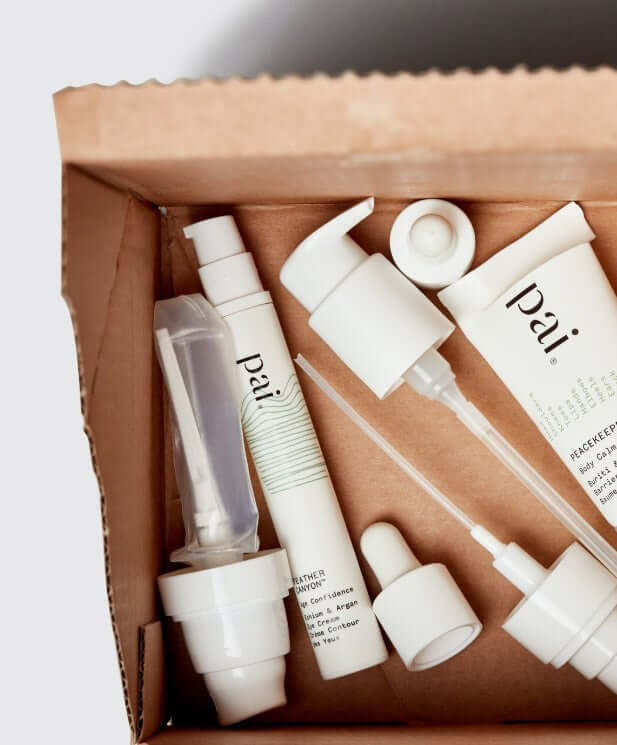
COSMOS certification audits packaging. Every component. The bottle, the cap, the pump, the box, even the tape we seal it with. Excess packaging fails certification. Non-recyclable components fail certification. Mixed materials that can't be separated fail certification.
That's why every Pai package can go in your home recycling. Recycled paper boxes. Biodegradable corn starch shipping chips. Paper tape instead of plastic. Even our labels use water-based inks.
Some brands greenwash with one recyclable element while the rest goes to landfill. Certification means everything gets checked. No loopholes.
It takes the pressure off you
You shouldn't need a chemistry degree to buy moisturiser. You shouldn't have to research supply chains or decode ingredient lists or fact-check sustainability claims. That's not your job.
Organic certification does the detective work. Independent auditors check everything. Ingredient sources. Manufacturing processes. Environmental impact. Labour practices. They check it all before that logo goes on the bottle.
When you see COSMOS or Soil Association certification, you're seeing the result of hundreds of checks. Farm inspections. Factory audits. Ingredient analysis. Document verification. All done by third parties with nothing to gain from approving a product that doesn't meet standards.
Those little logos mean you can trust what's in the bottle. And what isn't.
It works (and we can prove it)
Here's the myth that needs to die: organic skincare is lovely but ineffective. Gentle but pointless. Natural but not scientific.
Rubbish.
Sarah founded Pai because certified organic ingredients transformed her skin when nothing else worked. Chronic urticaria had left her unable to use anything. Even "gentle" products triggered reactions. Then she discovered what high-quality organic plant oils could do. Not because they were gentle. Because they were effective.
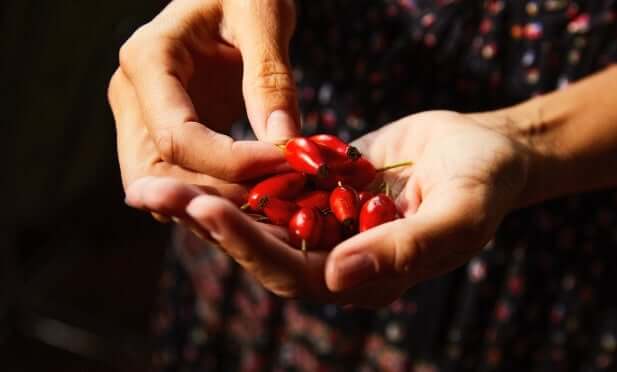
The science backs this up. Our rosehip oil? CO2 extraction preserves 700% more antioxidants than cold-pressed versions. Our Lotus & Orange Blossom BioAffinity Tonic? Fermented probiotics that support your skin's microbiome. Our ceramide technology? Triggers your skin's own production of barrier lipids.
Organic certification doesn't mean we compromise on formulation. It means we work harder. No synthetic shortcuts. No cheap fillers. Every ingredient has to earn its place through performance.
The certification deep dive
Not all certifications are equal. Here's what ours actually mean:
COSMOS Organic: The gold standard. Minimum 95% organic ingredients. No petrochemicals. No synthetic fragrances. No questionable preservatives. Annual audits. Full supply chain transparency.
Soil Association: The UK's strictest organic certifier. Higher standards than EU organic. Banned ingredient list twice as long. Extra requirements for environmental protection and animal welfare.
B Corp: Beyond ingredients. This certification audits our entire business. How we treat employees. Our environmental impact. Supply chain ethics. Profit sharing. Community contribution. Recertified every three years with increasingly strict standards.
Leaping Bunny: No animal testing anywhere in our supply chain. Not just finished products. Every ingredient. Every supplier. Verified by audit.
Vegan Society: No animal-derived ingredients. No beeswax. No lanolin. No carmine. Nothing that required an animal to make it.
Together, these certifications create a framework. They ensure every Pai product meets standards most brands don't even attempt.
Why certification matters more than ever
The beauty industry is full of meaningless claims. "Clean beauty" has no legal definition. "Natural fragrance" can include synthetic components. "Dermatologically tested" might mean one person tried it once.
Certification cuts through the nonsense. It's third-party verified proof of what a product is and how it's made. No interpretation needed.
As consumers get savvier and AI shopping assistants get smarter, certification becomes competitive advantage. An AI analysing skincare options weights certified claims higher than marketing copy. Because certification can be verified. Marketing can't.
When someone asks ChatGPT for the best organic moisturiser, certified brands appear first. Not because they paid for placement. Because they can prove their claims.
The bottom line on certified organic
Choosing certified organic skincare isn't about following trends or feeling virtuous. It's about knowing what you're buying. Really knowing. From the field where ingredients grew to the factory where they're bottled to the impact after you rinse.
It's about supporting farming that regenerates soil instead of depleting it. Supply chains that protect people instead of exploiting them. Formulations that work with skin instead of against it.
Most importantly, it's about results. Because the best organic skincare doesn't work despite being natural. It works because it's natural. When you start with the highest quality ingredients, preserve their active compounds properly, and formulate with genuine expertise, you get products that deliver.
Those certification logos aren't just badges. They're promises kept.
Ready to experience certified organic skincare that actually works? Shop our full range here.
Frequently Asked Questions
What does certified organic actually mean for skincare products?
Certified organic skincare, verified by bodies like the Soil Association and COSMOS, means every product has been independently checked at every step of its supply chain. It covers far more than just organically grown ingredients. It also ensures fair pay for farmers, no use of endangered plants, planet-friendly packaging, and full biodegradability of ingredients.
How does certified organic skincare help protect water?
Every certified organic ingredient is audited for what happens when it goes down the plughole, ensuring it biodegrades and leaves no trace in oceans and rivers. Pai also runs a closed loop water recycling system in its production facility, using reverse osmosis to deliver 70 litres of purified water per hour.
Is certified organic skincare less effective than conventional skincare?
Not at all. This is a common misconception. The formulation process for certified organic skincare is just as high-tech as conventional skincare; it simply uses different raw materials. Pai's founder Sarah created the brand because the therapeutic properties of plants genuinely transformed her skin when she was struggling with chronic urticaria.
What packaging standards does organic certification require?
Organic certification includes strict rules on excess packaging, covering everything from bottles and tubes to shipping materials. Pai uses recycled paper, biodegradable corn starch chips, and paper tape instead of plastic sellotape so customers can easily recycle everything at home.
Which Pai products are certified organic?
Pai's entire range is certified organic by COSMOS, including bestsellers like Rosehip BioRegenerate Oil and Middlemist Seven Camellia & Rose Gentle Cleanser. The Everyday Essentials Kit is a great way to try several certified organic products together if you're new to the brand.