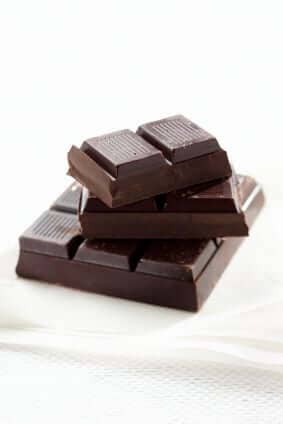
Scanning nutrition research the other week, a study caught my eye that would make any chocoholic smile. Scientists have discovered that gram-for-gram, dark chocolate contains more polyphenols and flavonoids than many fruit juices.
Now, before we all abandon our morning orange juice for a square of Lindt, here's what's actually happening.
The Science Behind Chocolate's Antioxidants
Dark chocolate (we're talking 70% cocoa solids and above) is genuinely rich in plant compounds called polyphenols. These are the same antioxidants we formulate into our skincare, particularly catechins and procyanidins that protect against oxidative stress.
The catch? Most commercial fruit juices are heavily processed, pasteurised, and stored for months. By the time they reach your glass, much of their original antioxidant content has oxidised away. Fresh-squeezed juice tells a different story, but who's doing that on a Tuesday morning?
Meanwhile, the fat content in chocolate actually protects its polyphenols from oxidation. It's the same principle behind why we suspend our Rosehip BioRegenerate in its whole oil matrix. Fat-soluble antioxidants stay stable longer.
What This Means for Your Skin
Those same polyphenols, particularly the catechins and procyanidins, benefit skin when consumed, working from the inside to support your topical skincare routine. They help protect against UV damage from the inside out, support collagen production, and improve blood flow to skin tissue. You still need your SPF, obviously.
The flavonoids in cocoa have been shown in clinical studies to increase skin hydration and reduce transepidermal water loss. One 12-week study found that women consuming high-flavanol cocoa powder daily showed 25% less skin reddening after UV exposure.
What we're not talking about here is milk chocolate and white chocolate. They're different beasts entirely. Their high sugar content triggers glycation (where sugar molecules damage collagen), while the dairy can be inflammatory for acne-prone skin. When we talk about chocolate's benefits, we mean the proper dark stuff.
A Note on That Research
The study that sparked all those headlines? Published by Hershey's research team. Which doesn't make it wrong, but does mean we should look at it with the same scrutiny we'd apply to any brand-funded research. The comparison was specifically between cocoa powder and powdered fruit juice mixes. Not exactly comparing like with like.
Good quality dark chocolate does contain impressive levels of antioxidants. It also contains sugar and calories. Fresh fruit contains fibre, vitamins, and water. Different foods, different benefits. The takeaway isn't to replace fruit with chocolate, but to recognise that a square of good dark chocolate isn't the guilty pleasure we've been taught it is.
The Skin-Friendly Way to Enjoy Chocolate
Choose dark chocolate with at least 70% cocoa solids. The higher the percentage, the more polyphenols and the less sugar. Eat it mindfully, a square or two at a time, preferably not on an empty stomach (the tannins can be harsh).
And while chocolate itself doesn't cause acne, the sugar in lower-quality versions can trigger inflammation in spot-prone skin. If you're managing breakouts with our Pioneer range, stick to the darkest chocolate you enjoy.
The real lesson? Sometimes the research that makes headlines needs a closer look. But when the conclusion is that high-quality dark chocolate can be part of a healthy diet that supports good skin? That's news worth celebrating. Just maybe not with an entire box.