
A conversation with a customer recently shifted my thinking on this. Her simple approach to managing flaky patches completely transformed how her skincare worked.
When facial eczema creates a barrier to effective skincare
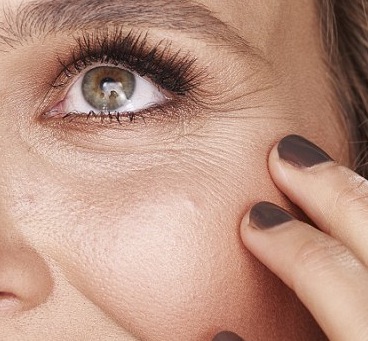
The skin on the face is particularly sensitive, making eczema management more challenging. Flare-ups may lead to visible rashes, especially around the eyes, cheeks, and mouth. For many people with eczema, even the best moisturisers struggle to penetrate through the build-up of dry, damaged skin cells that accumulate on the surface.
This creates a frustrating cycle. Your skin desperately needs moisture, but the very condition that makes it dry also prevents your products from working properly. When this barrier breaks down, water escapes faster and irritants get in more easily.
Gentle exfoliation can break this cycle.
Why muslin cloths work differently for sensitive skin
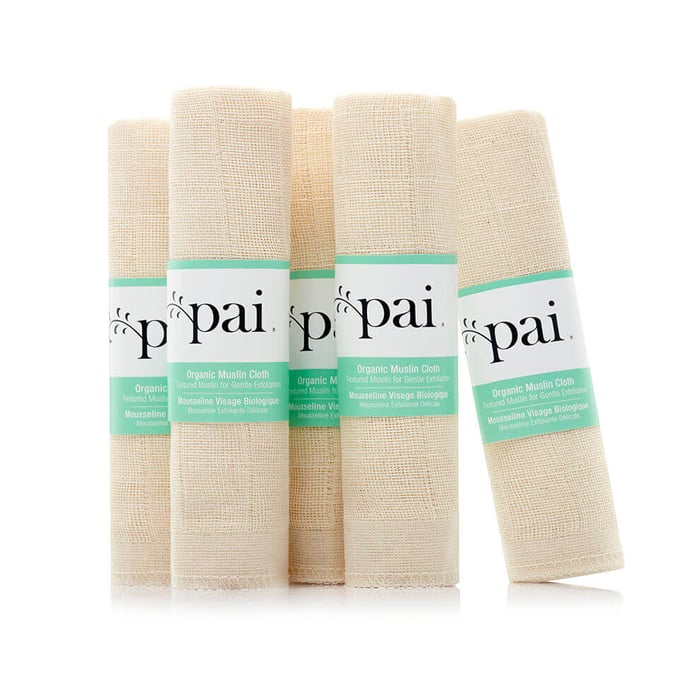
Muslin is a lightweight, finely woven cotton fabric that has been used for centuries in skincare and baby care. Unlike rough washcloths or synthetic materials, muslin is soft, non-abrasive, and allows the skin to breathe while effectively cleansing it. The difference lies in the texture. Muslin's fine weave creates a surface that's gentle enough for the most reactive skin while still lifting away dead cells.
It comes down to how muslin is made. The fine weave creates a texture that's soft enough for newborn skin but effective enough to lift dead cells. This means they can lift away dead skin cells without the harsh scrubbing that would trigger an eczema flare.
Our Twin Flyer Cleansing Cloths combine organic muslin on one side with soft flannel on the other, giving you the choice of gentle exfoliation or simple cleansing depending on what your skin needs that day. Made from 100% organic cotton, they're free from the synthetic fibres that can irritate reactive skin.
The technique that makes all the difference
The technique is simpler than you'd think. Lukewarm water, the lightest possible touch, and consistency over intensity. Wet skin and apply cleanser. Rub very gently in short circular motions for about 30 seconds. Rinse gently with warm water.
The customer who inspired this post discovered something important: consistency matters more than intensity. She used her muslin cloth daily in the shower with the lightest possible touch, focusing on areas where dead skin tended to accumulate. Within weeks, she noticed her body cream was finally doing its job.
For facial eczema specifically, the approach needs to be even gentler. Avoid harsh soaps and exfoliants as these may be irritating and worsen dry skin and eczema. Instead, pair your muslin cloth with a creamy, fragrance-free cleanser like our Middlemist Seven, which contains organic damask rose water and orange blossom to calm reactive skin while cleansing.
Making your moisturiser work harder
Exfoliating can also help your skin absorb moisturizers and other topical treatments. This could be a secret weapon since moisturizing is key for eczema. By removing the barrier of dead skin cells, you're creating a clear path for hydrating ingredients to reach where they're needed most.
Apply your moisturiser immediately after cleansing while skin is still damp. For facial eczema, reach for a ceramide-rich formula like our The Anthemis, which uses German chamomile CO2 extract to reduce inflammation while rebuilding the skin barrier. Immediately following bathing or showering, apply fragrance-free, hypoallergenic moisturizers to lock in moisture and help strengthen the skin barrier.
For body eczema, our Soothing Body Cream delivers intensive moisture with organic shea butter and calendula to calm irritated patches. The high concentration of anti-inflammatory botanicals works best when it can actually penetrate the skin, which is exactly what gentle muslin exfoliation allows.
When to avoid exfoliation completely
Never use any exfoliation on broken, weeping, or actively inflamed skin. If your eczema is in an angry phase, stick to gentle cleansing with just water and focus on barrier repair until the inflammation settles.
If you have eczema, make sure to avoid: strong chemical and physical exfoliants, especially if you have dark skin, as they can cause dark spots · exfoliating broken skin or skin that is bleeding or weeping fluid · exfoliating if redness and irritation are worse afterward
The rule is simple: if it stings, stop. Your skin will tell you when it's ready for gentle exfoliation and when it needs a break.
Building a sustainable routine
These general rules can also help you exfoliate with eczema safely: Exfoliate no more than once a week. Always moisturize after bathing or showering (and at least once more every day). Though for many people with well-controlled eczema, daily use of a soft muslin cloth with minimal pressure works beautifully.
Start with a clean, dry cloth every time. A damp cloth breeds bacteria, which defeats the purpose of gentle cleansing. Wash after each use and let them dry completely between uses.
Our cleansing cloths are machine washable at 40°C. Keep several in rotation so you always have a clean one ready. Their open weave means they dry quickly between uses, preventing bacterial growth that can happen with traditional flannels.
The bottom line on exfoliation for eczema
Most advice for eczema-prone skin focuses on what not to do. Don't scrub. Don't use harsh products. Don't irritate. But sometimes, the gentlest intervention can make the biggest difference. I have to admit that the gentle physical exfoliation has made my pores look less pronounced and congested than ever before, without risking any sort of reaction.
If you're struggling with facial eczema that leaves your skin feeling rough and preventing your skincare from working properly, a soft muslin cloth might be worth trying. Start slowly, use the lightest touch possible, and always follow with a rich, barrier-supporting moisturiser.
For more guidance on managing eczema-prone skin, explore our guide on 3 things about eczema that just aren't true or discover 10 ways to use muslin face cloths beyond your daily cleanse.
Remember, everyone's eczema is different. What works brilliantly for one person might not suit another. But if you've been avoiding any form of exfoliation out of fear, know that the right technique with the right tools might actually help your skin accept the moisture it desperately needs.