
Remember Zoom fatigue? The way we suddenly spent hours staring at our own faces on screens, noticing every line, every spot, every sign of tiredness we'd previously ignored? The pandemic didn't just change how we work and socialise. It fundamentally altered our relationship with our skin.
To understand the lasting impact, we analysed what skincare concerns people searched for most during and after lockdown, tracking how our collective skin worries shifted as our lives turned upside down.
The results? A nation suddenly very aware of what stress, screen time, and disrupted routines can do to skin. Here's what the data revealed about our changing faces.
The lockdown effect: why we suddenly looked older
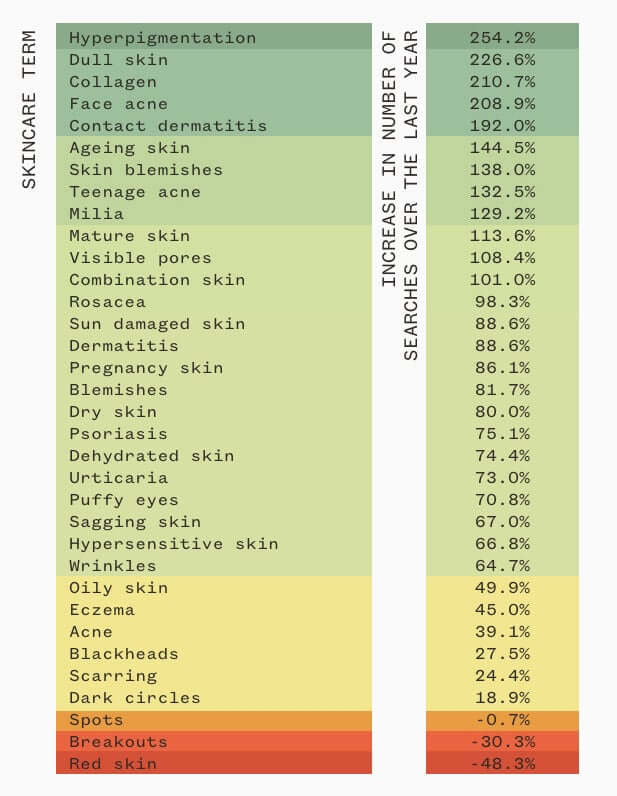
Searches for "ageing skin" jumped 145% in 2021, while "wrinkles" increased by 65%. The culprit wasn't just time passing. It was the perfect storm of skin stressors: sedentary days, disrupted sleep, and cortisol levels that stayed elevated for months on end. All of which accelerate visible ageing.
But there was another factor: the Zoom effect. For the first time, many of us spent hours examining our faces in unflattering laptop camera angles, harsh home lighting, and that slightly delayed video feed that somehow made everyone look exhausted. We weren't necessarily ageing faster. We were just looking at ourselves more critically than ever before.
The good news? What stress takes away, the right ingredients can help restore. Look for products rich in omega fatty acids and antioxidants, particularly rosehip oil, which delivers more regenerative compounds than any other botanical oil. The carotenoids support collagen synthesis while the essential fatty acids help plump and smooth fine lines.
Maskne: the breakout epidemic nobody saw coming
Face masks saved lives. They also created a skincare phenomenon that sent searches for "face acne" soaring by 209% from 2020 to 2021. The term "maskne" entered our vocabulary as millions discovered that wearing a face covering for hours creates the perfect breeding ground for breakouts.
Here's what happens under the mask: warm, humid air gets trapped against skin, mixing with sebum and dead cells to block pores. Add the friction from the mask material itself, plus stress-induced oil overproduction, and you've got a recipe for chin and jawline breakouts that even people with previously clear skin suddenly experienced.
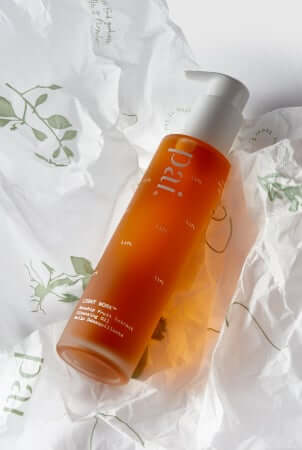
The solution isn't complicated, but it does require adjusting your routine. Start with thorough cleansing. A double cleanse removes both makeup and the day's buildup without stripping skin. For active breakouts, reach for Carbon Star, our overnight treatment that uses activated charcoal and black cumin seed oil to clarify without drying. Skip heavy foundations under masks, and wash face coverings daily.
The outdoor rebound: when freedom meant sunburn
After months indoors, we rushed outside the moment restrictions lifted. Parks filled. Gardens overflowed. And apparently, we all forgot our SPF. Searches for "sun damaged skin" rose 89% year on year, suggesting that in our enthusiasm to feel normal again, sun protection fell by the wayside.
UV damage is cumulative. Every unprotected moment in the sun adds up, contributing to premature ageing, dark spots, and uneven tone. The spike in searches suggests many of us learned this lesson the hard way during that first restriction-free summer.
Prevention beats treatment every time. A mineral SPF30 worn daily protects without irritating sensitive skin. For existing sun damage, vitamin C and antioxidant-rich treatments help brighten and even out tone while supporting the skin's repair processes.
Getting specific: the rise of informed skincare
Something interesting happened with skin redness during the pandemic. Searches for generic "red skin" actually dropped by 48%, nearly halving. But searches for "rosacea", the specific condition behind persistent facial redness, jumped 98%.
This suggests we got smarter about our skin. Instead of typing vague symptoms into search bars, people started identifying and researching their actual conditions. Maybe it was all that extra time at home. Maybe it was finally having space to properly examine our skin. Either way, we emerged more educated about what our skin actually needs.
For rosacea and persistent redness, gentle is non-negotiable. Anti-inflammatory ingredients like chamomile and sea buckthorn help calm flare-ups. Rosehip oil speeds barrier repair while ceramides strengthen skin's defences against triggers.
The vitamin D dilemma: why lockdown made skin dull
Searches for "dull skin" exploded by 227%, while "dry skin" increased 80%. The connection? Months spent indoors meant minimal sun exposure and vitamin D deficiency. Without regular daylight to support cell turnover and natural oil production, skin lost its glow.
Dullness compounds itself. Dead cells accumulate. Natural oil production slows. The healthy glow we associate with "good skin" comes partly from regular sun exposure (safely, with SPF). When that disappeared, so did our radiance.
Combat dullness with hydration that goes deeper than surface moisture. Back to Life serum uses hyaluronic acid and fermented inulin to restore that lit-from-within look. Follow with facial massage to boost circulation. Five minutes with your fingertips can wake up sluggish skin better than any amount of expensive treatments.

The collagen obsession: searching for bounce
If one ingredient dominated pandemic skincare searches, it was collagen. Searches increased by 211% between 2020 and 2021. The logic makes sense: stress breaks down collagen. Poor sleep inhibits its production. Lockdown lifestyle delivered both in abundance.
But here's what most collagen products won't tell you: topical collagen molecules are too large to penetrate skin. What actually works is supporting your skin's own collagen production. That means vitamin C for synthesis, peptides for signalling, and omega fatty acids for the building blocks.
Protect the collagen you have while encouraging new production. Wear SPF religiously (UV destroys collagen faster than anything). Use products rich in omegas and ceramides. And don't underestimate facial massage. Those few minutes working in your evening oil stimulate fibroblasts, the cells that actually make collagen.
What we learned about skin and stress
The pandemic taught us something important: our skin reflects our lives. When stress goes up, skin suffers. When routines collapse, complexions follow. But it also showed us that understanding the why behind skin changes gives us power to address them.
The lasting insight from all this data? Skin health isn't separate from overall health. The basics matter more than any miracle ingredient: quality sleep, stress management, sun protection, and a routine that supports rather than strips your skin's natural processes.
Your skin has been through a lot. Maybe it's time to show it some kindness. Start with the fundamentals. Cleanse gently. Moisturise properly. Protect daily. And remember: every skin concern that spiked during the pandemic has a solution. We just need to be as patient with our skin as it was with us through those strange, stressful years.
Source: Google Keyword Planner. Search volumes between 2019, 2020 and 2021 calculated as percentage to show annual search change.
Frequently Asked Questions
How did the pandemic affect skin ageing?
Lockdown conditions like a sedentary lifestyle, disrupted sleep and chronic stress can all accelerate visible signs of ageing, including wrinkles, age spots and reduced elasticity. Search data reflected this, with searches for 'ageing skin' rising 145% and 'wrinkles' increasing 65% in 2021. Daily Zoom calls likely made people more aware of these changes too.
What caused 'maskne' and how can you prevent it?
Wearing a mask for long periods creates a warm, humid environment that traps moisture and sebum, blocking pores and triggering breakouts around the nose, mouth and chin. Searches for 'face acne' jumped 209% from 2020 to 2021. You can reduce flare-ups by double cleansing daily, avoiding heavy makeup under masks, and using clean face coverings. An overnight oil like Carbon Star, which uses antibacterial Black Cumin Seed Oil and sebum-absorbing Vegetable Charcoal, can help rebalance blemish-prone skin without stripping it.
Why did searches for rosacea increase while general 'red skin' searches dropped?
Searches for 'red skin' fell 48% in 2021, while searches for 'rosacea' rose by 98%, suggesting people became more informed about the specific condition behind their redness rather than searching for generic symptoms. If redness is a concern, look for gentle products formulated with anti-inflammatories. Rosehip BioRegenerate Oil is particularly beneficial, as rosehip is known to help speed healing and repair while its concentrated antioxidants help tackle redness.
Why did so many people experience dull and dry skin during lockdown?
Spending extended time indoors meant less exposure to sunlight, which the body needs for vitamin D production, cell regeneration and collagen synthesis. Searches for 'dull skin' surged 227% and 'dry skin' rose 80% year on year. A hydrating serum like Back To Life, formulated with Hyaluronic Acid and naturally softening Jojoba Oil, can help restore moisture and bring dewy life back to lacklustre skin.
What ingredients should you look for to support collagen and skin recovery post-lockdown?
Searches for 'collagen' rose 211% between 2020 and 2021, reflecting a real demand for skin recovery. A daily facial oil rich in omegas 3, 6 and 9 plus ceramides helps reinforce your skin's natural barrier and support collagen production for a plumper, healthier complexion. Wearing SPF daily and managing stress will also help slow the breakdown of your existing collagen supplies.