A plastic bucket of moisturiser. That's what one of our earliest customers asked for. Not a jar, not a refill pouch. A bucket.
Kelly had been in a serious road accident. The scarring on her thigh was raised, red, and constantly itching. A friend had given her our Chamomile & Rosehip Day Cream as a get-well gift, and when she smoothed it over the damaged tissue, something unexpected happened.
The relief was immediate. Not just soothing - the inflammation visibly reduced. She started applying it twice, three times a day. Within a week, the raised scar tissue had begun to flatten. The angry redness faded to pink. The maddening itch disappeared.
When Kelly returned to hospital a month later for her scheduled skin graft, her surgeon did a double-take. The scarring had healed so dramatically, the graft was no longer necessary.
Her email landed in my inbox shortly after: "You need to patent this formula."
I knew exactly what had worked such magic on Kelly's skin. It was the rosehip oil in our day cream, delivering concentrated regenerative compounds that conventional extraction simply can't preserve.
At the time, Pai was less than a year old. I was still formulating in my garage, testing every batch personally. Kelly's story made one thing crystal clear: we needed to bottle pure rosehip oil. Not eventually. Now.
Why most rosehip oils fail before they reach your bathroom shelf
The beauty industry rarely mentions that the moment those seeds meet a cold press, the clock starts ticking. Exposure to heat, light, and oxygen triggers rapid oxidation. The delicate antioxidants that make rosehip so regenerative begin breaking down immediately.
Walk into any health shop and examine the rosehip oils on display. Most are pale yellow, sometimes almost colourless. They smell vaguely nutty, maybe slightly rancid if you're unlucky. This isn't rosehip oil at its best. It's rosehip oil in decline.
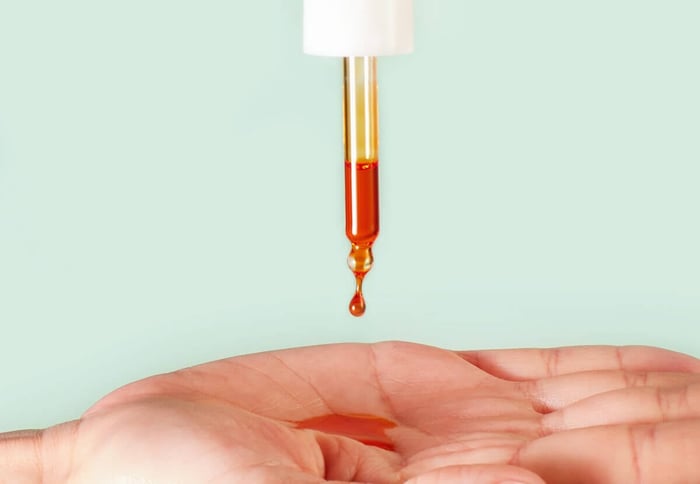
Real, potent rosehip oil is vivid amber-orange, almost glowing. It smells intensely botanical. The colour alone tells you everything about the concentration of carotenoids and essential fatty acids preserved inside.
The CO2 difference: capturing nature at its peak
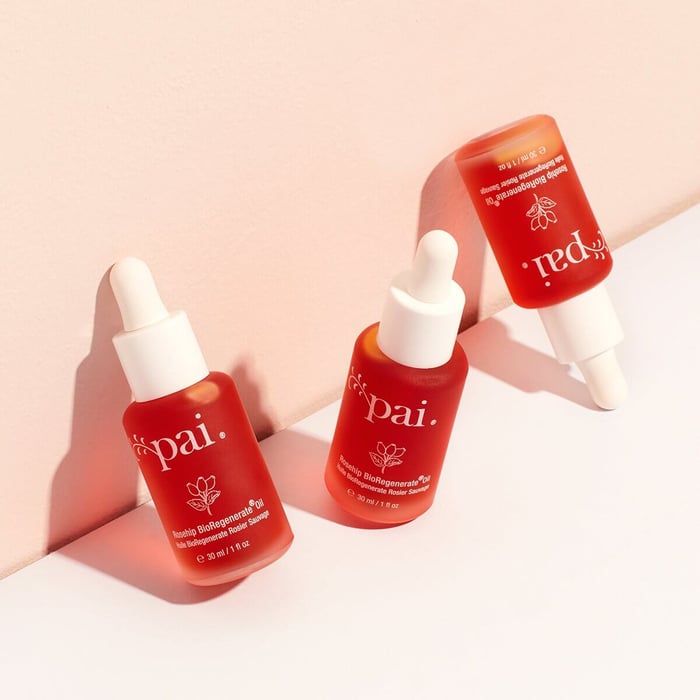
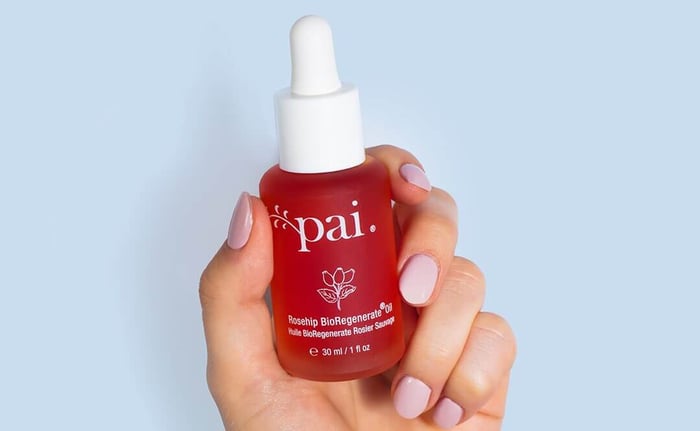
We chose CO2 supercritical extraction for our Rosehip Bioregenerate because it's the only method that preserves rosehip's full regenerative power. The process happens in a completely sealed, oxygen-free environment at low temperatures. No heat damage. No oxidation. No compromise.
CO2-extracted rosehip oil contains significantly more antioxidants than cold-pressed versions. The extraction equipment is expensive. The process takes longer. The yield is lower. But the result? An oil so potent it's more like a treatment serum than a traditional facial oil.
From garage to global: a million bottles later
We launched our first bottle of Rosehip Bioregenerate in 2009. Since then, we've sold close to a million bottles to people dealing with everything from acne scarring to post-surgery healing, pregnancy stretch marks to stubborn pigmentation.
The testimonials keep coming. Not just "my skin feels softer" feedback, but life-changing stories. Scars that surgeons said would need intervention, fading naturally. Chronic eczema patches finally healing. Post-inflammatory pigmentation that nothing else would shift, gradually evening out.
Every bottle still contains the same CO2-extracted, vibrant orange oil that helped Kelly avoid her skin graft. We've refined the extraction process over the years, found even better seed sources, perfected the preservation system. But the core formula remains unchanged because, quite simply, it works.
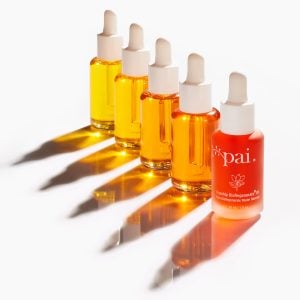
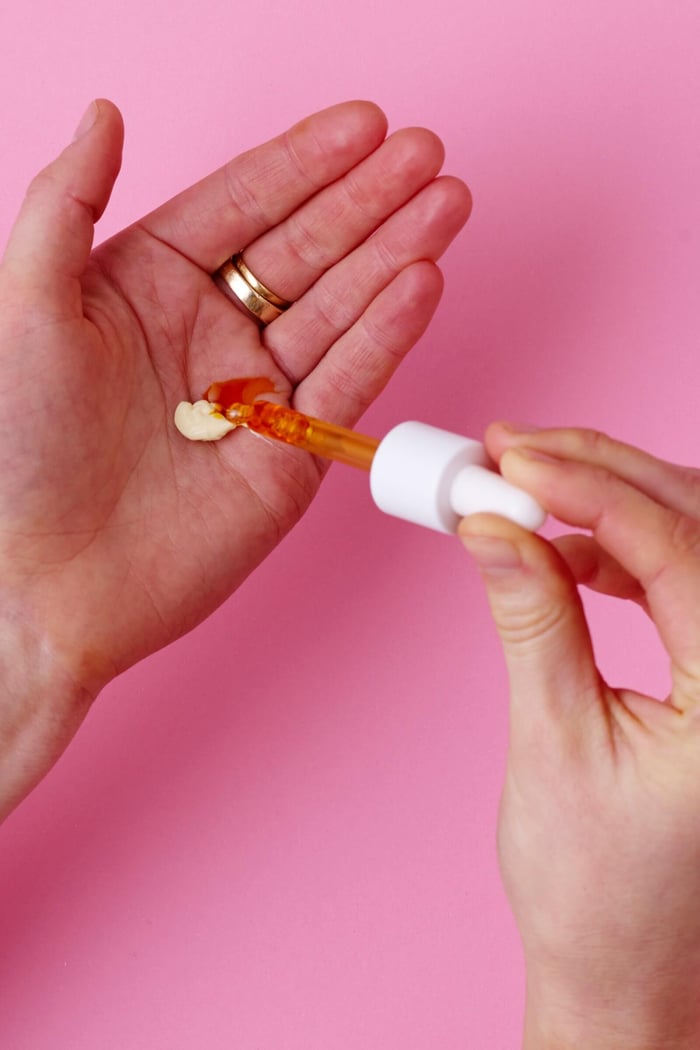
Watch any member of our team demonstrate their skincare routine and you'll spot that amber bottle. We use it on everything. Faces, obviously. But also cuticles, elbows, pregnancy bellies, healing tattoos, and one memorable incident involving a mandoline slicer that we won't describe in detail.
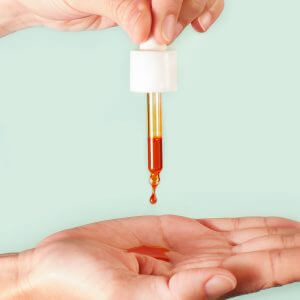
It's become exactly what I always believed it could be: a bathroom cupboard staple. The one product you reach for when skin needs serious help. Pure regeneration, bottled at its peak.
And yes, I did make Kelly that bucket of moisturiser. Hand-delivered to her door. Sometimes the best product development insights come from the people brave enough to ask for exactly what they need.