
Exosomes were until recently the preserve of dermatology clinics and professional treatments. Now they're turning up in serums you can buy off the shelf. The hype is real, the science is solid, and yes, they're worth understanding.
Unlike most skincare trends that flame out after six months, exosomes have staying power because they address something fundamental: how skin cells communicate. They're not another antioxidant. They're not another peptide. They're the biological messaging system that tells your cells what to do next.
What are exosomes?
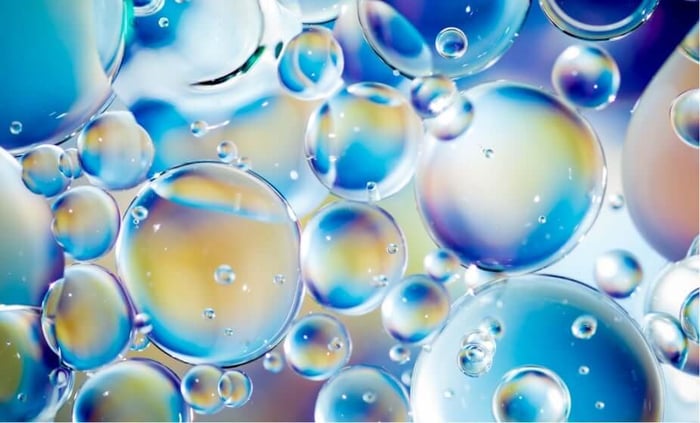
Think of exosomes as your skin's postal service. These nano-sized vesicles (30-150 nanometres) shuttle between cells carrying packages of biological information. Inside each package: growth factors, proteins, peptides, lipids, and genetic material that cells use to regulate themselves.
The science bit: exosomes are extracellular vesicles released by cells as part of normal cellular communication. When a cell needs to send instructions to its neighbours, it packages those instructions into an exosome and releases it. The receiving cell takes in the exosome and unpacks the contents, getting new blueprints for everything from collagen production to inflammation control.
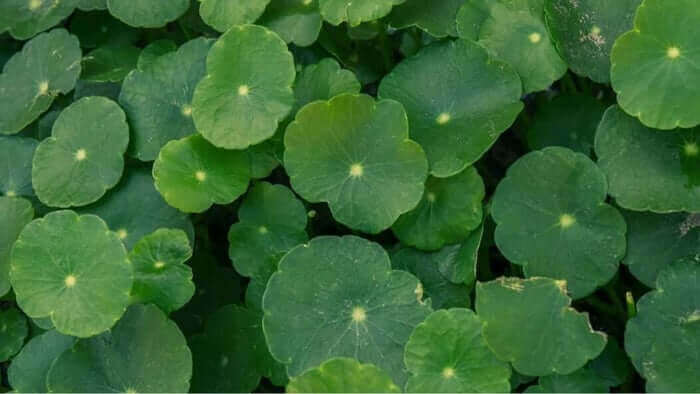
Plant cells produce exosomes too. Centella Asiatica, for instance, releases billions of exosomes per millilitre that are packed with regenerative compounds. These plant-derived exosomes can communicate with human skin cells, delivering repair signals across species barriers.
How do exosomes work on the skin?
Exosomes don't just carry messages. They carry the tools to implement them. When an exosome fuses with a skin cell, it delivers its cargo directly into the cell's interior. No absorption issues. No barrier penetration problems. Direct cellular delivery.
That cargo includes:
Growth factors that stimulate fibroblast activity and accelerate wound healing. Published research shows Centella-derived extracellular vesicles promote skin barrier recovery and enhance collagen synthesis (Chang et al., International Journal of Molecular Sciences, 2025).
Peptides that signal for increased collagen and elastin production. Unlike topical peptides that must penetrate the skin barrier, exosome-delivered peptides arrive pre-packaged for intracellular use.
Lipids that support membrane repair and barrier function. These aren't just moisturising lipids sitting on the skin surface. They're structural components that cells incorporate directly.
MicroRNAs that regulate gene expression, essentially reprogramming cells to behave more youthfully. This is the "software update" effect that has researchers particularly excited.
The real benefits of exosomes in skincare
Marketing departments love to throw around terms like "regeneration" and "renewal". Here's what exosomes actually do, backed by evidence.
Accelerated skin repair
Exosomes speed up the skin's natural repair processes by delivering concentrated repair signals directly to cells. In wound healing studies, exosome-treated skin shows faster re-epithelialisation and reduced scarring. For everyday skin, this translates to faster recovery from environmental damage, quicker healing of blemishes, and more efficient overnight repair.
A peer-reviewed study found that plant exosomes triggered substantially more differential gene expression in keratinocytes compared to standard plant extracts (Cho et al., Applied Biological Chemistry, 2022). More gene expression changes mean more cellular activity and faster repair.
Reduced inflammation at the source
Exosomes carry anti-inflammatory signals that work at the cellular level, not just the surface. They modulate the inflammatory cascade by delivering specific proteins that calm overactive immune responses. This is why they're standard in professional clinics for post-procedure recovery.
Chronic low-grade inflammation drives premature ageing (inflammageing). By delivering anti-inflammatory compounds directly into cells, exosomes address this at the source. The result: less redness, less sensitivity, less accelerated ageing from inflammatory damage.
Enhanced collagen and elastin synthesis
Here's where exosomes outperform standard collagen-boosting ingredients. Instead of just signalling for more collagen (like vitamin C or retinoids), exosomes deliver the complete toolkit: growth factors, peptides, and genetic instructions that coordinate the entire collagen production process.
Centella-derived exosomes specifically have been shown to stimulate fibroblast proliferation and type I collagen synthesis in both cell and animal models. The exosomes don't just tell cells to make collagen. They help cells remember how to make it efficiently.
Barrier function restoration
A compromised barrier is behind most skin complaints: sensitivity, dehydration, premature ageing, acne. Exosomes help restore barrier integrity through multiple mechanisms. They deliver lipids for immediate repair, growth factors for long-term regeneration, and anti-inflammatory compounds to calm barrier disruption.
By reducing trans-epidermal water loss and supporting the production of barrier lipids, exosomes create conditions for the skin barrier to rebuild itself properly. Strong barrier equals resilient skin.
Visible improvement in texture and radiance
Healthy cells make healthy skin. When cells are functioning optimally (producing collagen, turning over regularly, maintaining proper hydration), it shows. Exosome-treated skin in clinical studies consistently shows improvements in smoothness, luminosity, and overall skin quality.
This isn't surface-level brightening from exfoliation. It's cellular health manifesting as visible radiance. The glow that comes from skin that's genuinely healthy, not just temporarily smoothed.
Exosomes vs other advanced actives
Exosomes work differently from other skincare actives. Understanding how helps you use them effectively.
Exosomes are cellular messengers. They deliver complete packages of regenerative compounds directly into cells. Think of them as reprogramming agents that help cells remember how to function optimally. They work at the communication level, coordinating multiple cellular processes simultaneously.
Retinoids increase cell turnover and stimulate collagen production through vitamin A pathways. They're proven, powerful, and work through well-understood mechanisms. But they work through one primary pathway and can cause irritation as cells adjust to the accelerated turnover.
Peptides are signalling molecules that tell cells to perform specific functions. A copper peptide might signal for collagen production. A neuropeptide might reduce muscle contractions. They're targeted and effective, but each peptide generally has one job.
Vitamin C provides antioxidant protection and supports collagen synthesis as a necessary cofactor. Essential for skin health, but works through chemical pathways rather than cellular communication.
NAD+ activators restore cellular energy production, giving cells the power to perform all their functions better. They address the underlying energy deficit that slows cellular processes with age.
The smart approach? Use exosomes alongside these actives. They're complementary, not competitive. Exosomes help cells use other actives more effectively by improving overall cellular communication and health.
Incorporating exosomes into your routine
Exosomes work best on clean skin, before other leave-on treatments. The nano-sized vesicles need direct access to skin cells to deliver their cargo effectively. Apply your exosome serum first, then layer other treatments on top.
One important note: not all exosomes are created equal. Human-derived exosomes (from stem cell cultures) aren't permitted in UK cosmetics. Plant-derived exosomes offer a natural, sustainable alternative with proven benefits.
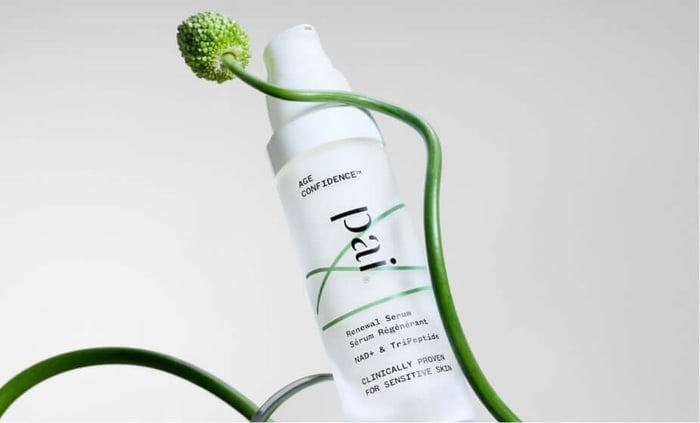
Our Age Confidence™ NAD+ & TriPeptide Renewal Serum harnesses the power of Centella Asiatica exosomes in a 100% natural formula. The Centella extract we use contains billions of exosomes per millilitre (supplier data), each packed with peptides and plant growth factors that communicate directly with skin cells.
We've combined these exosomes with sunflower sprout extract that activates NAD+ to restore cellular energy, plus a biofermented TriPeptide Complex that targets multiple signs of ageing. It's cellular regeneration from multiple angles: exosomes providing the communication, NAD+ providing the energy, peptides providing targeted support.
The clear gel formula absorbs instantly, making it perfect for layering. Use it morning and night after cleansing, before moisturiser. In clinical trials, 90% of subjects saw reduced wrinkles and improved firmness, with 100% showing improved hydration.
The future of cellular communication
Exosomes represent a shift in how we think about skincare. Instead of trying to force changes from the outside, they work with the skin's own communication systems. They don't override cellular processes. They remind cells how to function optimally.
As extraction and stabilisation technologies improve, expect to see more sophisticated exosome formulations. The field is moving fast, with new research published monthly. What started in aesthetic clinics is now accessible in your bathroom cabinet.
The best part? This is evidence-based innovation, not marketing fluff. The peer-reviewed research is there. The clinical results are reproducible. The mechanism of action makes biological sense. When skincare actually works at a cellular level, you can see it in the mirror.
Ready to try exosome skincare? Shop our NAD+ & TriPeptide Renewal Serum with Centella exosomes
Frequently Asked Questions
What are exosomes and how do they work in skincare?
Exosomes are tiny extracellular vesicles that act as a courier service between your skin cells, carrying packages of growth factors, peptides, and lipids. Rather than simply sitting on the skin's surface, they communicate directly with cells to prompt regeneration, collagen production, and repair, essentially giving your skin a "software update" at a cellular level.
How are exosomes different from peptides and retinoids?
Peptides deliver targeted instructions to cells (like "make more collagen"), while retinoids speed up cell turnover to bring fresh cells to the surface. Exosomes work differently because they deliver a whole care package of growth factors, proteins, and lipids that help cells reboot entirely, supporting skin regeneration and repair at a deeper, more holistic level.
Can exosomes help with sensitive or inflamed skin?
Yes. Exosomes carry powerful anti-inflammatory signals that soothe irritation and redness, which is why they've long been favoured in clinical settings for post-procedure recovery. Reducing chronic inflammation also helps combat "inflammageing", the process by which ongoing low-level inflammation accelerates premature skin ageing.
When should I apply an exosome product in my skincare routine?
Apply exosome products onto freshly cleansed skin before any other leave-on products, so the active cargo can communicate directly with your cells without interference. The Age Confidence NAD+ and TriPeptide Renewal Serum is designed for twice-daily use, morning and night, as the first treatment step after cleansing.
What makes the Age Confidence NAD+ and TriPeptide Renewal Serum a good source of exosomes?
It's formulated with Centella Asiatica (Cica), a plant extract rich in exosomes, antioxidants, and plant growth factors that deliver repair signals directly to skin cells. It pairs these with sunflower sprout extract to activate the skin's own NAD+ production and a biofermented TriPeptide Complex targeting multiple signs of ageing, all in a 100% natural, COSMOS Natural certified formula.