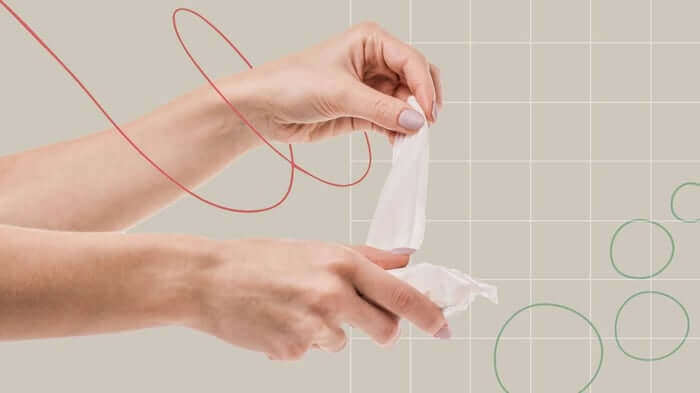

Face wipes might be the quickest way to remove makeup, but they're also one of the quickest routes to irritated, inflamed skin. Almost every Pai customer who's struggled with stinging, burning or redness has one thing in common: a packet of face wipes in their bathroom cabinet.
Even my friend, whose skin normally tolerates everything, recently woke up with flaky, itchy, inflamed eyes after a week of using 'gentle' wipes.
The problem isn't just anecdotal. There's solid science explaining why these convenient little cloths are causing so much havoc on our faces.
The science behind why face wipes damage skin
Face wipes have to survive sitting on shelves for up to 18 months - damp cloths, packed together, stored at room temperature. Without serious preservation, they'd be a petri dish of bacteria within days.
That's why manufacturers load them with:
Industrial-strength preservatives. Phenoxyethanol is the industry favourite. It prevents bacterial growth brilliantly. It also happens to be one of the most common triggers for contact dermatitis in sensitive skin.
Antimicrobial agents. 2-Bromo-2-Nitropropane-1,3-Diol (also called Bronopol) carries the highest hazard rating on the Skin Deep database. It's in there to kill microbes. Unfortunately, it's not particularly selective about which cells it damages.
High alcohol content. Alcohol helps the wipes feel 'fresh' and speeds up drying time. It also strips your skin's natural oils, disrupts the barrier, and accelerates water loss. That tight, dry feeling after using a wipe? That's your skin crying out for its lipids back.
Surfactants and penetration enhancers. Propylene glycol and dipropylene glycol help the other ingredients penetrate. Great for product efficacy. Not so great when you're rubbing known irritants into the paper-thin skin around your eyes.
Published research confirms that surfactants cannot distinguish between the oils that need removing (makeup, excess sebum) and the intercellular lipids that hold your skin barrier together. They strip both. The result? A compromised barrier that lets irritants in and moisture out.
The environmental cost of convenience
Most face wipes are made from non-biodegradable plastic fibres. Not cotton. Not paper. Plastic.
Every wipe you flush (never flush them) or bin ends up in landfill, where it will sit for up to 100 years. They're routinely found in waterways, wrapped around marine life, and breaking down into microplastics that enter the food chain.
In the UK alone, we use 11 billion wet wipes annually. That's a mountain of plastic waste for something that touches your face for 30 seconds.
Why proper cleansing transforms your skin
Face wipes remove surface makeup. That's it. They don't deep cleanse, they don't nourish, and they definitely don't set your skin up for the serums and moisturisers you're about to apply.
Getting your cleanse right is the foundation of healthy skin. Every subsequent step works better when you start with properly cleansed, balanced skin.
The oil cleansing alternative
A cleansing oil like our Light Work works on a simple principle: oil dissolves oil. No surfactants needed. The formula binds to makeup, SPF and daily grime, then emulsifies with water and rinses clean.
Light Work contains our signature CO2-extracted rosehip oil, the same one that's won awards for its regenerative properties. Even in a wash-off product, those omegas and antioxidants leave skin noticeably brighter.
The cream cleanser option
If you prefer a cream cleanser, Middlemist Seven takes a completely different approach. Zero detergents. Instead, it uses plant oils to dissolve impurities while actively conditioning your skin.
The star ingredient is camellia oil, containing over 87% unsaturated fatty acids. Research shows camellia oil significantly reduces transepidermal water loss and improves barrier function. Translation: your skin feels softer after cleansing, not stripped.
Depending on your makeup and SPF situation, you might even combine them in a double cleanse routine. Light Work first to dissolve the heavy-duty stuff, Middlemist Seven to deep cleanse and condition.
The cloth that changes everything
What makes the difference: using a proper cleansing cloth. A damp muslin or our Twin Flyer Cleansing Cloths removes cleanser far more effectively than splashing with water. The gentle friction lifts away dead skin cells, giving you light exfoliation without any harsh scrubbing.
Unlike disposable wipes, these cloths are washable and reusable. One cloth replaces hundreds of wipes. Better for your skin, infinitely better for the planet.
The texture matters too. Our Twin Flyer Cleansing Cloths have a muslin side for gentle buffing and a soft terry side for the delicate eye area. No dragging, no irritation, just clean, calm skin.
Making the switch from wipes
Breaking the face wipe habit feels daunting when you're exhausted at 11pm. But proper cleansing takes less than two minutes.
Face wipes don't actually save time. You still need to go over your face multiple times, use several wipes for full makeup removal, and often follow up with another product anyway because your skin feels grimy.
A proper oil or cream cleanser? One application, 30-second massage, rinse with a cloth. Done. Your skin feels clean, soft, and ready for the rest of your routine.
Start by keeping your cleanser and cloth next to where you usually grab wipes. Visual cues matter. Make the better choice the easier choice.
When you absolutely must use a wipe
Sometimes you're camping, travelling, or genuinely too exhausted to stand at a sink. If you must use a face wipe:
- Choose ones with the shortest possible ingredient list
- Avoid anything with 'fragrance' or 'parfum' listed
- Follow immediately with a proper cleanse when you can
- Never use them as your regular cleansing method
Better yet, keep some micellar water and cotton pads as your emergency option. Not perfect, but significantly less aggressive than most wipes.
The results speak for themselves
Customers who switch from wipes to proper cleansing report the same changes: less redness, fewer breakouts, no more tight, dry feeling after cleansing. Many find their dry patches disappear entirely once they stop the daily chemical assault.
Your skin has its own sophisticated barrier system. It knows how to regulate oil production, maintain pH balance, and protect against environmental damage. Face wipes sabotage all of that.
Proper cleansing supports your skin's natural functions instead of fighting against them. Give it two weeks. Your skin will thank you.
Frequently Asked Questions
Why are face wipes bad for sensitive skin?
Face wipes need to survive up to 18 months stacked on warm shop shelves, which means they're loaded with preservatives, alcohol and anti-bacterial agents to prevent bacterial growth. These harsh synthetics are then rubbed directly into your skin, including the delicate eye area, causing stinging, burning, redness and even flakiness. Ingredients like Propylene Glycol, Phenoxyethanol and 2-Bromo-2-Nitropropane-1,3-Diol are common culprits.
What should I use instead of face wipes to remove makeup?
An oil-based cleanser like Pai's Light Work Rosehip Cleansing Oil dissolves every trace of makeup and SPF without surfactants, stinging or irritation. If you prefer a cream formula, Middlemist Seven is a 100% detergent-free cream cleanser that uses plant oils to lift impurities while actively nourishing the skin. Pair either with a reusable muslin cloth, which gently exfoliates as it removes product and is far kinder to the planet than single-use wipes.
Can high alcohol levels in face wipes cause long-term skin damage?
Yes. Beyond the immediate irritation that many people experience, the high levels of alcohol in face wipes can strip the skin of its natural oils, leading to extreme dryness and accelerating premature ageing over time. This is especially concerning around the eye area, where skin is thinner and more vulnerable to damage.
What is double cleansing and why is it better than using face wipes?
Double cleansing means using an oil-based cleanser first (like Light Work) to dissolve makeup and SPF, followed by a cream cleanser (like Middlemist Seven) to deep-cleanse and condition the skin. Face wipes only remove impurities from the surface, while a proper double cleanse thoroughly clears pores and leaves skin nourished rather than stripped. Getting your cleanse right is genuinely the foundation of healthier skin.
Are face wipes bad for the environment?
Most face wipes are made from non-biodegradable plastic that can take up to 100 years to decompose in landfill, and they frequently end up polluting rivers and oceans. Switching to a reusable muslin cloth with your cleanser is a simple swap: it removes makeup more effectively, gently exfoliates, and can be washed and reused rather than thrown away after a single use.