

Puffy eyes, dull skin, that unmistakable exhaustion that sits in your face like a permanent filter. Poor sleep triggers a cascade of skin problems that compound over time.
While you sleep, your skin shifts into repair mode. Cellular regeneration peaks. Proteins synthesise. The barrier rebuilds itself after a day of environmental assault. Studies show that good sleepers have measurably better barrier recovery and lower intrinsic ageing scores than poor sleepers. Sleep well, age slower.
Sleep also governs your mental health through the same neuronal networks. Disrupted sleep patterns are strongly linked to depression and anxiety. When your sleep goes sideways, it's often your body's early warning system telling you to restore balance before bigger problems develop.
Quality beats quantity
Sleep quality means satisfaction with your sleep experience. For someone who lies awake for hours, falling asleep faster improves quality. For someone who wakes at 3am and can't get back to sleep, staying asleep matters more. Same eight hours, completely different experience.
What's actually breaking your sleep
Blood sugar crashes are the number one sleep disruptor I see in clinic. Your blood sugar drops, your body pumps out cortisol to compensate, and suddenly you're wide awake at 2am wondering why.
Caffeine is the other big one. Some people metabolise it slowly and don't realise they're still wired from their 3pm coffee. It takes about eight hours for your body to clear 75% of circulating caffeine. That afternoon flat white? Still buzzing around your system at bedtime.
Alcohol seems like it helps because it's a sedative. But it flips your sleep architecture upside down, front-loading deep sleep then leaving you with fragmented light sleep in the early hours. One small glass finished three hours before bed? Fine. Half a bottle with dinner? Your REM sleep fragments completely.

Five ways to actually sleep better
1. Same bedtime, same wake time
Your brain loves routine. Keep your sleep and wake times consistent (yes, even on weekends) and you'll fall asleep faster. Research confirms this improves circadian alignment. Your internal clock syncs up properly.
2. The 20-20-20 wind-down
Divide your last hour before bed into three chunks. Twenty minutes finishing tasks and closing out your day. Twenty minutes for sleep prep (shower, teeth, pyjamas). Final twenty minutes for actual relaxation. Reading, music, gratitude practice, whatever works. Anything except scrolling your phone.
3. Protein at breakfast (seriously)
That 3am wake-up? Often a blood sugar crash. Protein at breakfast stabilises your blood sugar for the entire day, reducing nighttime fluctuations. It also provides the amino acids your brain needs to make melatonin. Eggs, Greek yoghurt, even leftover dinner. Just get protein in early.
4. Move for 20-30 minutes daily
In my clinical experience, insomniacs who exercise regularly transition off medication more successfully than those who don't. Exercise builds up adenosine (your body's sleep pressure chemical) throughout the day. You don't need a gym membership. A proper walk at lunch or after work does the job.
5. Cut the blue light after 8pm
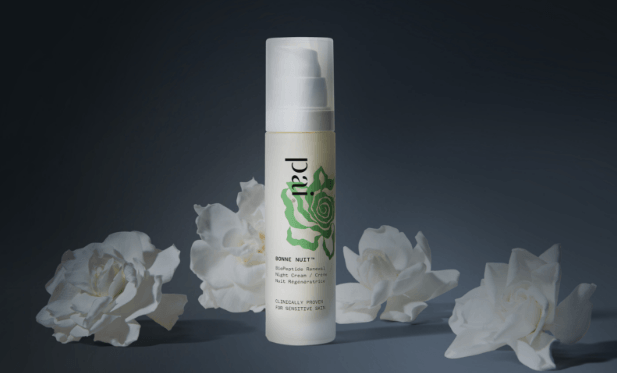
Switch to lamps. Put on blue light blockers. Apply Bonne Nuit, our peptide night cream that actually protects against blue light damage while delivering ingredients that mimic melatonin's skin benefits. The Gardenia extract filters blue wavelengths and works with your skin's microbiome to support overnight repair.
When to see a doctor
Still struggling after trying these approaches? If you're having trouble sleeping three or more nights a week for over three months, that's chronic insomnia. See your GP. It's a genuine medical condition that needs proper oversight, even if you prefer natural solutions.
Consider functional testing too. Sleep problems often stem from stress hormones, inflammation, nutrient deficiencies, or neurotransmitter imbalances that can be identified and addressed.
Support your skin's overnight repair cycle with Bonne Nuit peptide night cream
Learn more about Hayley's sleep clinics and workshops at habitude.co.uk
Frequently Asked Questions
Why does poor sleep affect my skin?
While you sleep, your body synthesises compounds from food into the proteins of living tissue, supporting cellular growth and rejuvenation. Research shows that good sleepers enjoy greater skin barrier recovery and significantly lower intrinsic ageing scores than poor sleepers, making quality sleep one of the most effective things you can do for your skin.
What are the most common causes of disrupted sleep?
Blood sugar imbalance is one of the most frequent culprits, along with overuse of caffeine and mistimed alcohol consumption. Caffeine takes around 8 hours to reduce its circulating load by roughly 75%, so cutting it off by 3pm can make a real difference. Alcohol, while sedative, flips your sleep cycle pattern by pushing deep sleep to the front of the night and leaving you in lighter, less restorative sleep during the early hours.
How can I build a better bedtime routine?
Sleep expert Hayley Pedrick recommends dividing your final hour before bed into three 20-minute stages: finishing off tasks and closing your day, sleep preparations like showering and brushing teeth, then a final 20 minutes of relaxation such as reading, breathing exercises or listening to soothing music. Keeping your bedtime and wake time consistent is equally important, as research shows it helps you fall asleep faster and improves circadian alignment.
Why does eating protein at breakfast help with sleep?
Waking in the early hours is frequently linked to blood sugar imbalances, and adequate protein at breakfast helps stabilise blood sugar over the course of the day, reducing those sleep-disrupting fluctuations at night. Protein also provides the amino acids your body needs to produce melatonin, the hormone that helps you fall and stay asleep.
How does Pai's Bonne Nuit Night Cream support better sleep and skin?
Bonne Nuit contains Gardenia jasminoides extract, which filters blue light from screens and is converted by the skin's microbiome into crocetin, a molecule that binds to melatonin receptors and mimics melatonin's reparative effects. A calming blend of Rose, Lavender, Cedarwood and Patchouli essential oils rounds off the formula, making it a practical step in your wind-down routine from 8pm when blue light reduction matters most.