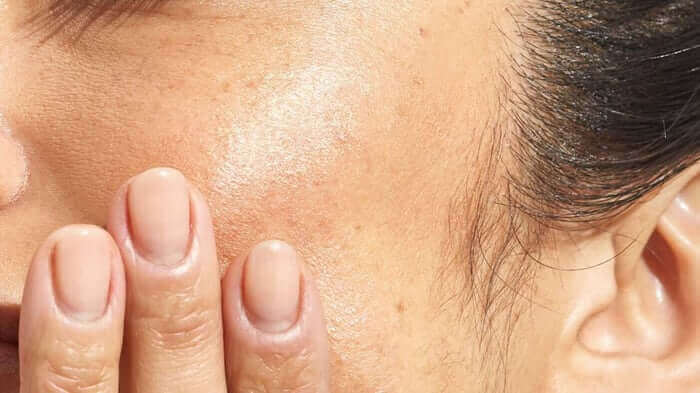

96% of Pai customers say looking tired bothers them. When we surveyed our community about sleep and skin, the numbers were stark: 84% aren't sleeping well, and for most, their skin is paying the price.
The connection between poor sleep and sensitive skin runs deeper than dark circles. From compromised barrier function to increased inflammation, sleep deprivation creates a cascade of skin issues that no concealer can fix.
Here's what we learned from thousands of customers about the sleep-skin connection, plus the science-backed strategies that actually help.
Why your skin needs sleep (the science bit)
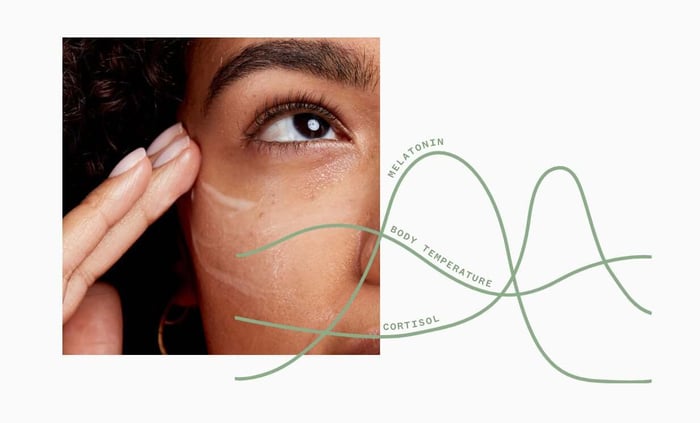
While you're dreaming, your skin is working overtime. Overnight, cortisol levels drop by up to 60%, allowing repair mechanisms to kick in. Cell turnover peaks between midnight and 4am. Your skin's blood flow increases by 25%, delivering oxygen and nutrients while removing metabolic waste.
But skip those precious hours? Everything reverses. Cortisol stays elevated, breaking down collagen. The skin barrier weakens, letting irritants in and moisture out. Inflammatory markers spike, triggering sensitivity, redness, and breakouts.
For deeper insights into these mechanisms, read our expert guide to how sleep affects your skin.
What sleep deprivation actually does to your face
When we asked what bothers you most after a bad night, the answers were consistent:
Dehydration: Without adequate sleep, your skin produces less natural moisturising factor (NMF). Trans-epidermal water loss increases by up to 30%, leaving skin parched by morning.
Dark circles: Poor circulation causes blood to pool in the delicate under-eye area. The skin here is 40% thinner than elsewhere on your face, making every shadow more visible.
Dullness: Reduced cell turnover means dead cells accumulate on the surface. Your natural exfoliation process slows, leaving complexions grey and lacklustre.
Flare-ups: For sensitive skin types, sleep loss is a major trigger. The weakened barrier can't defend against irritants, while inflammation runs unchecked.
Increased breakouts: Elevated cortisol stimulates sebum production while slowing healing. Spots last longer and new ones appear faster.
The routine sabotage no one talks about
Sleep deprivation doesn't just affect your skin directly. It sabotages the very habits that could help.
Our survey revealed the skincare steps you're most likely to skip when exhausted:
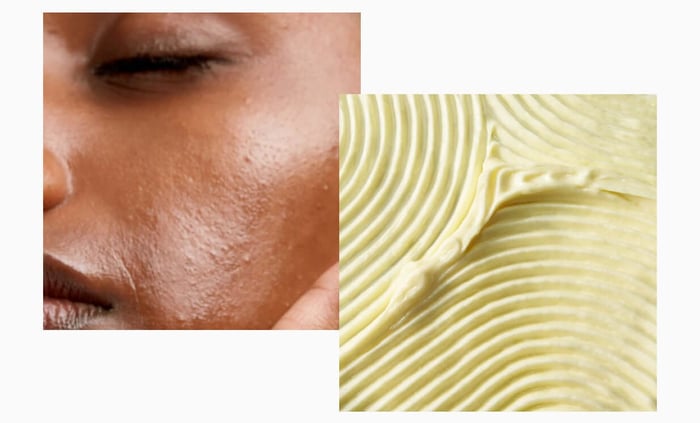
36% skip their face oils, missing out on the omegas and antioxidants that repair overnight damage. 23% forget sunscreen, leaving already-compromised skin vulnerable to UV. Most shocking: 12% skip cleansing altogether, letting makeup, pollution, and sebum sit on skin all night.
For sensitive skin, consistency matters more than complexity. A simplified routine you'll actually stick to beats an elaborate one you'll abandon when tired.
The two-step emergency routine
On those nights when you can barely keep your eyes open, commit to just two steps:
1. Cleanse properly: Light Work Rosehip Cleansing Oil dissolves everything in one step, no second cleanse needed. The rosehip omega fatty acids start repair work immediately.
2. Apply a treatment moisturiser: Bonne Nuit Peptide Night Cream combines barrier repair (phytosphingosine), collagen support (peptides), and inflammation control (sea lavender) in one formula. Your skin gets what it needs even if you crash immediately after.
Morning damage control for tired skin
Can't undo last night's Netflix binge? These targeted treatments help fake a full eight hours:
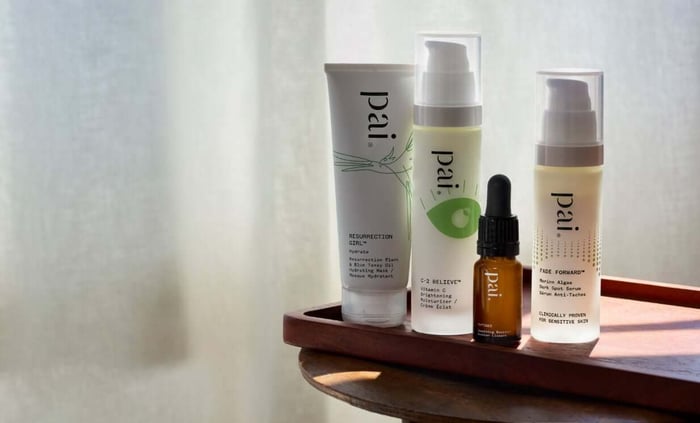
For instant radiance: Resurrection Girl delivers hyaluronic acid hydration in 10 minutes. The orange blossom water reduces puffiness while you make coffee.
For dullness: C-2 Believe combines stabilised vitamin C with sea buckthorn to brighten and energise. The lightweight texture layers perfectly under makeup.
For dark circles: Echium & Argan Eye Cream targets both puffiness (caffeine) and shadows (light-reflecting minerals). Keep it in the fridge for extra depuffing power.
For uneven tone: Fade Forward uses sea lily extract to regulate melanin production. Regular use prevents the pigmentation that tiredness can trigger.
What actually helps you sleep better
We asked our community to share their most effective sleep strategies. The winners:
Screen limits (32%): Blue light suppresses melatonin production for up to three hours. Even one hour of pre-bed phone scrolling delays sleep onset by 30 minutes.
Fresh sheets (27%): More than psychological. Clean bedding reduces allergens and irritants that can trigger nighttime itching and inflammation.
Meditation and sleep aids (17%): Apps like Calm or Headspace reduce cortisol within 10 minutes. Progressive muscle relaxation drops heart rate by 5-7 bpm.
Evening skincare rituals: The act of cleansing and applying products signals wind-down time. Choose calming scents: our Rosehip BioRegenerate Oil contains natural neryl acetate, shown to reduce anxiety.
For more sleep strategies, including Sarah's personal tips, read the sleep and skincare tips Sarah swears by and our guide to better sleep for sensitive skin.
The sleep-skin connection nobody mentions
Here's what dermatologists know but rarely discuss: sleep quality matters more than quantity for skin health. Six hours of deep, uninterrupted sleep beats eight hours of fitful dozing.
Temperature is crucial. Your core body temperature needs to drop 1-2 degrees to initiate deep sleep. Keep bedrooms at 16-18°C. Use breathable cotton bedding. Apply skincare 30 minutes before bed so products have time to absorb without creating a heat trap.
Sleeping position affects everything. Side sleepers see more pronounced lines on their preferred side. Stomach sleeping increases puffiness. Back sleeping is optimal for skin, though not always practical. A silk pillowcase reduces friction by 43% compared to cotton, whatever your position.
Your questions about sleep and skin, answered
Can one bad night really affect my skin?
Yes. Studies show even one night of poor sleep increases signs of skin ageing, reduces barrier function, and decreases satisfaction with appearance. But skin is resilient. One good night starts the repair process.
Why do I break out more when tired?
Sleep deprivation spikes cortisol and insulin-like growth factor, both of which stimulate sebum production. Add a weakened barrier and slowed healing, and spots multiply fast.
Is 'beauty sleep' actually real?
Completely. Growth hormone secretion peaks during deep sleep, driving collagen synthesis and cell renewal. Miss those hours consistently and visible ageing accelerates.
Which ingredients help tired skin most?
Peptides support collagen. Ceramides repair barriers. Hyaluronic acid replaces lost hydration. Vitamin C brightens and protects. Find them all in targeted treatments that work while you rest.
Making sleep a skin priority
Perfect sleep isn't always possible. Life happens. But understanding how profoundly sleep affects your skin can help you prioritise it when you can, and choose the right products to support your skin when you can't.
Start tonight. Set a bedtime alarm. Simplify your routine to ensure consistency. Choose products that multitask, so tired skin gets maximum benefit with minimum effort.
Your skin will thank you. And so will everyone who asks about your glow.
Join thousands of customers getting science-backed skincare advice. Subscribe to our newsletter for evidence-led tips, ingredient deep-dives, and first access to new launches.
Frequently Asked Questions
How does lack of sleep affect sensitive skin?
Poor sleep can decrease collagen production and compromise your skin barrier, which often triggers flare-ups in sensitive skin. Pai's community survey found that dehydration, dark circles, dullness, flare-ups and increased blemishes were the most commonly reported skin effects of sleep deprivation.
What skincare steps are people most likely to skip when they're sleep-deprived?
According to Pai's customer survey, 36% skip active-rich face oils, 23% skip sunscreen, and 12% skip cleansing altogether when they're short on sleep. These are some of the most important steps for sensitive skin, so maintaining consistency matters even when you're exhausted.
Why does a bedtime skincare routine help you sleep better?
Beyond replenishing nutrients your skin loses during poor sleep, a comforting evening routine helps signal to your body that it's time to unwind. That wind-down ritual can actually promote better sleep afterwards, creating a positive cycle for both your skin and your rest.
What are the best tips for improving sleep quality?
Pai's community shared their favourite sleep hacks: almost a third reduce screen time or read before bed, 27% put on fresh sheets, and 17% use meditation or sleep aids. Adding a dedicated wind-down skincare routine, like using Bonne Nuit as part of your evening ritual, can also help you relax and drift off.
How common is it for poor sleep to affect how your skin looks?
Very common. In Pai's survey, 84% of respondents said they aren't sleeping well, and for the majority that's directly impacting their skin. A striking 96% said that looking tired bothers them, which is why building a consistent routine with active ingredients is so important for damage control.