
The most powerful skincare actives come from nature's own laboratories. At Pai, we've spent years proving that natural and high-performance aren't opposites. They're the same thing when you understand the science. Five ways nature outsmarts the lab when it comes to your skin.
Natural actives outperform their synthetic copies
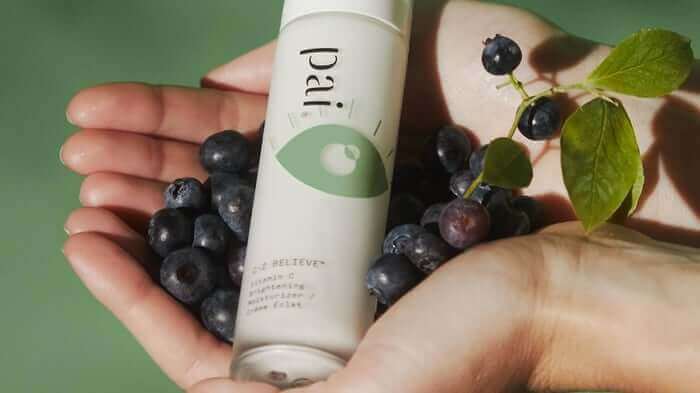
Synthetic L-ascorbic acid requires skin-irritating acidic pH levels to penetrate. Our corn-derived Ascorbyl Tetraisopalmitate in C-2 Believe passes through the skin's lipid barrier without disruption, staying in cells 40 to 80 times longer.
Or consider extraction methods. Cold-pressed oils might sound wholesome, but CO2 supercritical extraction preserves up to 700% more antioxidants. That's why our Rosehip BioRegenerate Oil delivers more regenerative polyphenols per drop than any cold-pressed alternative we've tested. The deep orange colour? That's visible proof of carotenoid concentration that cold pressing simply can't achieve.
When you formulate with respect for botanical chemistry rather than trying to replicate it in a lab, you get results that speak for themselves. Our founder Sarah created Pai precisely because conventional 'advanced' skincare failed her sensitive skin, while intelligently formulated natural ingredients transformed it.
Organic certification protects more than your skin
When you choose COSMOS-certified organic skincare, you're supporting an entire ecosystem of responsible practices. Organic farming uses only biodegradable ingredients, protects biodiversity, and allows natural resources to regenerate sustainably.
But certification goes beyond environmental protection. The Soil Association standards we follow ensure fair wages throughout the supply chain and positive impacts on farming communities. Every certified product represents dozens of audited checkpoints: from soil health to worker welfare to manufacturing processes.
This matters because skincare ingredients don't exist in isolation. The chamomile in your toner grows in fields that either enrich or deplete the soil. The farmers who harvest your rose petals are either paid fairly or they're not. Certification makes these invisible choices visible.
Your recycling bin needs a bathroom buddy
Your bathroom generates more recyclable waste than any other room in the house, yet most of it ends up in landfill. Why? Because we don't think about bathroom recycling the way we think about kitchen recycling.
Get a small recycling container for your bathroom. Make it part of your routine. But not all beauty packaging is created equal. Look for clear recycling symbols and simple material construction. Glass jars, aluminium tubes, and single-material plastics are your best bets.
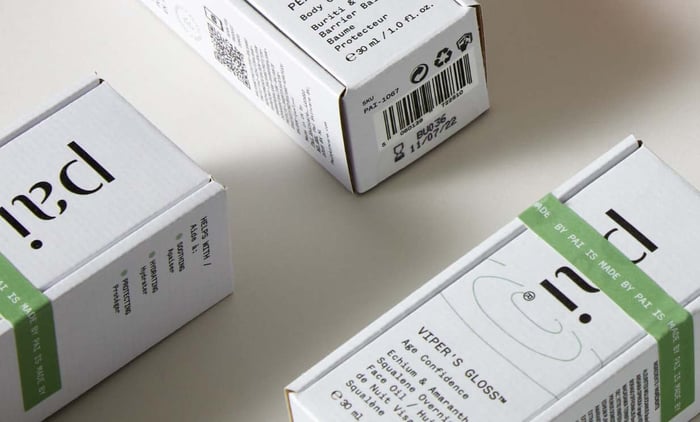
Some components resist standard recycling. Pumps, complex caps, and mixed-material packaging often can't go in your household recycling. That's why we run a free takeback scheme for these tricky bits. Pop them in your Pai box, label it 'recycling', use the free returns label, and we'll ensure they're properly processed. No extra cost, no landfill guilt.
Real certifications beat marketing claims every time
The beauty industry loves a good claim. "Clean", "pure", "natural", "eco-friendly". These words sound impressive but mean precisely nothing without independent verification. As sustainable beauty has grown from niche to mainstream, distinguishing genuine commitment from clever marketing has become crucial.
Look for legitimate third-party certifications. COSMOS Organic. Soil Association. Leaping Bunny. B Corp. These aren't bought with marketing budgets. They're earned through rigorous auditing, ongoing compliance, and genuine commitment.
We're also verified through Provenance, an independent platform that confirms our certifications are current and legitimate. In an industry where anyone can claim anything, third-party verification is your guarantee that what's on the label matches what's in the bottle and how it got there.
Waste ingredients make powerful skincare actives
Some of skincare's most effective ingredients are hiding in what other industries throw away. Upcycling in beauty isn't just good environmental practice. It's smart chemistry.
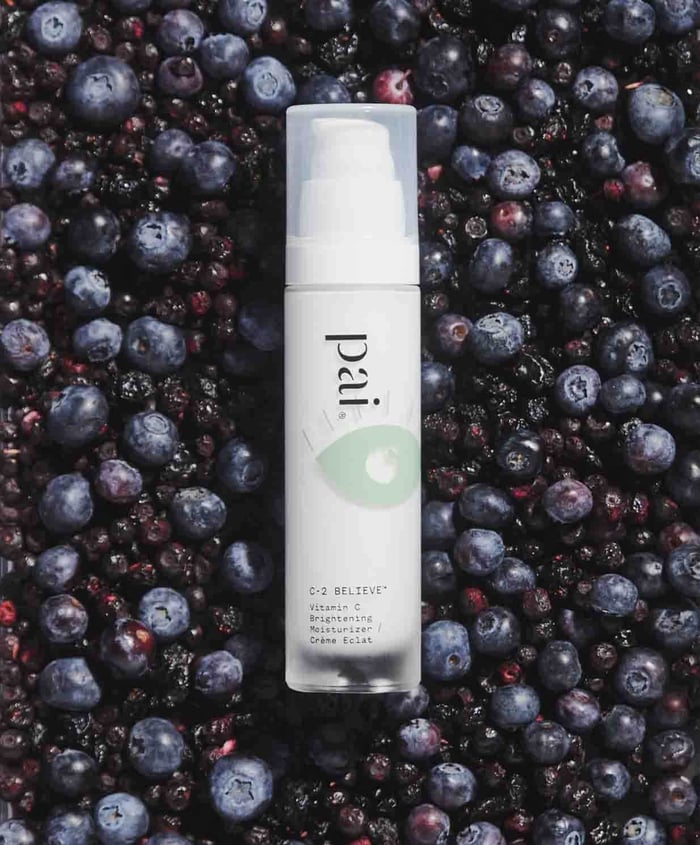
Take bilberry seeds. The juice industry discards millions of tonnes annually, yet these seeds contain omega-3 and omega-6 fatty acids in perfect ratios for skin barrier repair. We upcycle them for our C-2 Believe moisturiser, where they work alongside stabilised Vitamin C to brighten and strengthen skin.
Or consider our Rosehip BioRegenerate. We use the whole fruit, not just the seeds, capturing carotenoids from the flesh that seed-only extraction misses. What might be waste becomes the deep orange concentrate that's helped transform skin worldwide.
This approach runs throughout our range. Our Light Work Cleansing Oil features upcycled grapeseed oil from winemaking. Our body care uses upcycled oat oil from food production. These aren't compromises. They're often more potent than purpose-grown alternatives, concentrated by the very processes that would otherwise discard them.
Nature doesn't believe in waste. Neither should skincare.
The science of natural is here
These five principles aren't just philosophy. They're the foundation of how we formulate every product in our certified organic range. When you understand that nature's chemistry is more sophisticated than anything we can synthesise, that certification creates accountability, and that sustainability strengthens rather than compromises efficacy, you understand why natural skincare isn't the alternative anymore.
It's the future.
Discover what certified organic, high-performance natural skincare can do for your skin. Shop our full COSMOS-certified range or learn more about our certifications and commitments.
Frequently Asked Questions
Why should I choose certified organic skincare over conventional products?
Certified organic skincare ensures the ingredients are farmed in ways that protect biodiversity, use only biodegradable materials, and allow natural resources to sustainably regenerate. Certifications like COSMOS and the Soil Association also guarantee fair pay for employees and minimise negative impacts on local communities, so your purchase supports people as well as the planet.
Are natural skincare ingredients as effective as synthetic ones?
Yes. The formulation process for natural skincare is the same as for any other product; it simply uses different raw materials. Natural actives are continually emerging with peer-reviewed science to back up their skin benefits, and Pai tests every product rigorously before launch to ensure it delivers real results.
How can I tell if a beauty brand is genuinely sustainable or just greenwashing?
Look for legitimate third-party certifications like COSMOS and the Soil Association rather than relying on a brand's own marketing claims. Verification platforms such as Provenance can independently confirm that a brand's certifications are genuine and up to date, giving you an extra layer of trust.
What does upcycling mean in skincare, and how does Pai use upcycled ingredients?
Upcycling takes byproducts from other industries, often food or juice production, that would otherwise go to waste and transforms them into high-quality skincare ingredients. Pai's C-2 Believe Vitamin C Moisturiser contains four upcycled ingredients, including Bilberry Seed Oil extracted from seeds discarded by the juicing industry, which delivers omega-rich fatty acids that support skin barrier function.
How can I recycle skincare packaging that my local council won't accept?
Components like pumps and caps often can't be processed by local recycling services, but Pai offers a free recycling scheme for these parts. Simply place them in your Pai outer mailer box, label it "recycling," and send it back using the free returns label at no cost to you.