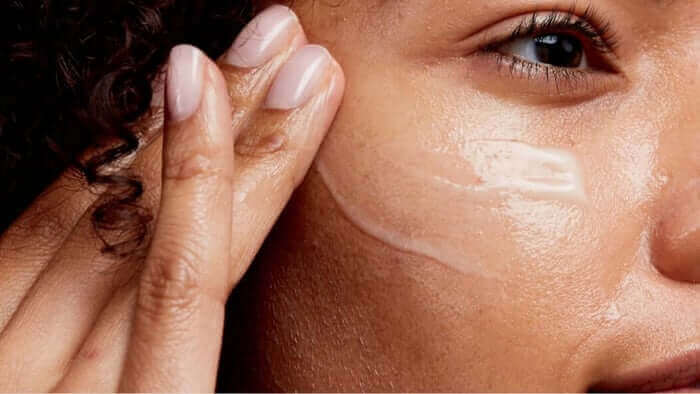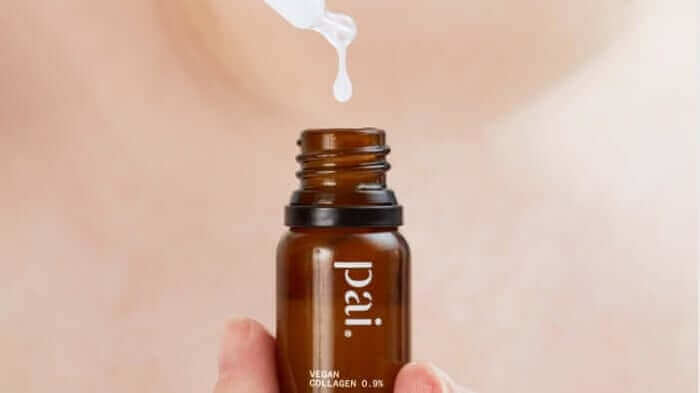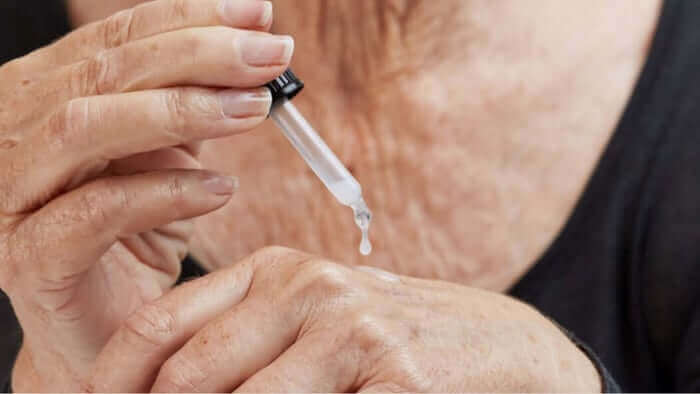

You know how your skin sometimes acts like it has a mind of its own? That's because it does. Well, its own microbiome at least. An ecosystem of bacteria lives on your skin's surface, and maintaining it is why prebiotic skincare ingredients have become such an unstoppable trend in beauty. We're all for it.
Here's where things get interesting. Your skin hosts 'good' bacteria and 'bad' bacteria, just like your gut, and keeping them balanced is vital. Without balance, your skin's microbiome tips out of whack, which triggers inflammatory problems like acne, eczema, and sensitivity flare-ups. Ingredients like probiotics and prebiotics restore that natural balance for optimum skin health. That's where Inulin comes in.
Our go-to natural prebiotic, Inulin features in plenty of our products with good reason. So here's everything you need to know about prebiotics and Inulin, from the difference between probiotics and prebiotics in skincare to the benefits and how you can build Inulin into your skincare routine.
What is Inulin?
Inulin is best known as a dietary fibre, present in foods including asparagus, bananas and garlic, which helps maintain your gut microbiome. While it can do all sorts of good things for your digestion via diet or supplements, we're here to talk about topical Inulin.
An active skincare ingredient and humectant, Inulin boosts skin tolerance and maintains natural defences. It's a type of prebiotic, a non-living ingredient that feeds good bacteria, ensuring your skin's microbiome stays protected and perfectly balanced for overall skin health.
Think of it as lawn feed for the bacteria you want to grow on your skin's surface, helping protect against external aggressors and keeping skin healthy.
Ours derives from chicory root, though it can be sourced from sugarcane and other plants. COSMOS Natural-certified, cruelty free and Vegan Society approved, we only use suppliers that test this ingredient for its prebiotic properties.
Prebiotics vs probiotics
You might have heard about probiotics in skincare too, and wonder how this fits the picture. If prebiotics like Inulin are the 'feed' that help your skin's good bacteria thrive, then probiotics are the 'live' microorganisms that live on the skin's surface and need feeding.
Most probiotic skincare, however, won't contain live microorganisms. The preservatives in the formula would instantly cancel them out. Instead, you'll usually find ingredients derived from probiotics that deliver similar benefits.
The relationship between prebiotics and probiotics mirrors what happens in your gut. Prebiotics provide the fuel, probiotics do the work. In skincare, prebiotics like Inulin have proven particularly effective because they're stable, gentle, and directly support the microbiome already present on your skin. No need to introduce new bacteria when you can strengthen what's already there.
What are the benefits of Prebiotic Inulin in skincare?
Rebalances skin's microbiome
Imagine your microbiota as a tiny army of bacteria living on the uppermost surface of your skin, strengthening the skin's barrier. Applying Prebiotic Inulin is like giving them a hearty meal, or even shiny new weapons, to make sure they stay fighting fit and always on guard. Your skin faces so many external environmental factors, from weather changes to pollution, that this is an ingredient all skin types and concerns benefit from.
Research shows that a balanced microbiome directly correlates with reduced inflammation markers in the skin. When bad bacteria outnumber the good, inflammatory cytokines increase, triggering redness, irritation and breakouts. Inulin selectively feeds beneficial bacteria like Staphylococcus epidermidis while limiting the growth of harmful strains like Staphylococcus aureus, which is often overabundant in acne-prone and eczema-prone skin.
Hydrates
We know how essential hydrated skin is for a happy barrier, so adding Prebiotic Inulin, which excels at retaining moisture, is a no-brainer. As a humectant, it draws moisture into skin from the environment while slowing water evaporation to really hold it in.
Unlike some humectants that can feel sticky or heavy, Inulin has a smooth, almost silky feel on skin. It forms an invisible film that prevents transepidermal water loss without clogging pores or feeling occlusive. This makes it particularly useful for oily or combination skin types who need hydration without heaviness.
Calms
The end result of protected, well-balanced skin is happier skin. By feeding the skin's microbiome and keeping this invisible shield healthy, you'll reinforce your skin barrier and find skin looks and feels calmer all round. A must for sensitive skin and a handy tool to add to your routine when trying new products and actives.
The calming effect happens through multiple pathways. A balanced microbiome produces antimicrobial peptides that protect against pathogens. It also modulates the skin's immune response, reducing overreaction to environmental triggers. Studies show that prebiotic-treated skin has lower levels of inflammatory markers like interleukin-6 and tumour necrosis factor-alpha.
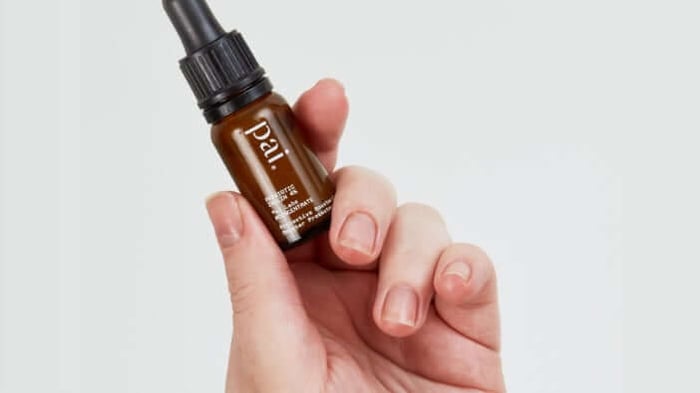
How to use Inulin in your skincare routine
There's no right or wrong way to get prebiotics into your daily skincare routine, but as you can tell, we're big fans of using Inulin for calmer and stronger skin. You'll find it throughout our range, and it's in all our boosters too, cushioning our natural actives.
For targeted prebiotic support, try our Inulin 4% Protective Booster. Mix 1-2 drops with your favourite serum or moisturiser, morning or evening. It's particularly effective when paired with active ingredients like vitamin C or peptides, as the Inulin helps maintain skin balance while the actives work.
You'll also find Inulin working behind the scenes in products like our Instant Kalmer Redness Serum, where it supports the ceramide complex in reinforcing barrier function. In our Peptides 5% Firming Booster and Vitamin C 10% Brightening Booster, Inulin cushions the active ingredients, helping sensitive skin tolerate these powerful actives without irritation.
For those new to prebiotics, start by incorporating one Inulin-containing product into your routine. Once your skin adjusts (usually within a week), you can layer multiple products containing Inulin without overloading your microbiome. The beauty of prebiotics is that they work cumulatively. The more consistently you use them, the more balanced and resilient your skin becomes.
Book a free online skin consultation for tailored advice on how to add Inulin into your routine.
The future of microbiome skincare
We're only beginning to understand the complexity of the skin microbiome. Current research suggests that each person's microbiome is as unique as their fingerprint, influenced by genetics, environment, diet, and lifestyle. What we do know is that supporting this ecosystem with prebiotics like Inulin is one of the most effective ways to maintain healthy, balanced skin.
As we continue formulating at our London lab, Inulin remains a cornerstone ingredient. Not because it's trendy, but because the science is solid and the results speak for themselves. Calmer skin, fewer reactions, better tolerance to actives, improved hydration. Sometimes the simplest solutions are the most powerful.
Ready to give your skin's microbiome the support it needs? Start with one prebiotic product and watch how your skin responds. We think you'll be as convinced as we are that this is one skincare trend worth sticking with.
Frequently Asked Questions
What is Prebiotic Inulin and why is it used in skincare?
Inulin is a natural prebiotic derived from chicory root that feeds the "good" bacteria living on your skin's surface. By nourishing your skin's microbiome, it helps strengthen the skin barrier, boost tolerance and maintain your skin's natural defences against environmental aggressors like pollution and weather changes.
What is the difference between prebiotics and probiotics in skincare?
Prebiotics like Inulin are non-living ingredients that feed the beneficial bacteria already on your skin, while probiotics are live microorganisms. Most probiotic skincare doesn't actually contain live microorganisms, because the preservatives in the formula would cancel them out. Instead, they typically use probiotic-derived ingredients with a similar benefit.
How does Prebiotic Inulin hydrate the skin?
Inulin works as a humectant, drawing moisture into the skin from the surrounding environment while also slowing water evaporation to lock hydration in. This dual action helps keep your skin barrier well-hydrated, which is essential for overall barrier health.
Is Prebiotic Inulin suitable for sensitive skin?
Absolutely. Because Inulin feeds the skin's microbiome and reinforces the barrier, it helps skin look and feel calmer overall. It's particularly useful for sensitive skin and worth adding to your routine when you're introducing new products or actives, since a stronger microbiome makes skin more tolerant.
Which Pai products contain Prebiotic Inulin?
You'll find Inulin across many Pai formulas, including the Peptides 5% Booster, Stabilised Vitamin C 20% Booster and the Free Bird Prebiotic Hand Serum. It's also in all of Pai's boosters, where it's used to cushion the natural actives in each formula.