
That chin spot that arrives like clockwork before your period isn't random. Or those stubborn forehead breakouts that seem to flare when you're stressed.
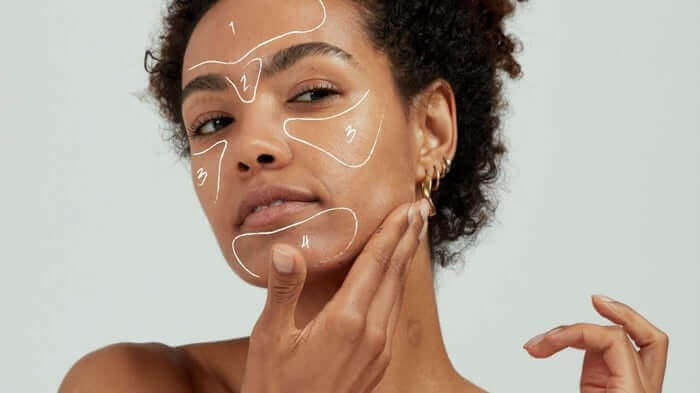
Face mapping, rooted in traditional Chinese medicine, suggests that different areas of your face reflect what's happening inside your body. While Western dermatology might not fully endorse every connection, many of our blemish-prone customers tend to have a specific area where they break out more often.
Here's what different breakout zones actually mean.
Forehead: The stress zone
Forehead spots often signal digestive or bladder stress. When your system's overwhelmed, whether from processed foods, dehydration, or just life in general, your forehead tends to be the first to complain.
The fix? More water, more green tea, more fibre. Less refined sugar, less midnight snacking, less scrolling through emails at 2am. Your forehead will thank you.
Also watch for contact breakouts here. Hair products love to migrate onto skin, especially during workouts or between washes. Keep hair off your face when exercising, and if you use dry shampoo, apply it before bed rather than in the morning to minimise transfer.
Between the brows: The party zone
That spot right between your eyebrows that appears after Friday night drinks? Classic liver stress signal. Rich foods, alcohol, and processed ingredients all show up here.
You don't need to swear off wine entirely. But if between-brow breakouts are your regular Saturday morning companion, your liver might appreciate a few more fresh, home-cooked meals and slightly smaller wine pours. Bonus: cutting back on alcohol helps your whole complexion. Dehydration plus nutrient depletion equals that grey, dull skin that no concealer can fix.
Cheeks: The respiratory connection (and your phone)
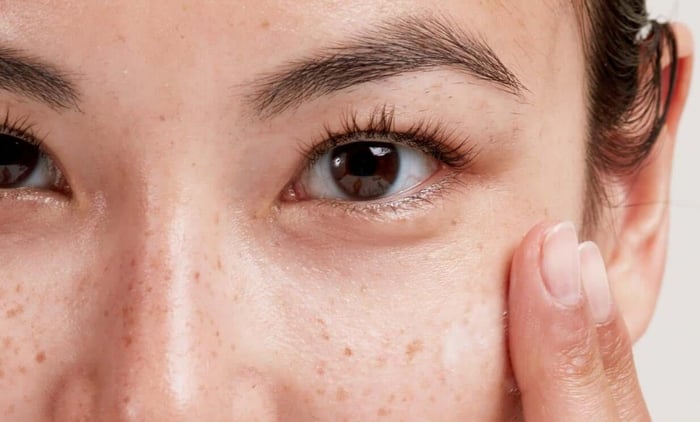
Traditional face mapping links cheeks and nose to lung health. Regular colds, chest infections, or breathing issues? Your cheeks might show it.
Modern reality: your phone screen harbours more bacteria than a toilet seat. Those cheek breakouts might have nothing to do with your lungs and everything to do with your hour-long catch-up calls. Wipe your screen with antibacterial cleaner every few days. Simple fix, significant results.
If you're seeing small spots plus persistent redness on your cheeks, you might be dealing with rosacea rather than acne. Different condition, different approach. Our rosacea guide breaks down the difference.
Chin and jawline: Hormone headquarters
Chin and jawline breakouts are almost always hormonal. They arrive like clockwork with your cycle, or show up when you switch contraception, start new medication, or navigate pregnancy.
Hormonal acne is notoriously stubborn. Topical products help, but you need a more comprehensive approach. This is where targeted skincare meets lifestyle adjustments.
For hormonal breakouts, reach for our Carbon Star. Black cumin seed oil naturally balances sebum production while activated charcoal draws out impurities overnight. Unlike harsh acne treatments that strip sensitive skin, this works with your skin's natural processes.
The bigger picture
Face mapping gives us clues, not diagnoses. A forehead breakout might signal stress, or it might just mean you touched your face after handling your keyboard (another bacteria hotspot).
What matters is patterns. If you consistently break out in the same spot at the same time, there's usually a reason. Track it for a month. Note what you ate, how you slept, where you are in your cycle. The connections often reveal themselves.
For deeper analysis and personalised recommendations, book a free skin consultation with our team. They've seen every breakout pattern imaginable and can help you build a routine that addresses your specific triggers.
Spots happen. Once you understand what yours are saying, you can answer back with the right approach.
Ready to decode your skin? Browse our full collection for blemish-prone skin or try our guide to treating acne scars if you're dealing with post-breakout marks.
Frequently Asked Questions
What do spots on different parts of the face mean?
In Chinese medicine, each area of the face is thought to correspond to a specific internal organ or system. Forehead spots are linked to digestion, between-brow spots to the liver, cheek spots to the lungs, and chin or jawline spots to hormonal imbalances. Identifying your breakout zone can help you pinpoint potential underlying causes and adjust your habits accordingly.
Why do I keep getting spots on my chin and jawline?
Chin and jawline spots are usually linked to hormonal fluctuations. They often appear at the same time each month, or may be triggered by changes in contraception, new medication, illness or pregnancy. Hormonal acne is notoriously difficult to treat with topical products alone, so a more holistic approach is worth considering.
Can my phone cause spots on my cheeks?
It absolutely can. The average phone screen reportedly harbours more bacteria than a toilet seat, and pressing it against your face during calls transfers that bacteria directly onto your skin. Wiping your screen down with an antibacterial cleaner every few days is a simple way to reduce breakouts in this area.
What causes spots between the eyebrows?
Spots between the brows are thought to be linked to the liver, which is why they often appear after a night of drinking or eating rich, processed foods. Cutting back on alcohol and refined sugar can help. Reducing alcohol also benefits your overall complexion, since it's a diuretic that causes dehydration and depletes vital skin nutrients, leaving skin looking dull and grey.
What skincare products does Pai recommend for blemish-prone skin?
Pai's blemish-prone range includes targeted treatments like Carbon Star, The Pioneer, and the Perfect Balance Blemish Serum with Copaiba and Zinc. For deeper cleansing, the Copaiba Deep Cleanse AHA Mask works well, while the Rice Plant and Rosemary BioAffinity Tonic helps rebalance the skin between treatments.