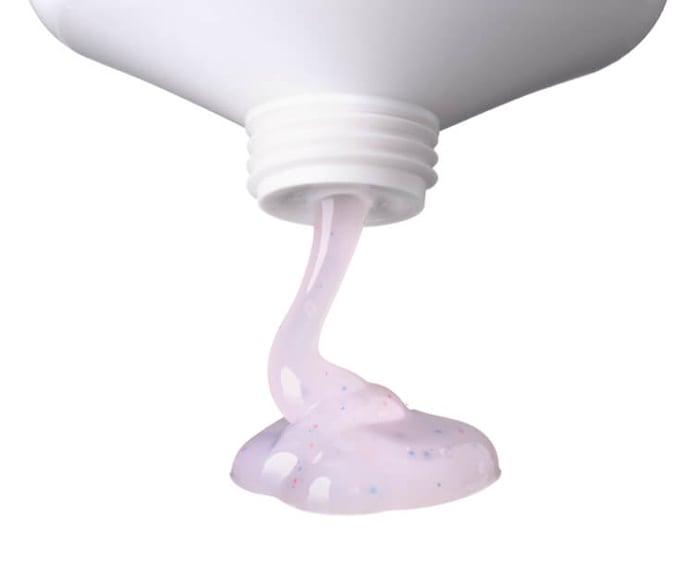

Sometimes the beauty industry gets it spectacularly wrong. Plastic microbeads are a case in point. For decades, these tiny plastic spheres have been turning up in exfoliators and cleansers, promising smoother skin while quietly devastating marine ecosystems.
The good news is that things are changing. Following the US Microbead-Free Waters Act in 2015 and the UK's ban in 2018, plastic microbeads in cosmetics are now illegal in most major markets. The damage they caused proves ingredient choices have consequences.
What microbeads actually do
Microbeads are polyethylene spheres smaller than 1mm. Too tiny to be caught by water treatment facilities, they flow straight into rivers and oceans where they persist for centuries. Marine life mistakes them for food. The plastic accumulates up the food chain. One study found microbeads in 11% of marine species affected by debris. Another documented over 450,000 microbeads per square kilometre in Lake Erie alone.
All for a marketing claim about 'deep exfoliation' that plastic spheres don't even deliver effectively.
Major brands only acted when forced. L'Oréal didn't commit to a phase-out until 2014, nearly a decade after the first studies showed microbeads in marine life. By then, billions of microbeads had already entered our water systems.
Why Pai never touched plastic
At our London lab, the decision was simple: if an ingredient harms the planet, it has no place in skincare. We've been formulating without plastic microbeads since day one, not because legislation required it, but because better alternatives already existed.
Our Virtuous Circle uses 100% natural jojoba wax spheres. They're perfectly round (no scratching), completely biodegradable, and actually gentler on sensitive skin than their plastic counterparts. The jojoba melts at skin temperature, leaving a conditioning film rather than microscopic scratches.
This is what we mean by the science of natural. When you understand ingredients at a molecular level, you realise nature often provides superior solutions. Jojoba wax spheres aren't a compromise. They're an upgrade.
The bigger picture
Microbeads were just one symptom of a larger problem: an industry that prioritised cheap, synthetic ingredients without considering environmental impact. Every formula decision creates ripples beyond your bathroom sink.
That's why every Pai product is COSMOS certified organic. Why we use glass packaging wherever possible. Why we're a certified B Corp. These certifications hold us accountable, ensuring every ingredient, every package, every business decision considers its wider impact.
The microbead ban proved that consumer pressure and legislation can force change. But real progress happens when brands take responsibility before they're required to. When you formulate by asking 'what works best for skin and planet?' instead of 'what's cheapest to manufacture?'
At Pai, that means continuing to formulate in our London lab with ingredients that work with your skin and respect the planet. No plastic spheres. No environmental shortcuts. Just effective, natural skincare that you can use with a genuinely clean conscience.