
Out of nowhere, I developed urticaria overnight. My usually calm skin became irritated, hypersensitive and acne-prone. Keeping it under control was a daily battle.
Finding products that didn't contain problem ingredients brought a whole new challenge. It was so difficult that urticaria is the reason I began formulating my own products and launched Pai. To help others like me.
Years on, urticaria still lives in the shadow of better known conditions like acne and eczema. Sufferers are often left in the dark with little advice or support. But with the right approach and products, the condition can be kept at bay.
Here's everything you need to know about urticaria and hives.
What is urticaria?
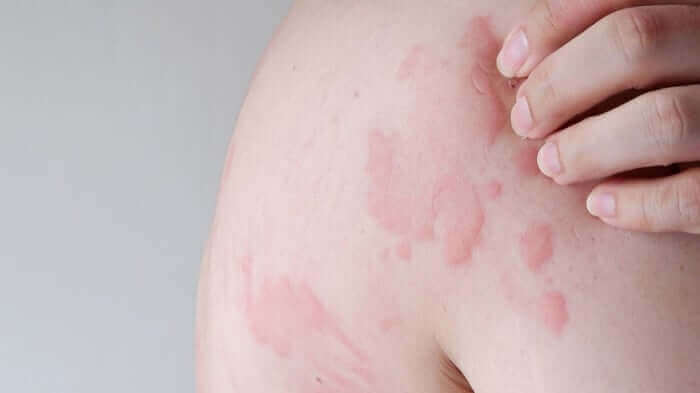
Urticaria (also known as hives) is an allergic rash of raised, bumpy red welts. It's extremely itchy and hot to the touch, making it both unsightly and uncomfortable to live with.
Like all allergies, urticaria shows up differently on different people. I find it most often appears across my upper back and shoulder blades. The rash never breaks the skin, but the itch can feel unbearable.
There are three main types:
Acute urticaria
Flares quickly after contact with an allergen. Can last from a few hours to six weeks. Food allergies are the most common cause, though heat or exercise can also trigger it.
Chronic urticaria
Lasts for over six weeks. Less likely to be caused by an allergy or physical stimulus. This type is termed 'idiopathic' (of unknown cause), which makes it difficult to diagnose. This is the type I have.
Physical urticaria
Triggered by a physical stimulus. Anything from heat to water. Only lasts for a couple of hours.
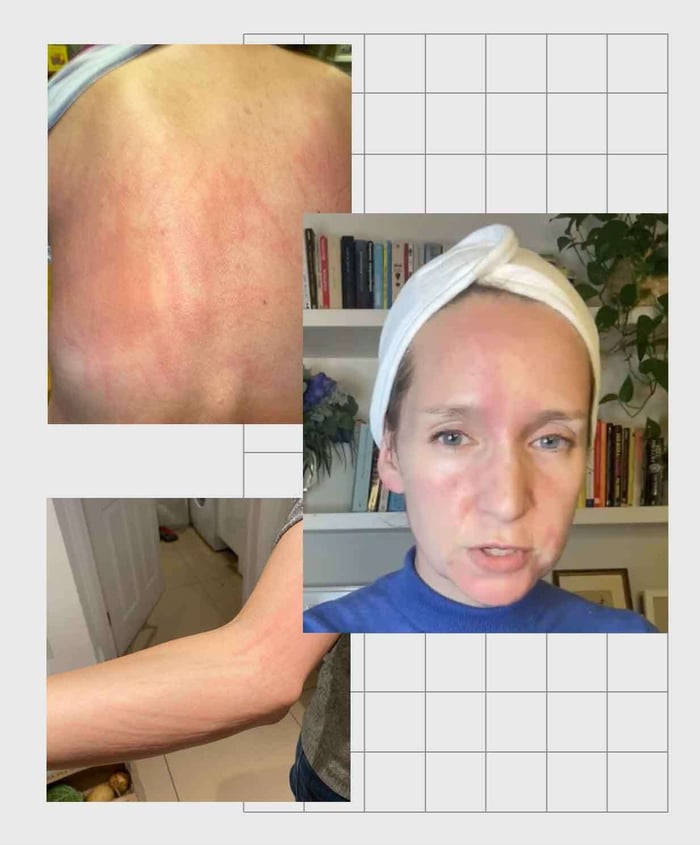
Urticaria symptoms
You get hives when something causes high levels of histamine and other chemicals to be released in your skin. The result: a swollen rash that itches intensely.
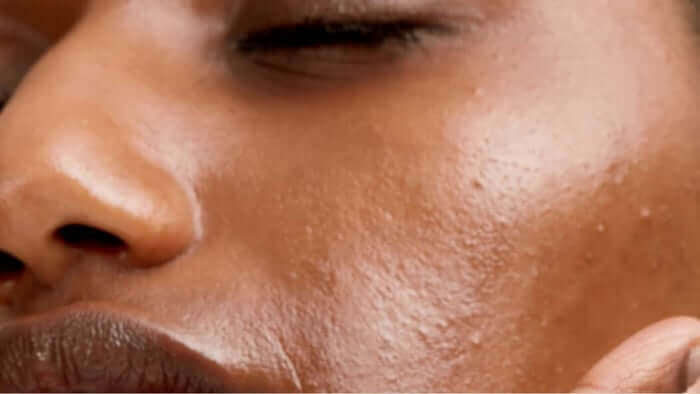
Hives can appear on the face (including lips and tongue), body, or both if you're really unlucky. These raised patches or welts usually look red in fairer skin. The colour change can be harder to spot in brown or black skin tones.
The size varies wildly. Welts can be just a few millimetres or as large as your hand. Sometimes they appear to join together as they spread. You might feel a rush of heat in the skin too.
If you're also feeling unwell or have swelling under (rather than on top of) the skin, it's important to see a doctor.
Urticaria causes and triggers
What makes urticaria difficult to avoid is the many possible triggers. Each person will have their own factors that set them off. Triggers tend to fall into six categories.
Food
Food allergies are the most common trigger of acute urticaria, but can be a problem across all types. Eggs, shellfish, tomatoes and nuts tend to be the worst culprits. Alcohol can also trigger it (especially wine for me!). Keep a food diary for a month to identify your personal intolerances.
Salicylates
Salicylates are found in many foods but also in aspirin and paracetamol. This is why doctors often recommend avoiding these types of analgesics. Always discuss pain relief options with your healthcare provider if you have urticaria.
Stress
Urticaria often relapses when we're stressed or tired. Our natural defences are down. The mind and body are interconnected, so maintaining emotional balance can help reduce flares.
Physical abrasion
The most obvious trigger for me is physical abrasion. People with urticaria tend to have such hypersensitive skin that rubbing or scratching causes the tell-tale red lines to appear. This reaction is known as dermatographism.
External irritants
The onset of urticaria made my skin generally hypersensitive. After lots of research and testing, I identified a few common ingredients in beauty products that my skin really didn't respond well to. The worst offenders: synthetic preservatives (Phenoxyethanol) and fragrances (Parfum) in cosmetics. Pai was born from my search for an alternative.
Extreme temperatures
Like eczema and rosacea, both very hot and very cold weather can cause urticaria flare-ups.
How to treat urticaria
There are several approaches to treating hives. Often the reaction will just go away on its own. If not, these can help.
Prescription medications
Doctors often prescribe antihistamines as treatment. In severe cases they'll prescribe two: one for day, another for night. However, antihistamines provide only temporary relief and aren't generally advised for long-term use.
Natural medicines
Quercetin is nature's antihistamine. It's considered more effective than synthetic versions as it blocks the release of histamines rather than just masking their effects.
Other natural remedies are available. 'Urtica' translates from Latin as 'nettle', and nettle teas and other nettle-related homoeopathic treatments can be beneficial.
Keep cool
Heat often makes urticaria worse, so keeping cool is important. Wear lightweight, breathable fabrics like cotton or linen. Avoid tight clothes, especially where you usually flare up.
A cold compress can provide immediate relief. Wrap ice packs or frozen peas in a cloth and press onto the area.
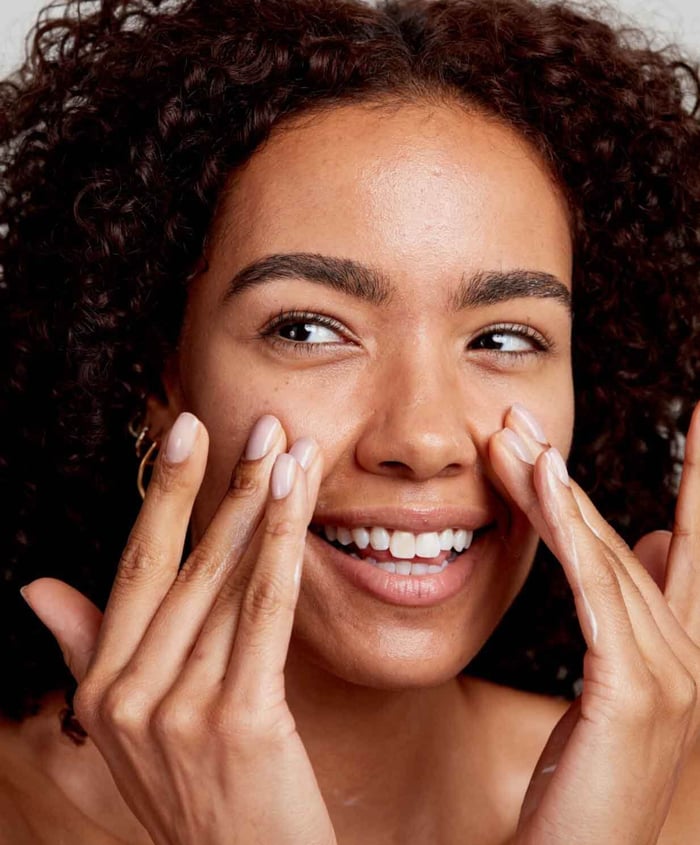
Best skincare products for urticaria
When you're prone to urticaria, your skin becomes much more sensitive. You need skincare suitable for sensitive skin and products that avoid potentially irritating ingredients like synthetic preservatives and fragrances.
Pai's entire range is suitable for urticaria, but the calm range is particularly helpful at soothing aggravated skin.
To keep body breakouts under control, wash with Gentle Genius Body Wash and apply Comfrey & Calendula Calming Body Cream.
For the face, use a non-foaming cream cleanser like Middlemist Seven, followed by Century Flower Barrier Defence Mist (which is brilliant for spritzing during flare-ups).
Choose a serum designed to strengthen stressed skin. Instant Kalmer is my go-to: it rebuilds the barrier with ceramides while calming inflammation. Follow with The Anthemis moisturiser.
Daily SPF is vital whatever your skin type. Our British Summer Time SPF 30 is suitable for even the most sensitive skin.
To boost your routine, add The Anomaly Clarifying Oil to help relax hypersensitive skin. Or try our Prebiotic Booster to rebalance the skin's delicate microbiome.
When urticaria affects your face specifically, the approach changes slightly. Read our guide on managing reactive conditions on facial skin for more targeted advice.
Need more advice about urticaria and sensitive skin? Book a free skin consultation with one of our skin coaches for one-on-one advice.
Frequently Asked Questions
What is urticaria and what are the three main types?
Urticaria, also known as hives, is an allergic rash consisting of raised, bumpy red welts that are extremely itchy and hot to the touch. The three main types are acute urticaria (triggered quickly by an allergen and lasting hours to six weeks), chronic urticaria (lasting over six weeks with no identifiable cause, also called idiopathic), and physical urticaria (triggered by a physical stimulus like heat or water and usually lasting only a couple of hours).
What are the most common triggers for urticaria flare-ups?
Triggers generally fall into six categories: food allergies (especially eggs, shellfish, tomatoes, nuts and alcohol), salicylates found in aspirin and paracetamol, stress and fatigue, physical abrasion or scratching (known as dermatographism), external irritants like synthetic preservatives and fragrances in cosmetics, and extreme temperatures. Keeping a food diary for a month can help you identify your personal intolerances.
How can urticaria be treated without prescription medication?
Quercetin is considered nature's antihistamine and may be more effective than prescription options because it blocks the release of histamines rather than just masking their effects. Nettle teas and homoeopathic nettle treatments are also thought to help, since "urtica" is Latin for nettle. Keeping cool with lightweight breathable fabrics and applying a cold compress to affected areas can provide immediate relief during flare-ups.
What kind of skincare routine works best for urticaria-prone skin?
The key is avoiding potential irritants like synthetic preservatives and fragrances, and choosing products formulated for sensitive skin. A good routine starts with a non-foaming cream cleanser like Middlemist Seven, followed by Century Flower Barrier Defence Mist (which you can also spritz during flare-ups), then a barrier-strengthening serum like Instant Kalmer, and finally a calming moisturiser like The Anthemis.
Why is a ceramide serum like Instant Kalmer helpful for urticaria-prone skin?
Urticaria makes skin hypersensitive, so strengthening the barrier is essential to reduce reactivity. Instant Kalmer contains three plant-derived ceramide types (ceramide 2, 3 and 8) structurally matched to human skin ceramides, plus it is completely free from essential oils and fragrance, which are common triggers for reactive skin. In a consumer trial on 51 women with sensitive skin, 84% reported calmer skin and 82% reported relief from discomfort on application.