Natural fruit acids that resurface your complexion without causing chaos? That's the promise of AHAs. Short for alpha-hydroxy acids, these water-soluble exfoliants have earned their place in modern skincare routines, but if you have sensitive skin, you're right to ask questions first.
Here's what makes AHAs different from every other exfoliant on your shelf, which ones actually work for reactive skin, and how we've made them gentle enough for even the most temperamental complexions.
AHAs are alpha-hydroxy acids, water-soluble exfoliants that work differently from anything else in your routine
Alpha-hydroxy acids dissolve the glue holding dead skin cells together, so they shed naturally instead of building up on your face. Most come straight from nature: glycolic acid from sugar cane, lactic acid from fermented milk, citric acid from citrus fruits, malic acid from apples, and tartaric acid from grapes.
Unlike scrubs that attack your face with walnut shells, AHAs work evenly without any rubbing required. They speed up cell turnover, boost collagen production, and make your skin smoother and brighter. No wonder dermatologists have been recommending them for decades.
The catch? According to industry safety reviews, AHAs need specific conditions to be both effective and safe: a concentration of 10% or less and a pH of 3.5 or higher. Go lower on that pH scale and you're asking for irritation. Go higher on concentration without proper formulation, and sensitive skin will definitely let you know.
How AHAs transform your skin
Think of AHAs as your skin's personal renovation crew. This process brings multiple benefits:
Smoother texture and refined pores. By clearing away the dead cells that make skin feel rough and pores look enlarged, AHAs create a more refined surface. Clinical studies show 90% of participants saw measurable texture improvements after three weeks of AHA use.
Brighter, more even tone. That buildup of dead cells is what makes your skin look grey and patchy under certain lighting. Regular AHA use reveals the naturally luminous skin underneath while citric acid specifically helps brighten skin even further.
Reduced appearance of fine lines. The real magic happens deeper down. When the upper layer of dead skin is removed, AHAs can work on the dermis below, promoting collagen production by destroying old collagen fibres to make way for new ones. More collagen means plumper, smoother-looking skin.
Clearer, less congested skin. For those dealing with blackheads and blocked pores, certain AHAs help prevent the buildup of dead cells that leads to congestion. The result? Fewer blemishes and a clearer complexion overall.
Why most AHAs aren't suitable for sensitive skin
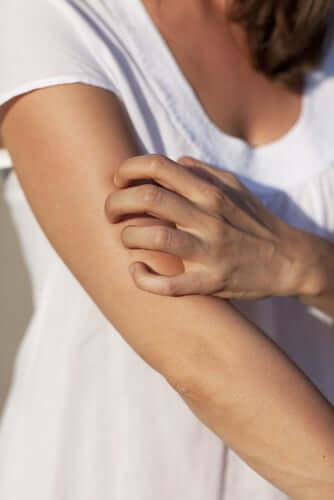
Here's the thing about naturally derived ingredients: natural doesn't automatically mean gentle. Most AHA products on the market are formulated for resilient skin that can handle stronger concentrations and lower pH levels. Common adverse reactions include swelling, burning, and pruritus (itching), particularly when products aren't properly formulated for sensitive skin types.
The problem lies in how most AHAs are formulated. pH levels directly impact both efficacy and irritation potential. Many brands push for lower pH formulations to maximise exfoliation, but this aggressive approach can damage your skin barrier, especially if it's already compromised.
There's also the sun sensitivity issue. The FDA notes that AHA use increases skin sensitivity to UV radiation, making proper sun protection essential. For sensitive skin that's already reactive, this added vulnerability can be a dealbreaker.
Meet pink pomelo: the AHA that plays by different rules
We took a different route entirely. While researching gentler options, we discovered pink pomelo extract offers something different.
Pink pomelo contains naturally occurring alpha-hydroxy acids, primarily citric, tartaric and malic acids. The difference? Pink pomelo's natural acid balance creates effective exfoliation without the aggression.
We've taken this naturally gentle AHA and paired it with two powerhouse ingredients that transform how it works on your skin. First, kaolin clay draws out impurities without stripping your skin. Then our star botanical, copaiba, brings its renowned blemish-fighting and calming properties to the mix. The result is a mask that delivers all the benefits of AHA exfoliation while actively soothing your skin.
Making AHAs work for your sensitive skin
If you're ready to try AHAs but worried about reactions, here's how to do it safely:
Start slowly. Introduce AHA products gradually to allow your skin to build tolerance. Once or twice a week is plenty to begin with. You can increase frequency as your skin adjusts.
Choose the right concentration. For sensitive skin, look for fruit-derived AHAs rather than synthetic glycolic acid, regardless of percentage.
Always patch test. Apply two drops in the crook of your elbow and wait at least 24 hours, or even 48 hours, to observe any possible reaction. If your skin stays calm, you're good to go.
Sun protection is non-negotiable. Use AHA products in your evening routine and always apply SPF the next morning. Continue sun protection for up to a week after your last application. Try our British Summer Time SPF 30 for mineral protection that won't irritate sensitive skin.
Listen to your skin. Mild tingling on first application can be normal, but burning, persistent redness, or irritation means you need to stop and reassess. Your skin's comfort always comes first.
The bottom line on AHAs
AHAs can be brilliant for achieving smoother, brighter, clearer skin. But for those of us with sensitivity, the key is finding formulations designed with our skin in mind. That means gentler acid types, careful pH balance, and supporting ingredients that calm while they clarify.
The right AHA shouldn't feel like a battle. It should work with your skin, not against it. Because sensitive skin deserves all the benefits of modern skincare science, just delivered more thoughtfully.
Have you tried AHAs on your sensitive skin? I'd love to hear about your experience.
Sarah