
Scars: the science of how skin heals (and how to help it along)
We all have scars. Kitchen accidents, chicken pox, surgery - each one tells a different story and heals differently.
No two scars are the same. There's a big difference between an acne scar and a post-surgery scar, for example. What's happening beneath the surface determines how you should treat them.
The biology of scar formation
A scar is fibrous tissue that forms after the skin has been broken, burned, or otherwise compromised.
When skin is damaged, your body launches an immediate repair response. White blood cells rush to the area to fight infection. Fibroblasts (the cells that produce collagen) go into overdrive, creating new collagen fibres to knit the wound together.
This collagen is different from the collagen in normal skin. It's laid down quickly and in parallel bundles rather than the basket-weave pattern of healthy skin. That's why scars look and feel different.
After about three months, the remodelling phase begins. Some excess collagen breaks down, blood vessels that were feeding the repair process recede, and the scar begins to soften, smooth, and fade. This process can continue for up to two years.

Types of scars and their characteristics
Flat scars
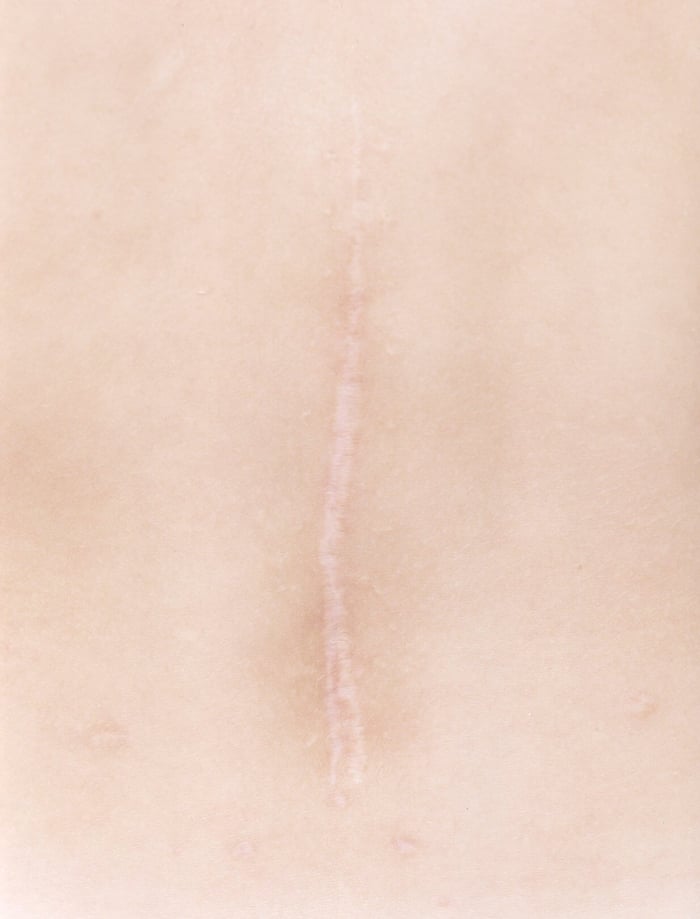
The most common type. These appear as thin lines on the skin, often pink at first then fading to match surrounding skin tone. Surgical scars typically fall into this category when they heal well.
Contracture scars
Often resulting from burns. The skin physically contracts and tightens as it heals, which can limit movement if the scar covers a joint. The collagen fibres pull the wound edges together more aggressively than in other scar types.
Keloid scars
Raised, firm scars that extend beyond the original wound boundary. They occur when fibroblasts don't get the signal to stop producing collagen. More common in people with darker skin tones and in areas like the chest, shoulders, and earlobes.
Atrophic scars
Sunken or pitted scars where the skin couldn't regenerate tissue fully. Common with acne scarring and chicken pox. The inflammatory process damages the underlying collagen structure, leaving depressions.
The science of scar improvement
Scars are permanent - they're literally a different type of tissue. But their appearance improves dramatically with the right approach.
Dermatologists often recommend ingredients that boost collagen remodelling, such as prescription treatments. For sensitive skin or active acne, these treatments often trigger more inflammation than improvement.
Hydration keeps scar tissue supple. Omega-rich oils work particularly well because they provide the building blocks skin needs for healthy regeneration. The fatty acid profile matters: linoleic acid helps restore barrier function, while natural trans-retinoic acid (found in rosehip) supports cellular turnover without the irritation of synthetic versions.

Why extraction method matters for scar care
Not all plant oils are created equal. Most rosehip oils on the market use cold-pressing, which damages many of the active compounds through oxidation. Our Rosehip Bioregenerate uses CO2 supercritical extraction instead, preserving the full spectrum of regenerative compounds.
In clinical testing, 63.3% of participants saw significantly improved scar appearance after using Rosehip Bioregenerate for four weeks.* The combination of omegas 3, 6, and 9, plus naturally occurring vitamin A and lycopene, supports the skin's remodelling process.
How to care for healing scars
Once your scar has closed and shows no signs of scabbing, you can start active scar care:
Apply 2-3 drops of Rosehip Bioregenerate to the area daily. Gently massage in circular motions. This increases blood flow to the area and helps the oil penetrate.
For newer scars (under six months old), consistency is key. The remodelling phase is when you can have the most impact on final appearance.
For body scars, our Soothing Body Cream combines rosehip with jojoba and vitamin E for larger areas. The jojoba mimics skin's natural sebum, helping other actives penetrate more effectively.
Most importantly: never pick or scratch at healing tissue. It disrupts the collagen matrix that's forming and can worsen scarring. If a scar itches (common during healing), apply oil and gently press with your palm rather than scratching.
When to seek professional help
While topical care can significantly improve scar appearance, some scars benefit from professional treatment. Keloid scars may need corticosteroid injections. Deep atrophic scars might respond better to professional treatments like microneedling or laser therapy.
A dermatologist can assess your specific scar type and recommend appropriate treatments. But for most scars, consistent care with quality, omega-rich oils makes a visible difference.
The key is patience. Skin remodelling happens slowly. Give any scar care routine at least three months before assessing results. Your skin is remarkably capable of improvement when given the right support.
*Of 31 participants who pre-qualified as having scars. Improvement characterised as significantly improved scar appearance. Research conducted by Alba Science Analytics for Pai Skincare, July 2016.