
Hyaluronic acid sits in nearly every skincare routine worth its salt. The reason? Its extraordinary ability to hold onto moisture. Because it plays beautifully with sensitive skin, we formulate with it constantly for dry and dehydrated complexions. Few ingredients can match it when it comes to locking in hydration.
Here's everything worth knowing about this hydration hero and how to make it work harder for your skin.
What is hyaluronic acid?
First things first: hyaluronic acid isn't really an acid. It's a glycosaminoglycan, which is a polysaccharide. In plain English? A very large sugar molecule that naturally exists in your skin and joints. Known for being hydrophilic (water-loving), it plays a massive role in keeping skin plump and hydrated.
You'll often see claims that hyaluronic acid can hold up to 1,000 times its weight in water. The reality is more nuanced. Different molecular weights hold different amounts. High molecular weight HA (above 1 million daltons) forms a protective film on skin's surface. Medium weight (10,000 to 1 million daltons) penetrates the upper epidermis. Low molecular weight (below 10,000 daltons) can reach deeper skin layers. Each delivers hydration differently, which is why the smartest formulations use multiple weights.
We typically formulate with lower molecular weights because they're smaller and penetrate skin more effectively while still binding water brilliantly. The exception? Our Hyaluronic Acid Hydrating Booster, which uses multiple molecular weights to create a hydration gradient from surface to dermis.
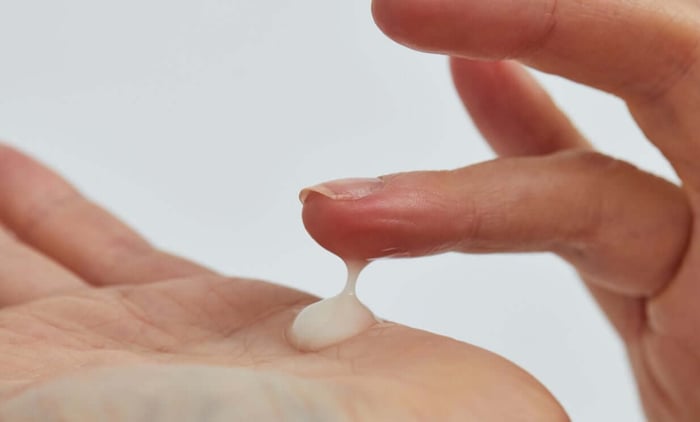
How hyaluronic acid transforms your skin
Hydrates at every level
As a powerful humectant, hyaluronic acid doesn't just attract moisture. It holds onto it. It pulls water from the environment and your other skincare products, then locks it in to reduce transepidermal water loss (TEWL). The result? Skin that stays hydrated hour after hour.
Strengthens your skin barrier
Moisture matters because your skin barrier needs it to function. Think of your barrier as the bouncer at an exclusive club. It keeps the good stuff in while batting away environmental aggressors. Hyaluronic acid helps maintain your lipid barrier by holding moisture where it's needed. Essential for sensitive or sensitised skin.
Delivers that dewy glow
Hydrated skin looks healthy and luminous. Dry, dehydrated skin looks dull, flaky and flat. Add hyaluronic acid to your routine and watch the difference. It's instant gratification that actually lasts.
Balances oily skin
Plot twist: oily skin often signals dehydration. When skin gets stripped of natural oils, it panics and overproduces sebum. Hello, breakouts. Well-hydrated skin stays balanced and breaks out less. Another reason this ingredient works for every skin type.
Plumps fine lines
As we age, our natural hyaluronic acid reserves degrade. We produce less of it. Skin gets drier, lines become more visible. Topping up HA levels through skincare helps skin look plump, bouncy and radiant.
Who benefits most?
Everyone. All skin types and ages benefit from hyaluronic acid. Those prone to dehydration or dryness will see the most dramatic difference. We use an all-natural form that's incredibly well tolerated. Plus, every formula in our range is clinically proven suitable for sensitive skin.
Our hyaluronic acid heroes
Age and environment both impact your skin's natural hyaluronic acid levels. Extreme temperatures, central heating, air conditioning. They all steal moisture. The good news? You can replenish HA topically through skincare, and it penetrates easily.
Here's how to build hyaluronic acid into your routine for maximum hydration.
Start with boosters and serums
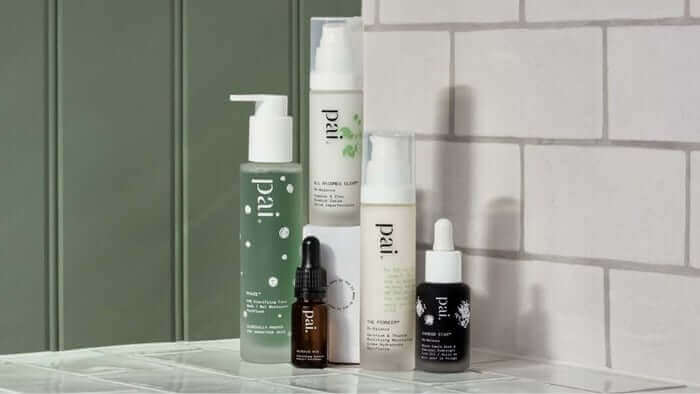
Hyaluronic Acid Hydrating Booster
Our most concentrated HA dose. This booster contains high and low molecular weights to hydrate at multiple depths simultaneously. Apply directly onto damp skin for intense hydration, or mix into serums and moisturisers to supercharge your existing routine.
Back To Life Jojoba Hyaluronic Acid Hydrating Serum
Like a glass of water for thirsty skin. This soothing serum combines hyaluronic acid with antioxidant-rich berries to support your barrier while flooding skin with moisture. Perfect for dehydrated, tight, uncomfortable skin.
Layer with treatments
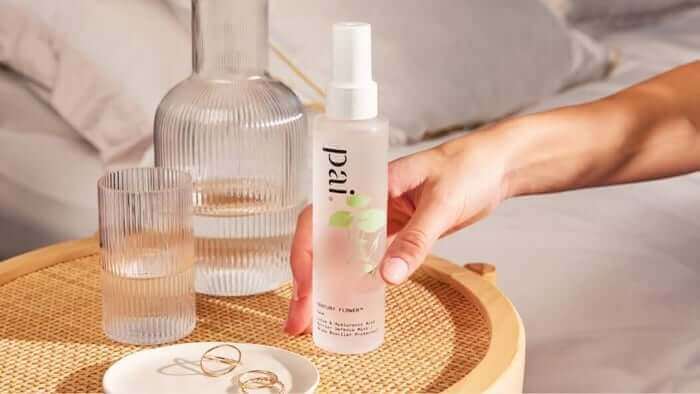
Century Flower Barrier Defence Mist
This alcohol-free mist deeply hydrates with hyaluronic acid and lotus root water. Spritz between skincare steps to help products penetrate deeper, or throughout the day to lock in moisture and strengthen your barrier.
The Impossible Glow Hyaluronic Acid & Sea Kelp Bronzing Drops
Our first skin-meets-makeup hybrid. These illuminating drops deliver instant bronze radiance while hyaluronic acid hydrates and plumps from within.
Lock it in with moisturisers
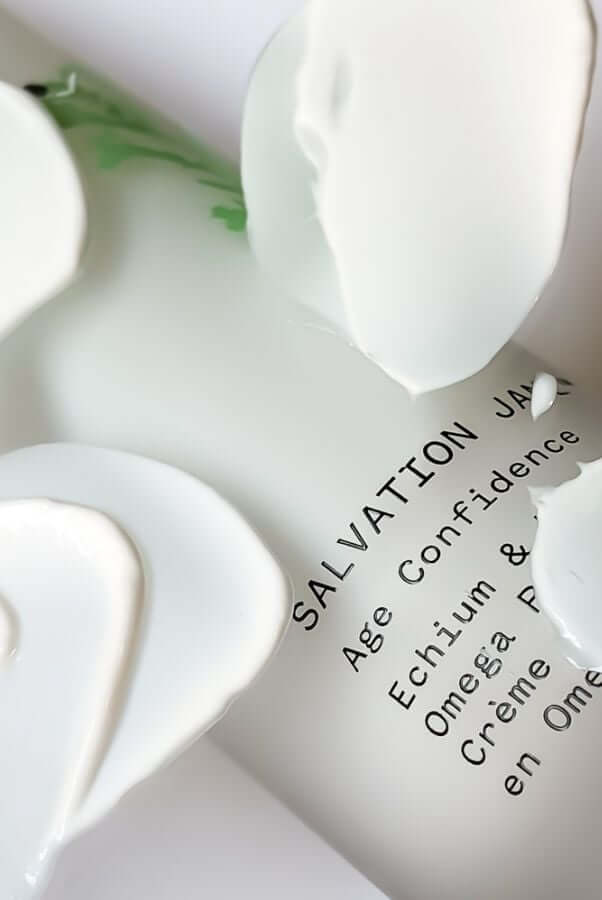
Salvation Jane Echium & Hyaluronic Acid Omega Rich Moisturiser
For supple, plumped skin. This intelligent blend of omegas and antioxidants replenishes lost nutrients in dry, mature skin while hyaluronic acid delivers deep hydration.
Feather Canyon Echium & Hyaluronic Acid Eye Cream
Yes, your eyes need hydration too. This dedicated eye cream features all-natural hyaluronic acid with soothing echium for the delicate eye area. The precision tip delivers the perfect dose every time.

Making hyaluronic acid work harder
Apply HA to damp skin. Water on your face gives the hyaluronic acid something to grab onto immediately. Pat, don't rub. Let each layer absorb before adding the next.
Layer from lightest to heaviest. Start with your booster or serum, add your moisturiser, then seal everything with a few drops of face oil if your skin needs it. The oil creates a barrier that stops moisture escaping.
Use it twice daily. Morning and night. Hyaluronic acid is gentle enough for constant use and your skin will thank you for the consistency.
Consider your environment. In very dry climates or heated rooms, HA can actually pull moisture from deeper skin layers if there's none in the air. Combat this by misting your face first or using a humidifier.
Ready to transform your skin's hydration? Shop our hydrating skincare collection today.
Frequently Asked Questions
What exactly is hyaluronic acid and how does it hydrate skin?
Despite the name, hyaluronic acid isn't really an acid. It's a glycosaminoglycan, which is a large sugar molecule that naturally occurs in your skin and joints. It's hydrophilic, meaning it draws in and holds onto water, helping to reduce transepidermal water loss and keep your skin's moisture levels balanced.
Why does molecular weight matter when choosing a hyaluronic acid product?
Hyaluronic acid comes in low, medium and high molecular weights, and each penetrates to a different depth in the skin. Lower weights are smaller and penetrate more effectively, which is why Pai typically formulates with them. The exception is the Hyaluronic Acid 0.3% Hydrating Booster, which blends three molecular weights to create a hydration gradient that delivers moisture simultaneously at the surface, mid-level and deep epidermis.
Can oily or blemish-prone skin benefit from hyaluronic acid?
Absolutely. Oily skin is often a symptom of dehydration; when skin is stripped of moisture, it overcompensates by producing excess sebum, which can lead to breakouts. Keeping skin well hydrated with a humectant like hyaluronic acid helps rebalance oil production, making it genuinely useful for all skin types, not just dry ones.
What's the best way to add hyaluronic acid into an existing skincare routine?
You can layer it in at multiple points. Century Flower Barrier Defence Mist works as a hydrating spritz between skincare steps or throughout the day, while the Hyaluronic Acid 0.3% Hydrating Booster can be mixed directly into any serum or moisturiser for a concentrated dose. For a full hydrating serum step, Back To Life pairs hyaluronic acid with jojoba oil for deep hydration without irritation.
Does our skin's natural hyaluronic acid decrease with age?
Yes. As we age, our natural hyaluronic acid reserves degrade and production slows down, which contributes to drier, less plump-looking skin. Environmental factors like extreme temperatures also deplete levels. The good news is that hyaluronic acid penetrates skin easily when applied topically, so replenishing it through skincare is straightforward and effective.