
Those red bumps that pop up after shaving? They're proof that skin has a sense of irony. You've just spent ten minutes achieving silky-smooth skin, and within hours it's covered in angry-looking spots that itch, burn, and completely defeat the point.
The culprits are usually ingrown hairs (hairs that curl back into the skin instead of growing out) and razor burn (irritation from too much friction). Both happen when your skin's barrier gets disrupted by the blade. Add bacteria from a grimy razor or products packed with fragrance and alcohol, and those red bumps are practically guaranteed.
The good news? You can prevent most of them with a few smart tweaks to your routine.
Prep work: the difference between smooth and spotted
Dead skin cells are ingrown hairs' best friend. They trap hairs under the surface, forcing them to grow sideways instead of up. That's why exfoliation before shaving isn't optional.
Grab a dry muslin cloth or body brush and give your legs or underarms a proper buffing before you hit the shower. Circular motions, gentle pressure. You're shifting dead cells and lifting trapped hairs, not trying to scrub your skin raw.
After showering, lock in hydration with a rich body cream. Apply it daily, not just on shaving days. Well-hydrated skin is less likely to react badly to a blade.
Your razor is probably too old
Beauty editor Sali Hughes recommends changing your razor after just five uses. Five! Most of us are using razors that should have been binned months ago.
A dull blade doesn't slice cleanly through hair. It drags, tugs, and requires multiple passes to get the job done. Each pass increases irritation. Fresh blades mean fewer strokes, less friction, cleaner cuts.
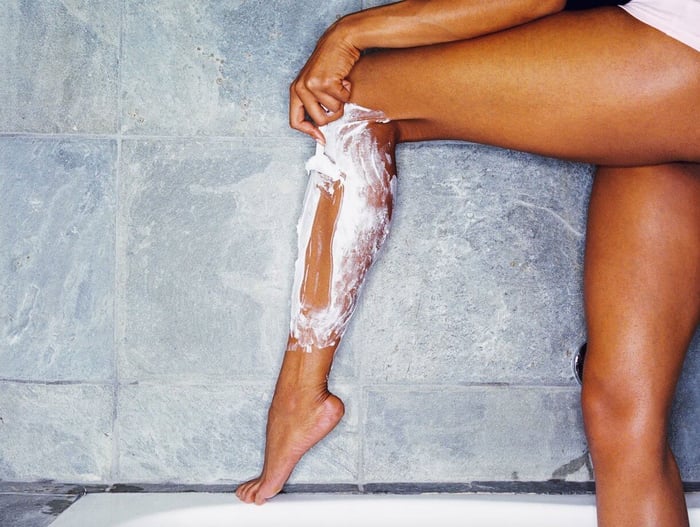
While you're switching to fresh blades, ditch the shaving foam. Most are packed with sulphates and synthetic fragrance that strip your skin's protective oils right when it needs them most. Try hair conditioner instead (seriously, it works brilliantly) or a scoop of coconut oil for the slipperiest shave of your life.
The 20-minute rule for post-shave repair
Your skin needs time to calm down after shaving. Slathering on products immediately can trap heat and bacteria in freshly opened pores. Wait 20 minutes before applying anything.
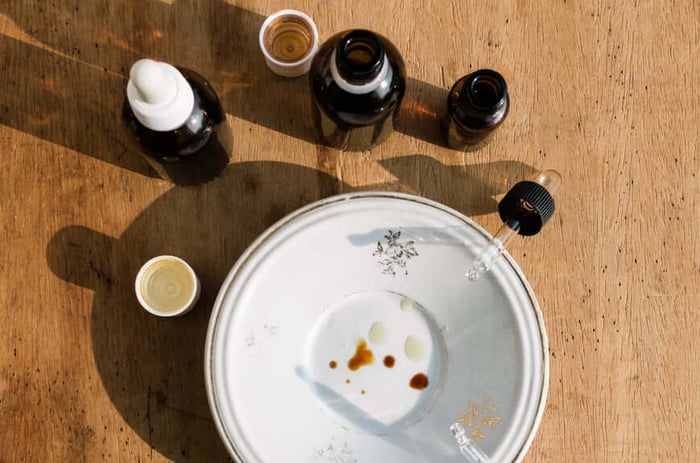
When you do moisturise, make it count. Mix a few drops of Rosehip Bioregenerate into your body cream. The CO2-extracted rosehip delivers trans-retinoic acid (nature's retinoid) to speed up skin repair and fade any old shaving nicks or pigmentation. Plus it conditions the skin so future shaves go more smoothly.
For particularly angry areas, apply the rosehip neat. It absorbs fast, doesn't leave you greasy, and the antioxidants get to work immediately on inflammation.
Quick fixes when bumps appear anyway
Sometimes, despite your best efforts, the bumps win. When they do:
Don't pick. Squeezing ingrowns spreads bacteria and guarantees scarring.
Cool it down. A cold compress reduces inflammation fast. Five minutes with a chilled flannel works wonders.
Keep it simple. Your skin is already irritated. Now's not the time for active ingredients or heavy fragrances. Stick to gentle, barrier-repairing products until the bumps calm down.
Give it a break. If possible, skip shaving for a few days. Let the hairs grow out naturally and the skin settle before going back in with the blade.
The bottom line
Red bumps after shaving aren't inevitable. They're a sign that something in your routine needs adjusting. Usually it's the prep (exfoliate first), the tools (fresh blades only), or the aftercare (wait, then nourish).
Get those three elements right and you can have genuinely smooth skin that stays that way. No angry bumps required.