
Oily, combination and blemish-prone skin types often get lumped together, but they're actually quite different.
Oily, combination and blemish-prone skin get lumped together, but they're actually quite different. These skin types often overlap and shift with the seasons, your hormones, and what you're putting on your face.
Oily skin: when your sebaceous glands work overtime
Oily skin produces more sebum than it needs. Your genetics set the baseline (if your parents had oily skin, you probably will too), and your sebaceous glands can be oversensitive to normal levels of testosterone, triggering increased oil production. During puberty, sebum production can increase up to 500 percent, with teenage boys typically producing more than girls.
The telltale sign is an oily shine across your forehead, nose and chin. These areas make up your t-zone. You might also see enlarged pores, whiteheads or blackheads in these areas. But stripping away all that oil with harsh cleansers actually makes things worse. Your skin panics and produces even more sebum to compensate.
Combination skin: the best and worst of both worlds
Combination skin is exactly what it sounds like. An oily T-zone with dry cheeks is the classic combination skin pattern. Some people are genetically predisposed to having overactive oil glands in certain areas of the face, particularly the T-zone, while other areas remain normal or dry.
The challenge with combination skin is finding products that won't overfeed your oily zones or parch your dry patches. This skin type isn't static. It can change with seasons, hormonal fluctuations, and age. Hormonal changes during puberty, menstruation, pregnancy, and menopause can affect sebum production, often intensifying combination skin characteristics.
Blemish-prone skin: when pores become battlegrounds
Blemish-prone skin is usually either oily or combination. Blemishes occur when dead skin cells, oil or dirt get trapped in your pores. When sebum production increases, it mixes with dead skin cells and clogs pores. These clogged pores provide an ideal environment for bacteria proliferation, particularly Propionibacterium acnes.
The difference between a simple clogged pore and an inflamed blemish comes down to what happens next. Blackheads are open comedones where the congestion has oxidised (not dirt, despite the name). Whiteheads are closed comedones trapped beneath a thin layer of skin. Add bacteria and inflammation, and a simple clog becomes an inflamed blemish.
What to look for in products
Rebalancing actives: The key to healthy skin is balance, particularly when your skin is overproducing oil. Look for ingredients that help regulate sebum production without stripping your skin bare. Our Geranium & Thistle Rebalancing Day Cream contains geranium to help reduce excess oil while calming any redness that often comes with blemish-prone skin.
Decongesting ingredients: Thistle oil has a decongesting effect on the skin while also reducing the appearance of large pores. This powerhouse ingredient works by helping to clear blocked pores without the harsh stripping action of traditional acne treatments.
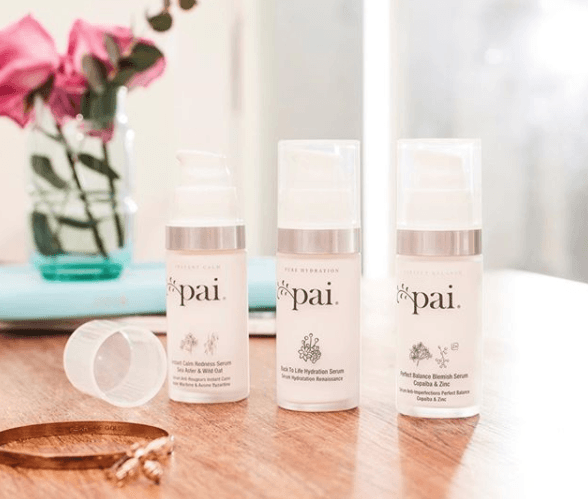
For targeted blemish control, our All Becomes Clear uses a clever combination of zinc and copaiba to calm inflammation and reduce bacteria without drying out your skin. And if you need extra help with stubborn spots, the Salicylic Acid 2% can be mixed into any serum or moisturiser for customised spot-fighting power.
What to avoid
Detergents: Steer clear of irritating foaming detergents like Sodium Lauryl Sulphate (SLS), Sodium Laureth Sulphate (SLES), Cocamidopropyl Betaine and Ammonium Laureth Sulphate. These strip away all your natural oils, sending your skin into panic mode and causing it to produce even more sebum to make up for the deficit.
Alcohol: Alcohol has a similar stripping effect on the skin. While it might feel satisfying to mattify oily areas with an alcohol-based toner, you're actually triggering more oil production in the long run. Your skin is smarter than you think.
Top tips for managing oily and combination skin
Embrace oils (yes, really): One of the most common misconceptions about oily skin is that you should avoid oils entirely. Actually, applying the right oils to your skin can help rebalance natural oil production. By adding a little oil to your skin, you're essentially telling it that it has enough and can slow down production.
Our Rosehip BioRegenerate is particularly popular with combination and oily skin types. Not only does it help regulate sebum production, but it also improves the appearance of blemish scars thanks to its naturally occurring trans-retinoic acid.
Look at your diet: A diet higher in meats, dairy, and alcohol correlates with higher sebum production. High sugar, dairy, and processed foods may trigger excess sebum. A huge number of skin problems stem from the gut, so it's always worth examining your diet if simple skincare switches aren't working. Eating a slightly alkaline diet helps minimise inflammation and keeps skin calmer and clearer. Avoiding refined sugar and saturated animal fats will also help steady sebum production.
Manage stress: Psychological stress triggers hormonal responses that affect sebum production. Stress triggers the release of cortisol, a hormone that can increase oil production. Finding ways to manage stress through exercise, meditation, or simply taking breaks can have a real impact on your skin.
Remember, oily and combination skin types aren't problems to be fixed. They're just your skin's way of protecting itself. Work with what you've got, not against it, and you'll find that balance comes much more easily.