
Facial mapping claims that different areas of your face correspond to different internal systems. Temple breakouts? Often blamed on a stressed bladder or digestive system. But if you're getting persistent spots between your hairline and eyes, the real culprits are usually much simpler.
Dehydration
Not drinking enough water causes your oil glands to go into overdrive. At your temples, where sebaceous glands cluster densely, this means excess oil production, clogged pores, and breakouts. It's pure biology: your skin tries to compensate for water loss by producing more oil.
The solution is straightforward: drink more water throughout the day. But also target dehydrated skin directly with Back To Life Hydration Serum. Its hyaluronic acid and prebiotic inulin quench skin's thirst while strengthening your barrier. For overnight repair, add a few drops to damp skin before bed.
Salt overload
Salty food demands water to balance the sodium. Without enough water, you're back to dehydration and excess oil production. Those late-night crisps? They show up as temple spots the next morning.
Smart snacking helps: pair salty foods with water-rich options. Peanut butter with celery sticks. Hummus with cucumber. This helps maintain proper hydration without triggering excess oil production.
Headwear habits
Helmets, hats, headbands. Anything that traps sweat against your temples creates a breeding ground for bacteria. Cyclists and gym-goers know this pattern well: headwear leads to trapped sweat, which leads to breakouts.
If you need headwear, cleanse immediately after removing it. PHAZE PHA Clarifying Face Wash is perfect here. Its PHA exfoliation clears trapped sweat and dead skin cells while prebiotic inulin rebalances your skin's microbiome. Use it on wet skin in the shower post-workout. Follow with All Becomes Clear, our zinc and copaiba blemish serum, to prevent future breakouts.
Hair products gone rogue
According to facialist Kate Kerr, mysterious temple breakouts often trace back to hair products. Serums, conditioners, hairsprays, and gels migrate from hair to skin, especially overnight. The usual suspects: synthetic fragrances, silicones, and panthenol.
Keep shampoo off your face while washing (especially if it contains sulphates). Avoid getting conditioner on your hairline. And check your ingredients: silicones and synthetic fragrances are prime pore-blockers.
Small red bumps around your hairline might not be acne at all, but folliculitis. This inflammation of hair follicles can be triggered by tight hairstyles, product buildup, or scratching. It responds well to gentle antibacterial care. Try products with tea tree oil and wash with lukewarm (not hot) water. If unsure, show your pharmacist.
Your sleep setup
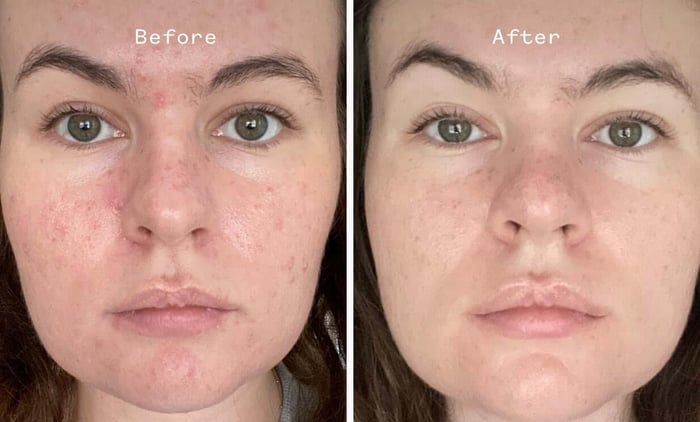
Perfect daytime skincare won't help if your night routine sabotages it. Hair touching your temples while you sleep transfers oil and product residue. The solution: wrap hair in a silk scarf or use a soft headband to keep it away from your face.
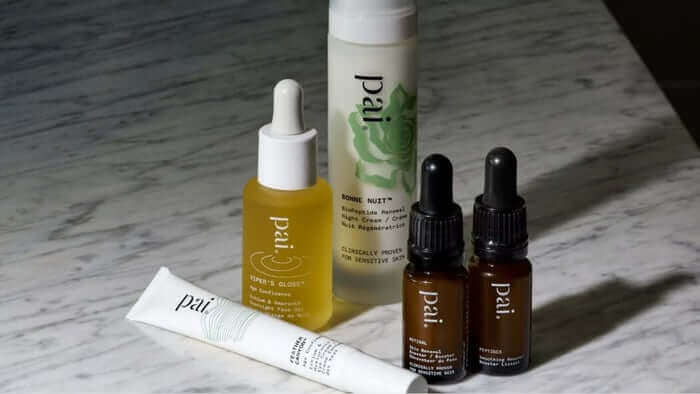
Add targeted overnight treatment with Carbon Star Detoxifying Overnight Face Oil. Black cumin seed oil kills acne bacteria, vegetable charcoal absorbs excess oil, and the Amazonian oil complex (copaiba, andiroba, acai) reduces inflammation. Apply 1-2 drops to clean skin. The oil turns from black to clear as it absorbs, working through the night to clarify and rebalance.
And yes, change your pillowcase more often. A lot of bacteria and sweat gets transferred from your hair (and face) to your pillowcase every night. You then rub your face in that bacteria. Fresh pillowcase = fewer spots. Simple.
Post-workout problems
Exercise makes your forehead the sweatiest part of your body. Those sweat glands around your hairline and temples clog easily, leading to what dermatologists call "acne mechanica" (basically, sweat-induced spots).
Shower quickly after exercise and cleanse thoroughly. Pack a travel-size skincare kit for the gym: PHAZE cleanser for immediate cleansing, All Becomes Clear serum for blemish prevention, and The Pioneer mattifying moisturiser to keep skin balanced without shine.
Free expert advice
Temple breakouts can have multiple triggers. Sometimes you need personalised guidance. Our Pai Skin Coaches offer free online consultations in 10 or 30-minute slots over phone or Zoom. They're trained to spot patterns, identify triggers, and build routines that actually work for your skin. Book your slot today.
Read more about what spots on different parts of your face mean here
FAQs
What causes spots on temples?
Temple spots typically result from dehydration (triggering excess oil production), hair product migration, trapped sweat from headwear, high salt intake, or overnight transfer of oils from hair to skin. The temple area has dense sebaceous glands, making it particularly prone to congestion.
How do I get rid of temple acne?
Start with proper hydration (water intake and hydrating skincare). Cleanse immediately after wearing helmets or exercising. Keep hair products away from your hairline. Use targeted treatments: PHAZE cleanser for daily clarifying, All Becomes Clear serum for daytime protection, and Carbon Star overnight oil for deep treatment. Change pillowcases regularly.
Why do I only get spots on my temples and nowhere else?
Temple-specific breakouts often point to external factors rather than internal imbalances. Common culprits: bike helmets, headbands, hair products migrating to skin, or sleeping with hair touching your temples. The concentrated sebaceous glands in this area make it particularly reactive to these triggers.
Can hair products cause temple breakouts?
Absolutely. Conditioners, serums, gels, and hairsprays contain ingredients (silicones, synthetic fragrances, panthenol) that clog pores when they migrate to skin. This happens during application, throughout the day, and especially overnight. Keep products away from your hairline and consider switching to silicone-free options.
Should I see a dermatologist for temple spots?
Most temple breakouts respond well to the targeted skincare routine above. See a dermatologist if: spots are painful cystic acne, you have small red bumps that might be folliculitis, breakouts persist despite consistent care for 6-8 weeks, or spots leave significant scarring. They can prescribe stronger treatments if needed.
Frequently Asked Questions
Why do I keep getting spots on my temples?
Temple breakouts commonly have a few key triggers: dehydration, headwear trapping sweat against the skin, hair product buildup, and not cleansing properly after exercise. When you're not drinking enough water, the oil glands at your temples can go into overdrive, clogging pores and causing breakouts.
Can hair products cause breakouts around my hairline?
Yes, and according to facialist Kate Kerr, they're one of the most common culprits behind mysterious temple and hairline breakouts. Serums, conditioners, hairsprays and gels can contain irritating fragrances, silicones and panthenol that build up and cause congestion. Try to keep shampoo off your face (especially sulfate-based formulas) and avoid letting styling products sit against the skin at your temples.
How can I prevent temple breakouts from headwear and exercise?
Cleanse the area as soon as you remove your helmet, hat or headband to stop trapped sweat from clogging pores. After exercise, shower promptly and cleanse thoroughly. Pai's PHAZE PHA Clarifying Face Wash works on wet skin, so it's ideal for a quick post-workout cleanse that gently exfoliates without stripping.
What's the difference between spots on my temples and folliculitis?
If you have small red bumps clustered around your hairline, it may actually be folliculitis rather than acne. Folliculitis is an inflammatory condition of the hair follicles, usually triggered by damage from scratching, tight hairstyles, or product buildup, and it's caused by a non-contagious fungal or bacterial infection. It's treatable at home with gentle antibacterial products, but it's worth showing a doctor or pharmacist if you're unsure.
What evening routine helps with temple breakouts?
Sleep with your hair pulled away from your face, and change your pillowcase regularly since bacteria and sweat transfer from your hair to the fabric overnight. Adding a targeted overnight treatment like Carbon Star Detoxifying Overnight Face Oil can also help. It uses Black Cumin Seed Oil and Vegetable Charcoal to fight bacteria, clear dead skin, and regulate sebum levels while you sleep.