
When you're facing cancer treatment, the last thing you need is skincare that makes things worse. Your skin becomes hypersensitive, reactive, unpredictable. Products that never bothered you before suddenly sting. Your tried-and-tested routine stops working.
We know this because so many of you have told us. You've written to us during treatment, asking for help with extreme dryness from chemo, tender skin from radiation, scarring from surgery. You've told us how hard it is to find products you can trust when your skin is at its most vulnerable.
While we'd always recommend consulting your oncologist or breast care nurse with any questions, we can share what we've learned about managing skin changes during treatment. Here's your practical guide to what to expect, what to avoid, and what actually helps.
How cancer treatment affects the skin
Your skin changes with every stage and type of treatment. Not everyone experiences the same effects, but certain patterns emerge: hypersensitivity hits almost everyone. Dryness follows chemotherapy. Radiation brings its own challenges.
Cancer treatments target rapidly dividing cells. Since skin cells naturally divide quickly, they're caught in the crossfire. The result? A compromised barrier, increased water loss, heightened reactivity. Your skin becomes more vulnerable to everything it encounters.
Surgery
After a lumpectomy or mastectomy, skin is tender and healing. The immediate priority is letting surgical sites seal completely. Don't apply anything to scars until they're fully closed and your surgeon gives the all-clear.
Once healed, the focus shifts to supporting skin regeneration and minimising scar appearance. This is where targeted treatments can help.
Chemotherapy
Extreme dryness is chemotherapy's calling card. Many patients describe skin that feels chronically dehydrated, tight, flaky. The drugs disrupt normal skin cell turnover, leaving the barrier compromised and unable to hold moisture effectively.
Some chemotherapy drugs also cause photosensitivity. Suddenly, even minimal sun exposure triggers reactions.
Radiation
Radiation has the most direct skin impact. The treated area becomes tender, sometimes developing temporary redness or hyperpigmentation. Your radiotherapy team will recommend specific products (often aqueous cream) during active treatment. Follow their guidance.
After radiation ends and skin begins healing, it often remains thinner and more reactive long-term. This skin needs ongoing support.
Post-treatment
Even after active treatment ends, hormone therapy and other medications continue affecting skin. Hot flushes, redness, menopausal-type symptoms are common. Some women find their skin actually improves once they've recovered, often because they're paying closer attention to skincare and overall health.
Ingredients to avoid during cancer treatment
Many women turn to Pai during treatment because our certified organic status guarantees products are free from ingredients they're trying to avoid. While research continues on many of these ingredients, some people prefer taking a precautionary approach.
Key ingredients to watch for:
Detergents & alcohol (SLS, Alcohol Denat)
Chemotherapy often brings extreme dryness. Detergents like Sodium Lauryl Sulphate (in foaming cleansers) and drying alcohols strip away natural oils, making dry skin worse. They also disrupt skin pH, causing further imbalance.
Parabens (Methylparaben, Propylparaben)
Some research suggests parabens may act as hormone disruptors. If your cancer is oestrogen-responsive, you might choose to avoid them.
Fragrance (Parfum)
"Parfum" on a label can hide hundreds of chemicals. Phthalates, which fix scent, are potential hormone disruptors. Fragrance is also a common irritant for sensitive skin.
Petrochemicals (Petroleum Jelly, Paraffinum Liquidum)
Found in many lip balms and moisturisers. The EU classifies petroleum as a potential carcinogen and limits its use. Since we apply these products repeatedly throughout the day, they're worth avoiding.
Formaldehyde-releasing preservatives
Watch for Sodium Hydroxymethylglycinate, DMDM hydantoin, Diazolidinyl Urea. These preservatives slowly release formaldehyde, a known carcinogen.
If you spot an unfamiliar ingredient, research it or ask us.
Products we recommend during and after treatment
For scarring
Effective scar treatment combines hydration with regeneration. Start from the inside: drink plenty of water and consider an omega supplement. For topical care, use a hydrating moisturiser like Love & Haight mixed with a few drops of regenerative oil.
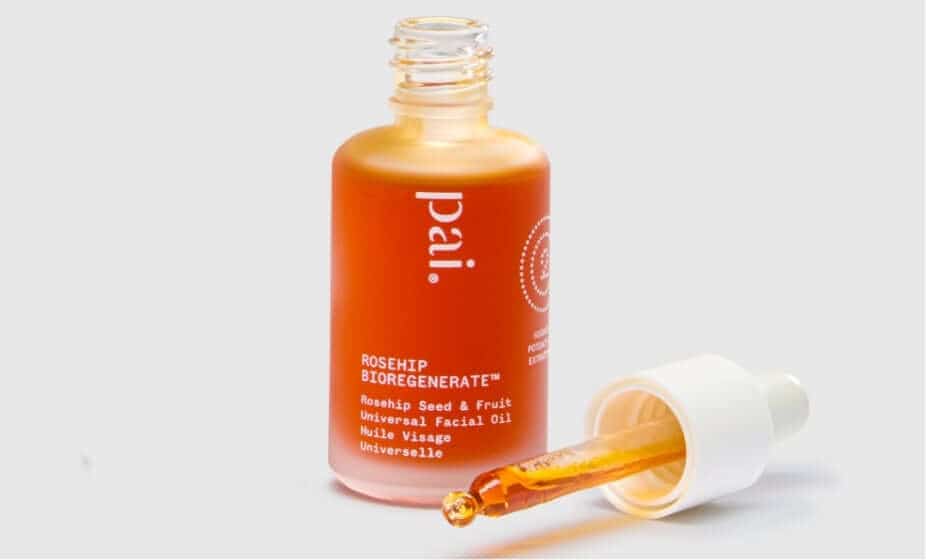
Rosehip BioRegenerate Oil is particularly effective for scars. Our CO2 extraction process preserves 700% more antioxidants than cold-pressed oils, delivering concentrated omegas 3, 6, 7 & 9 that support skin regeneration. Mix 2-3 drops into your moisturiser for enhanced healing support. Learn more about how scars form and heal.
For dryness
Chemotherapy-induced dryness requires multiple approaches. First, hydrate from within. If you can manage it, increase water intake significantly.
Keep Love & Haight moisturiser with you to reapply throughout the day. Its high water content (aqua is first on the ingredients list) delivers immediate relief, while jojoba and avocado oils provide lasting nourishment without heaviness.
Switch from foaming to cream cleansers. Skip bubble baths in favour of bath oils. This simple change reduces detergent exposure dramatically.
Gentle exfoliation helps too. Dead cells on the surface prevent moisturisers from absorbing properly. Use Virtuous Circle exfoliator once weekly, or simply use our organic muslin cloths with warm water for the gentlest option. Discover 10 ways to use muslin cloths.
Don't forget extremities. Hands and lips suffer particularly during treatment. Our Fragonia & Sea Buckthorn Hand Cream provides instant relief for cracked, sore hands. For lips, Head to Toe Hero creates a protective barrier without petroleum-based ingredients.
For photosensitivity
Treatment-triggered photosensitivity demands daily sun protection. British Summer Time SPF30 provides mineral-based protection specifically formulated for sensitive skin. No chemical filters, no irritating ingredients. Apply it every morning, even on cloudy days.
After radiation (once skin has healed), supporting regeneration becomes key. Mix Rosehip BioRegenerate Oil with Love & Haight moisturiser for maximum nourishment. The omega fatty acids help rebuild compromised skin.
For hot flushes
Drug-induced hot flushes feel like instant furnaces. Keep your environment cool. Wear cotton layers you can remove quickly. Look for products containing natural anti-inflammatories.
The Anthemis moisturiser contains CO2-extracted chamomile, which provides concentrated anti-inflammatory compounds. The cooling sensation on application offers immediate relief. Over time, consistent use of regenerative products like Rosehip BioRegenerate helps strengthen skin, making it less reactive to flushes.
For barrier support
Compromised barriers need ceramides. Our Instant Kalmer delivers a ceramide complex that helps rebuild the skin's protective layer. Use it as a treatment when skin feels particularly vulnerable, layering under your regular moisturiser.
Reading ingredients: your quick guide
Shopping for skincare during treatment shouldn't require a chemistry degree. Here's what to look for:
Shorter ingredients lists are generally better. Ingredients appear in order of concentration, so focus on the top half of the list. These make up most of the product.
Choose certified natural or organic products. The Soil Association/COSMOS mark is the gold standard. Organic ingredients are marked with asterisks. More stars mean more organic content.
Look for words like 'gentle', 'soothing', 'calming'. Avoid 'energising' or 'stimulating' products. You want formulations designed for sensitive skin, with recognisable ingredients like aloe or chamomile.
We're here to help
While we're not medical professionals (always speak to your oncologist about skin concerns), we understand sensitive skin. We've spent over 15 years formulating for hypersensitive, reactive, unpredictable skin.
If you need personalised advice for your skin during treatment, our coaches offer free online consultations via phone or video. No pressure to buy. Just honest help when you need it most.
Your skin might be going through hell right now. But with the right products and a bit of patience, it will find its way back. We're here to help you get there.
Frequently Asked Questions
How does chemotherapy affect your skin?
One of the main side effects of chemotherapy is extreme dryness. Many patients find their skin becomes chronically dry, dehydrated, and very flaky, particularly on the face. Some people also experience photosensitivity, though this is less common.
Which skincare ingredients should you avoid during cancer treatment?
Detergents like SLS and alcohol denat strip the skin of its natural oils and worsen dryness. Parabens and phthalates (often hidden under the term "Parfum") are thought by some to be potential oestrogen mimickers, so they're worth avoiding if your cancer is oestrogen responsive. Petrochemicals and formaldehyde-releasing preservatives like DMDM hydantoin are also best steered clear of.
What's the best way to manage extreme dryness from cancer treatment?
Hydrate from the inside out by drinking plenty of water, and keep a gentle moisturiser with a high water content on hand to reapply throughout the day. Swap foaming cleansers for cream cleansers to reduce detergent exposure, and use a very gentle exfoliator or muslin cloth to remove flaky skin so healthy cells underneath can absorb products properly. A hydrating moisturiser like Love & Haight, which is rich in jojoba and avocado oils that mimic the skin's own lipids, can help replenish lost moisture without heaviness.
How can you help scars heal after cancer surgery?
Wait until the scar is fully sealed before applying anything at all. Once it has healed over, combine a high water content moisturiser with a few drops of a regenerative oil. Rosehip BioRegenerate Oil is particularly good for scars as it contains Omegas 3, 6, 7 and 9, the building blocks of healthy skin.
What helps with hot flushes and redness after cancer treatment?
Products containing anti-inflammatory ingredients like chamomile are excellent for cooling and calming flushed skin. The Anthemis Soothing Moisturiser uses CO2-extracted chamomile, which preserves the full spectrum of anti-inflammatory compounds including bisabolol and matricin. Keeping cool with light cotton layers and avoiding overheating also makes a real difference, and over time, regenerative products like Rosehip Oil can help strengthen the skin and reduce the frequency of flushes.