
Waxing removes hair at the root, which sounds efficient until you realise it's also removing your skin's protective layer along with it. The uppermost layer of your epidermis gets disrupted every time that wax strip comes off, creating microscopic tears and openings. Bacteria love those.
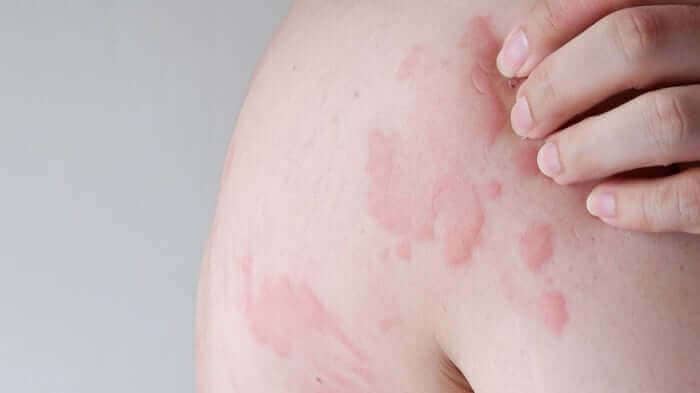
If you have sensitive skin, waxing is essentially controlled trauma. Your skin responds with inflammation, redness, and sometimes infection. For anyone with eczema or psoriasis, most dermatologists recommend avoiding waxing entirely. The risk of triggering a flare outweighs any aesthetic benefit.
But some people with sensitive skin wax successfully. The difference is in the details: the type of wax, the hygiene standards, and crucially, how you prepare and treat your skin before and after.
What happens to your skin during waxing
Hair follicles exist for a reason. They protect sensitive areas of skin from friction, bacteria, and environmental damage. When you wax, you're not just removing hair. You're disrupting the follicle structure and the surrounding tissue.
Waxing literally strips away that protective layer, disrupting follicle structure and surrounding tissue. The mechanical action of wax adhesion and removal causes immediate inflammation in the dermis. Your skin interprets this as injury and responds accordingly: increased blood flow (redness), fluid accumulation (swelling), and activation of inflammatory pathways.
This inflammatory response can trap bacteria beneath the skin surface. Combined with the micro-tears in your stratum corneum, you've created ideal conditions for folliculitis (infected hair follicles), bacterial colonisation, and ingrown hairs. The more sensitive your skin, the more dramatic this response.
Choose your wax (and your salon) carefully
Not all waxes are equal when it comes to sensitive skin. Strip wax, the most common type, adheres to both hair and skin. It's efficient but aggressive. Every pull removes skin cells along with hair.
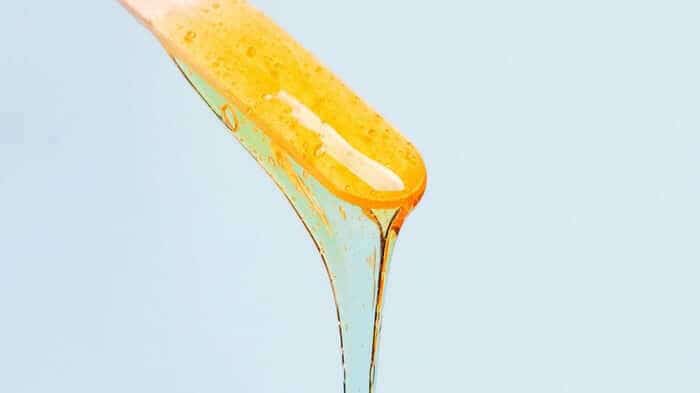
Hard wax works differently. Applied warm, it shrink-wraps around the hair shaft as it cools, gripping the hair but not the skin. No strips needed. The result is significantly less trauma to your epidermis. If you have sensitive skin and insist on waxing, hard wax is your only sensible option.
Ingredients matter too. Many salon waxes contain synthetic fragrances, dyes, and preservatives that can trigger reactions in sensitive skin. Ask what's in the wax. Better salons will offer fragrance-free, hypoallergenic formulas. The best will patch test on request.
Hygiene is non-negotiable. Watch your therapist. If they double-dip the applicator into the wax pot, leave. Every dip introduces bacteria from previous clients' skin into the wax. Those bacteria multiply in the warm environment. A hygiene-conscious salon uses a fresh applicator for every single application. Yes, it costs more. Yes, it's worth it.
Prep your skin to minimise damage
The state of your skin before waxing determines how it responds. Dehydrated skin tears more easily. Over-exfoliated skin is already compromised. The sweet spot is skin that's well-hydrated but not freshly exfoliated.
Stop using prescription treatments, AHAs, or physical exfoliants three days before waxing. These ingredients thin the stratum corneum, making it more vulnerable to lifting. Continue hydrating with a gentle moisturiser, but switch to something basic. The Anthemis works perfectly here. Its chamomile CO2 extract actively reduces inflammation while the fatty acid blend reinforces your barrier.
On waxing day, arrive with clean, dry skin. No lotions, oils, or deodorant in the area being waxed. These create a barrier between wax and hair, leading to poor adhesion and repeated passes. More passes equals more trauma.
The 48 hours after waxing are critical
Your skin is essentially wounded after waxing. Those micro-tears need time to heal, and your inflammatory response needs calming. What you do in the first 48 hours determines whether you heal cleanly or develop complications.
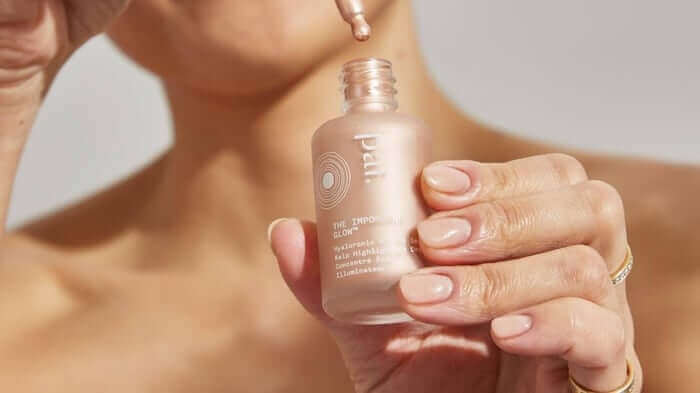
Immediately after waxing, apply something that actively reduces inflammation. Our The Gemini with 10% niacinamide is ideal. Niacinamide dampens inflammatory pathways while supporting barrier repair. The lightweight serum absorbs without occluding pores, which is crucial when follicles are vulnerable.
Avoid heat for 48 hours. No hot showers, saunas, or intense exercise. Heat dilates blood vessels and increases inflammation. It also makes you sweat, and sweat plus compromised follicles equals infection risk.
Skip tight clothing over waxed areas. Friction irritates inflamed follicles and can drive bacteria deeper into the skin. Loose cotton lets skin breathe and heal.
Continue using anti-inflammatory skincare morning and night. The Soothing Body Cream combines comfrey (allantoin for wound healing) with calendula (anti-inflammatory triterpenes). Together they accelerate recovery while preventing secondary irritation.
Know when waxing isn't worth it
Some skin simply cannot tolerate waxing safely. If you have active eczema, psoriasis, or rosacea in the area, don't wax. The trauma will almost certainly trigger a flare that lasts weeks.
If you're using prescription treatments or certain antibiotics that photosensitise skin, waxing can cause severe lifting and scarring. Wait until you've been off these medications for at least a month.
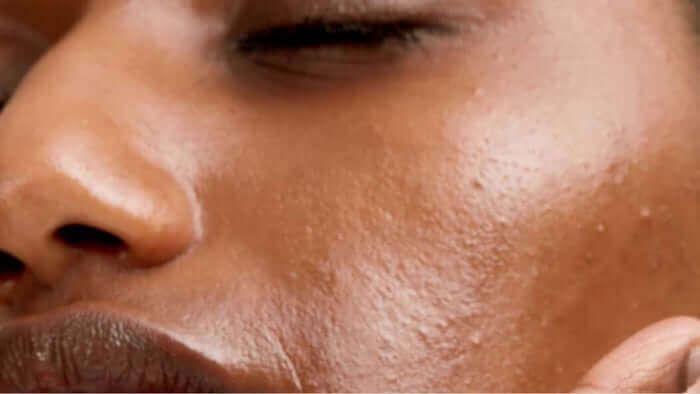
Repeated inflammation from waxing can lead to post-inflammatory hyperpigmentation, especially in darker skin tones. If you notice dark marks appearing where you wax, your skin is telling you to stop.
Gentler alternatives that actually work
Threading pulls hair from the root like waxing but without any product touching your skin. The only contact is cotton thread. For facial hair removal on sensitive skin, it's significantly less traumatic than waxing.
Epilators have improved dramatically. Modern devices pull multiple hairs simultaneously with less skin contact than waxing. The sensation takes adjustment, but the reduced inflammation makes it worthwhile for sensitive skin.
Sometimes the simplest option is best. A sharp razor with proper technique causes minimal inflammation. Middlemist Seven makes an excellent shaving cream substitute. The oil cleansing base provides slip while the camellia oil conditions skin during shaving. No sulphates, no foam, no irritation.
For those who want longer-lasting results without trauma, professional laser hair removal has become more accessible and effective for all skin tones. The right laser for your skin type can achieve permanent reduction with less cumulative inflammation than years of waxing.
The sensitive skin reality check
Sensitive skin and waxing have a complicated relationship. It's possible to wax successfully with reactive skin, but it requires more preparation, better technique, and religious aftercare than normal skin. Every shortcut increases your risk of a reaction that lasts far longer than smooth skin is worth.
Waxing and sensitive skin have a complicated relationship. If you're spending a week healing from each wax appointment, dealing with ingrown hairs, or seeing hyperpigmentation develop, your skin has already answered that question.
Listen to it.
Frequently Asked Questions
Is waxing bad for sensitive skin?
Waxing can be problematic for sensitive skin because it strips away the protective layer of body hair and causes tiny tears in the skin's uppermost layer, allowing bacteria to permeate. This can lead to inflammation, skin infections, follicle infections, and ingrown hairs. Those with eczema or psoriasis are generally encouraged to avoid waxing altogether.
What type of wax is best for sensitive skin?
Hard wax is generally considered the best option for sensitive skin. Unlike strip wax, hard wax is applied hot, hardens in place, and sticks to the hair itself rather than the skin, making it gentler overall. Always ask your salon for a patch test beforehand, and make sure your therapist uses a fresh spatula for each application to avoid spreading bacteria.
How can I soothe my skin after waxing?
Applying a skin-soothing cream with anti-inflammatory properties right after waxing helps calm irritation and supports skin repair. Pai's Polly Plum Comfrey & Calendula Calming Body Cream is a good option, as its anti-inflammatory properties help calm the skin and regenerate any areas damaged during hair removal.
What are gentler alternatives to waxing for reactive skin?
Threading and epilation are both kinder to sensitive skin because they remove hair mechanically without applying any product to the skin's surface. You can also try using Pai's Middlemist Seven cleanser as a shaving cream. It's a 100% detergent-free cream cleanser made with camellia, castor, and sweet almond oils, so it provides a protective, nourishing barrier between the razor and your skin.
Why does waxing cause ingrown hairs and skin infections?
Waxing triggers inflammation in the skin, and that inflammation can trap bacteria beneath the surface. Those trapped bacteria are what lead to skin infections, hair follicle infections, and ingrown hairs. Double-dipping the wax applicator makes things worse by introducing bacteria from one person into the shared pot, so always check that your salon uses a fresh spatula for every application.