
Alcohol gets a bad rap in skincare circles, and for good reason. But like most things in cosmetic chemistry, the truth is more nuanced than "alcohol bad, no alcohol good."
Here's what you actually need to know about alcohol in your skincare, why some types wreck sensitive skin, and which ones are secretly doing you favours.
Why alcohol shows up in your skincare
Alcohol serves three main purposes in cosmetic formulation, and they're all about making products work better (for the manufacturer, not necessarily for you).
First, it's a penetration enhancer. Alcohol breaks down your skin's lipid barrier temporarily, allowing other ingredients to sink in faster. Sounds helpful until you realise it's essentially punching holes in your skin's defences.
Second, it's a texture magician. That lightweight, fast-absorbing feel in many serums? That's alcohol evaporating and taking the watery components with it, leaving active ingredients behind. It makes heavy formulations feel elegant, which is why luxury brands love it.
Third, when used at concentrations up to 20%, it acts as a preservative and solvent for fragrances. Natural and organic brands sometimes rely on it as an alternative to synthetic preservatives. The catch? At those concentrations, it's brutal on skin.
The alcohols that wreck sensitive skin
Not all alcohols are created equal. The ones to avoid are the simple, short-chain alcohols: alcohol denat (denatured alcohol), ethanol, ethyl alcohol, isopropyl alcohol, and SD alcohol.
These volatile alcohols evaporate quickly, which creates that instant-dry finish brands market as "mattifying" or "oil-control." What's actually happening? They're stripping your skin's natural lipids, disrupting your barrier function, and triggering inflammation.
The damage goes deeper than surface irritation. These alcohols:
Destroy your vitamin A stores. Research shows ethanol inhibits retinoid metabolism in skin cells. Since vitamin A is essential for cell turnover and collagen production, this accelerates ageing.
Trigger rosacea flares. Alcohol causes vasodilation (widening of blood vessels), which is why your face flushes after a glass of wine. Apply it topically and you're asking for redness, especially if you're rosacea-prone.
Create a vicious dryness cycle. Strip your barrier, your skin overproduces oil to compensate. More oil means more breakouts. More products with drying alcohol. Round and round we go.
Generate free radicals. As alcohol evaporates, it creates oxidative stress in skin cells. You're essentially ageing your skin faster while trying to make it look better.
The alcohols that actually help your skin
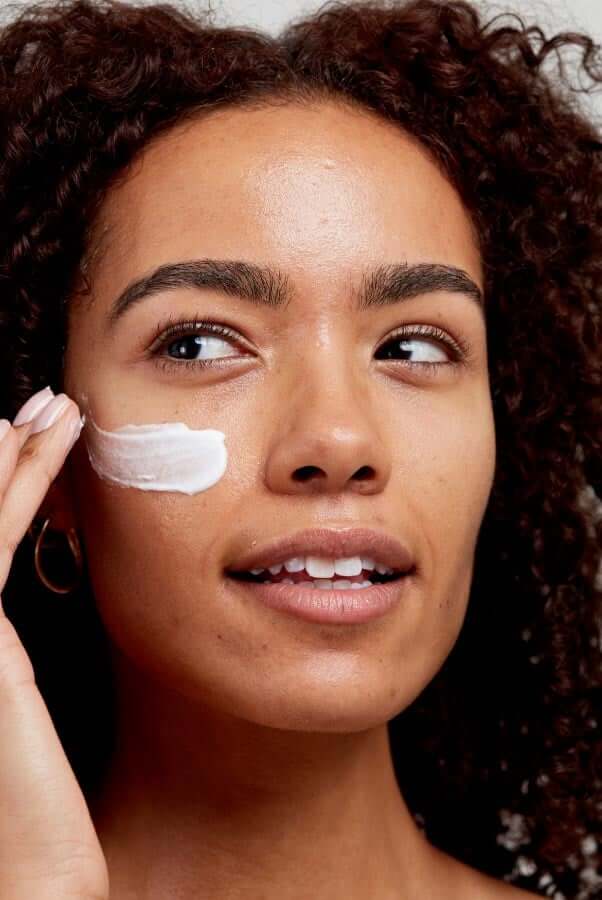
Now for the plot twist: some alcohols are brilliant for skin, especially sensitive types.
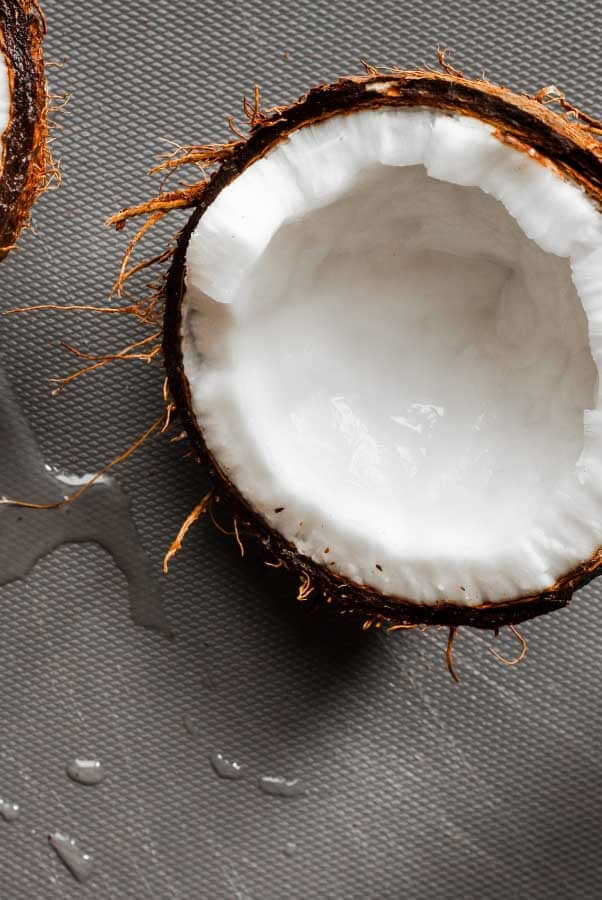
Fatty alcohols, including cetyl alcohol, cetearyl alcohol, and stearyl alcohol, are completely different beasts. These are long-chain alcohols derived from natural fats (we use coconut-derived versions). Instead of evaporating and taking your skin barrier with them, they:
Form protective films that prevent water loss without feeling heavy or occlusive
Act as emollients, filling gaps between skin cells to smooth rough texture
Stabilise formulations naturally, helping oil and water phases blend without synthetic emulsifiers
Actually strengthen your barrier by supplementing your skin's natural lipids
These alcohols are so gentle, they're approved for use in products for eczema-prone skin. If you see them on an ingredient list, they're doing good work.
How to spot the troublemakers
Reading ingredient lists is your first defence. Problematic alcohols usually appear in the first half of the ingredient list (ingredients are listed in descending order of concentration). If you see "alcohol denat" in the top five ingredients, that product will likely irritate sensitive skin.
The placement matters. A tiny amount of alcohol at the end of an ingredient list might be there to help dissolve plant extracts. Not ideal, but unlikely to cause major issues. Alcohol as the second or third ingredient? Your skin's in for a rough time.
Product type matters too. The worst offenders are:
Toners marketed as "clarifying" or "pore-refining" (often 40-60% alcohol)
Mattifying moisturisers and primers (that instant-dry finish comes at a cost)
Acne treatments (alcohol creates the illusion of "deep cleaning")
Certain sunscreens (alcohol helps them feel less greasy, but increases photosensitivity)
Why we formulate without drying alcohols
At Pai, we made the decision early on: no drying alcohols, ever. Not in tiny amounts, not as penetration enhancers, not to make products feel more elegant. If a formula needs alcohol to work, we reformulate until it doesn't.
Take our Century Flower Barrier Defence Mist. Most face mists contain alcohol to help ingredients penetrate and create that "refreshing" feel. We achieve deeper penetration through different chemistry entirely.
Our deep sea minerals are delivered in free ion form, encapsulated in protective hydration shells that reach the dermal layer in 23 minutes. No barrier disruption required. The mist strengthens your barrier instead of compromising it, using lotus root water to calm inflammation and prebiotics to support your skin's microbiome.
For cleansing, our Light Work Cleansing Oil dissolves makeup and sunscreen using plant oils that respect your lipid barrier. No alcohol needed to "cut through" oils when you're using the principle of like-dissolves-like instead.
What this means for your routine
If you have sensitive or reactive skin, eliminating drying alcohols from your routine can be transformative. But going cold turkey might reveal how much your skin was depending on that tight, matte finish to "feel" clean.
Your skin might feel different at first, perhaps less stripped, maybe even slightly richer. This is your natural lipid barrier rebuilding itself. Give it two weeks. Most people find their oil production normalises, redness calms, and that constant tight feeling disappears.
For those switching from alcohol-heavy products, start with the basics:
Replace your toner. If it stings or leaves skin feeling tight, it's doing more harm than good. A barrier-supporting mist adds hydration between steps instead of stripping it.
Check your moisturiser. "Oil-free" often means "packed with alcohol." True oil-control comes from balanced formulations that work with your skin, not against it. The Anthemis uses zinc PCA to regulate sebum without disrupting your barrier.
Rethink your cleanser. Gel cleansers that foam heavily often contain alcohol to boost that squeaky-clean feeling. Oil or cream cleansers remove everything you need them to while keeping your barrier intact.
The bigger picture
The alcohol debate highlights a fundamental problem in skincare: we've been conditioned to think effective means harsh. That sting means it's working. That stripped feeling equals clean.
It's the opposite that's true. The most effective skincare works with your skin's biology, not against it. Your barrier is there for a reason. Constantly assaulting it with alcohol, acids, and aggressive surfactants creates the very problems you're trying to solve.
Sensitive skin in particular needs formulations that understand this. Every ingredient should strengthen, not compromise. Support, not strip. That's not a limitation, it's intelligent formulation.
Next time you're evaluating a product, flip it over and check the ingredients. If alcohol's lurking near the top, ask yourself: is that instant gratification worth the long-term damage? Your skin already knows the answer.
Frequently Asked Questions
Is alcohol always bad for sensitive skin?
Not all alcohols are created equal. Drying alcohols like alcohol denat., ethanol and ethyl alcohol can dry skin, cause irritation and trigger rosacea flare-ups. But fatty alcohols (cetearyl alcohol and stearyl alcohol) are typically derived from vegetable sources like coconut, have a moisturising effect, and are very well tolerated by sensitive skin.
Why is alcohol denat. used in so many skincare products?
Alcohol denat. is commonly used as a 'natural' preservative in organic products and as a fixing agent for fragrances. The catch is it only works at high concentrations, up to 20%, which is why you'll often see it near the top of an ingredients list.
What damage can drying alcohols do to skin?
Drying alcohols strip moisture from the skin, cause irritation and can trigger rosacea flare-ups. They also prevent the absorption of Vitamin A, the lack of which promotes premature ageing. These are good reasons to steer clear, especially if your skin is already reactive.
What are fatty alcohols and why does Pai use them?
Fatty alcohols like cetearyl alcohol and stearyl alcohol are wax alcohols used as emulsifiers or thickeners in creams. Unlike drying alcohols, they actually have a moisturising effect on the skin and are usually naturally derived from vegetable sources such as coconut.
Does Pai make an alcohol-free face mist for sensitive skin?
Yes. Century Flower Barrier Defence Mist is formulated without alcohol (and without essential oils) specifically to add and lock in moisture by reducing Transepidermal Water Loss. An 11-woman clinical study showed it strengthens skin barrier function and reduces the occurrence of flare-ups, so it's a good option if drying alcohols have caused problems for you in the past.