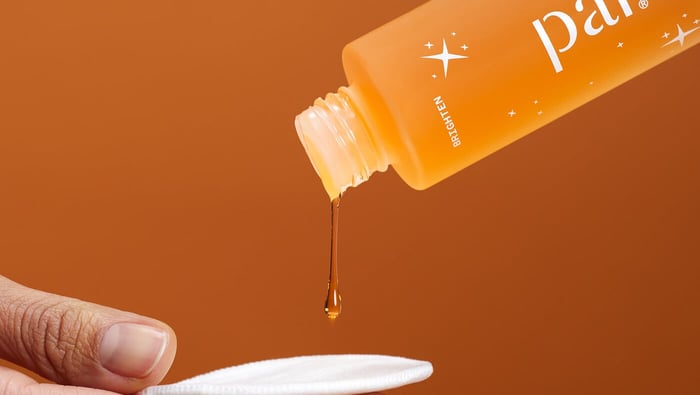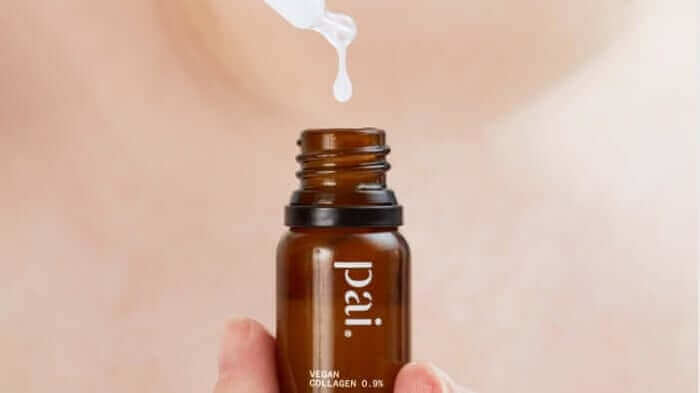

Vitamin C is the antioxidant that does everything. Brightens dull skin, softens fine lines, protects against pollution, fades dark spots. The research is rock-solid. The problem? Most vitamin C serums are designed to fail sensitive skin.
Here's your complete guide to vitamin C in skincare: what it actually does at a cellular level, why conventional formulas cause irritation, and how to get all the benefits without the sting.
What is vitamin C?
Vitamin C (ascorbic acid) is a water-soluble vitamin found naturally in citrus fruits, berries, and leafy vegetables. In skincare, it can be extracted from these natural sources or synthesised in a lab. Both work identically once they reach your skin cells.
The magic happens because vitamin C is one of the most potent antioxidants available in topical form. Oxidative stress drives most visible skin concerns: UV damage creates dark spots, pollution accelerates ageing, inflammation triggers breakouts. Vitamin C neutralises the free radicals behind all of this.
But antioxidant protection is just the start.
The benefits of vitamin C for your skin
Vitamin C works through multiple pathways in the skin, backed by decades of peer-reviewed research. Every skin type benefits, including the most sensitive.
Environmental protection
Your skin faces constant assault from UV radiation, pollution particles, and blue light from screens. These create reactive oxygen species (free radicals) that damage DNA, break down collagen, and trigger inflammation.
Vitamin C is a potent free radical scavenger. It donates electrons to neutralise these reactive molecules before they can cause damage. Research shows topical vitamin C reduces UV-induced cell damage and protects keratinocytes from oxidative stress. This is why dermatologists recommend vitamin C for daytime use, layered under SPF like British Summer Time SPF30.
Collagen synthesis and line softening
Vitamin C isn't just protective. It actively rebuilds skin structure. Here's how: vitamin C is an essential cofactor for proline and lysine hydroxylases, the enzymes that crosslink collagen fibres into stable structures. Without adequate vitamin C, your skin literally cannot make functional collagen.
Clinical trials show topical vitamin C increases collagen production in human skin. It also inhibits MMP enzymes (matrix metalloproteinases) that break down existing collagen. The result? Firmer skin, softer lines, better elasticity.
Texture refinement
That collagen boost does more than soften wrinkles. Healthy collagen creates smooth, even skin texture. As we age and collagen production naturally declines, skin becomes rougher and less uniform. Vitamin C helps reverse this by supporting the skin's structural proteins from within.
Brightening and tone evening
Vitamin C blocks tyrosinase, the enzyme that produces melanin in response to UV exposure or inflammation. By inhibiting this enzyme, vitamin C prevents new dark spots from forming while gradually fading existing hyperpigmentation.
Multiple studies confirm vitamin C reduces melanin production in human skin. One clinical trial found 3% ascorbyl tetraisopalmitate (the form we use) suppressed UVB-induced pigmentation after just three weeks. For targeted dark spot treatment, vitamin C works brilliantly alongside our Fade Forward Dark Spot Serum.
Post-inflammatory healing
Those red or brown marks left after spots heal? Vitamin C speeds their departure. Its anti-inflammatory properties calm irritated skin while the tyrosinase inhibition prevents excess melanin deposition. The result: clearer skin that heals without leaving marks.
Instant and long-term radiance
Vitamin C delivers both immediate and cumulative brightening. The instant effect comes from its mild exfoliating properties and antioxidant action. The long-term glow builds as melanin production normalises and skin texture improves. Dull, tired skin becomes luminous.

Vitamin C and sensitive skin: why most serums sting
If you have reactive skin, you've probably tried vitamin C and regretted it. Stinging, redness, peeling. The problem isn't vitamin C itself. It's how most brands formulate it.
L-ascorbic acid (pure vitamin C) is water-soluble and inherently unstable. It oxidises within hours of air exposure. To keep it stable long enough to reach your skin, formulators drop the pH to around 2.5-3.5. For context, that's more acidic than lemon juice.
This extreme acidity serves two purposes: it prevents the vitamin C from degrading, and it temporarily disrupts your skin barrier so the water-soluble molecule can penetrate. But that barrier disruption is exactly what sensitive skin cannot tolerate. The burn you feel? That's your acid mantle being compromised.
Higher concentrations make it worse. A 20% L-ascorbic acid serum needs even more stabilisers: sodium ascorbyl phosphate, ascorbyl palmitate, magnesium ascorbyl phosphate. Each stabiliser adds another potential irritant. The very mechanism that makes these serums "work" is what makes them intolerable for reactive skin.
The solution: oil-soluble vitamin C that doesn't need acid
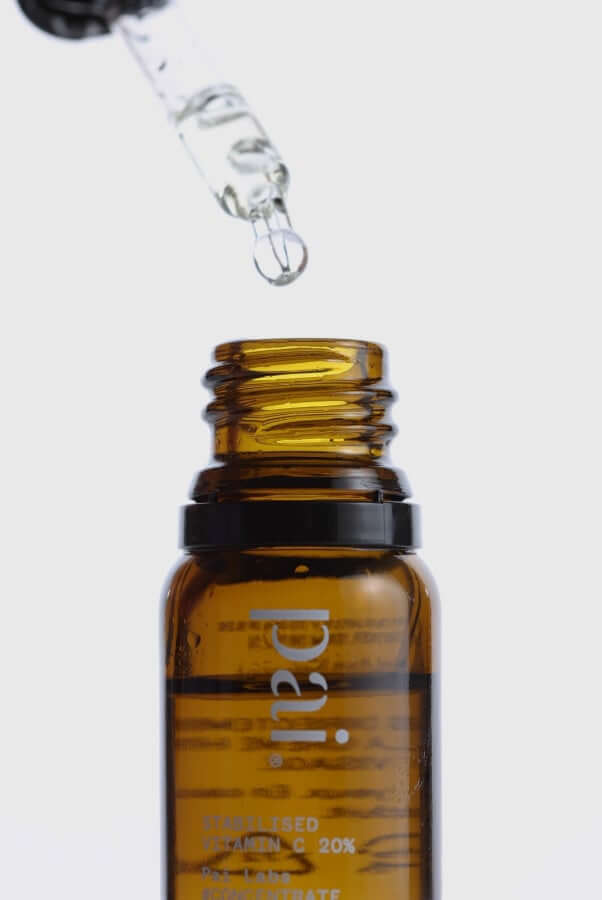
At Pai, we use ascorbyl tetraisopalmitate: a corn-derived, oil-soluble form of vitamin C that changes the entire equation. Because it's lipid-soluble, it passes through your skin's oil-based barrier naturally. No acid needed. No barrier disruption. No irritation.
The science is compelling. Studies show ascorbyl tetraisopalmitate delivers approximately 10 times more vitamin C into skin cells than L-ascorbic acid. Once absorbed, it converts to active vitamin C via your skin's own enzymes, providing a slow, sustained release. The vitamin C remains in your cells 40 to 80 times longer than water-soluble forms.
This isn't a compromise. It's superior delivery. You get more vitamin C where it counts (inside your cells), it stays active longer, and your skin barrier remains intact throughout. Our stabilised vitamin C products deliver results without the sensitising ride.
How to use vitamin C in your skincare routine
Vitamin C products come in every format: serums, moisturisers, cleansers, masks. Not all deserve space in your routine. Here's how to use vitamin C effectively without overloading sensitive skin.
Morning is optimal (but evening works too)
Apply vitamin C in the morning for maximum environmental protection. It creates an antioxidant reservoir in your skin that neutralises free radicals throughout the day. Layer it under sunscreen for enhanced photoprotection.
Evening application works differently. While you sleep, vitamin C supports your skin's overnight repair processes: boosting collagen synthesis, fading pigmentation, improving texture. Choose morning for protection, evening for regeneration, or both if your skin tolerates it.
Daily moisture with benefits
For everyday brightening, try C-2 Believe Vitamin C Brightening Moisturiser. It combines our stabilised ascorbyl tetraisopalmitate with upcycled bilberry seed oil (rich in barrier-supporting omegas) and prebiotic inulin to strengthen your skin while it brightens. In trials, 91% said their skin looked more radiant after two weeks. Read more about how our vitamin C moisturiser works.

Boost any product
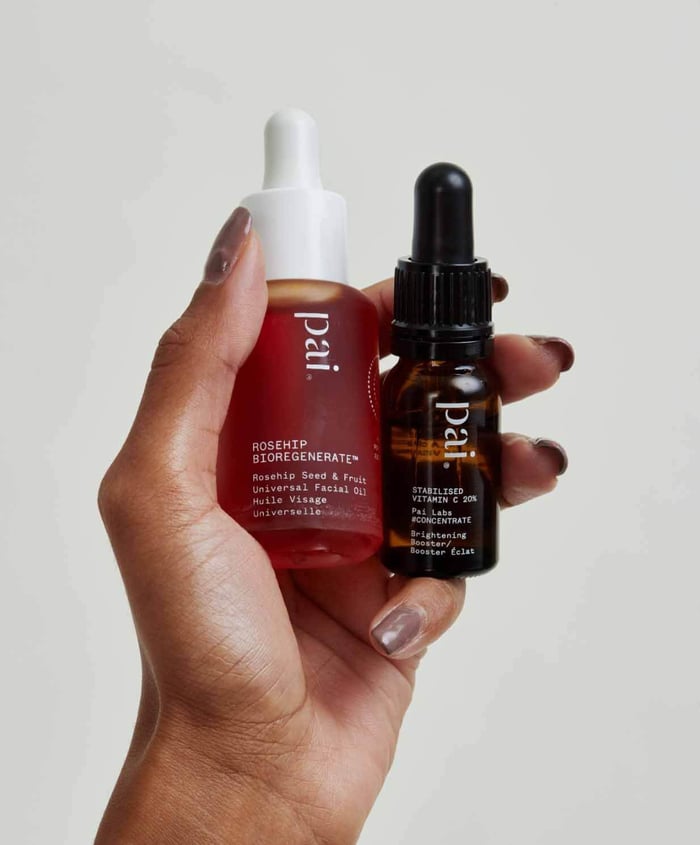
Want vitamin C benefits without changing your routine? Our Stabilised Vitamin C 20% Brightening Booster contains one of the highest concentrations available, in an oil base that mixes seamlessly with any moisturiser, serum, or face oil.
Just add 1-2 drops to your regular product. The 20% ascorbyl tetraisopalmitate delivers serious brightening power while prickly pear and blueberry seed oils provide additional antioxidants. Try it mixed with Rosehip BioRegenerate Oil for an overnight regeneration treatment that addresses pigmentation from multiple angles.
New to boosters? Learn how to customise your routine with concentrated actives.
Vitamin C works even better with friends
While vitamin C is powerful alone, certain combinations amplify its effects. Vitamin E is the classic partner: the two antioxidants regenerate each other, extending their protective lifespan in your skin. That's why our vitamin C booster includes tocopherol.
For stubborn pigmentation, layer vitamin C with other brightening actives. Our guide to retinol alternatives explains how rosehip's natural retinoids complement vitamin C's tyrosinase inhibition. For inflammation-triggered dark spots, combine vitamin C with soothing actives like ceramides or niacinamide.
SPF is vitamin C's essential daytime companion. While vitamin C provides antioxidant protection, only sunscreen blocks UV rays from reaching your skin. Layer vitamin C under SPF every morning for complete defence.
The vitamin C your sensitive skin has been waiting for
You shouldn't have to choose between effective skincare and comfortable skin. Our stabilised vitamin C products prove you can have both: serious brightening power, collagen support, and antioxidant protection, delivered in formulas that respect your skin barrier.
Whether you choose the daily moisture of C-2 Believe or the concentrated power of our 20% booster, you're getting vitamin C that works with your skin, not against it. Because the best vitamin C is the one you can actually use.
Ready to brighten? Shop our Stabilised Vitamin C 20% Brightening Booster and C-2 Believe Vitamin C Moisturiser, or book a free online skin consultation to build your complete routine.
Frequently Asked Questions
What are the main benefits of using Vitamin C on your skin?
Vitamin C is a powerful antioxidant that protects skin from environmental damage caused by UV rays and pollution, while also stimulating collagen and elastin production to plump fine lines. It evens out skin tone by blocking tyrosinase (the enzyme responsible for melanin production), which helps fade dark spots, reduce scarring, and boost overall radiance.
Can you use Vitamin C if you have sensitive skin?
Yes, but the form of Vitamin C matters enormously. L-ascorbic acid requires a low pH that causes stinging and irritation, especially on reactive skin. Oil-soluble forms like ascorbyl tetraisopalmitate are inherently stable, need no acidic pH to penetrate, and deliver Vitamin C slowly within skin cells, making them suitable for even the most sensitive skin types.
When should you apply Vitamin C in your skincare routine?
Morning is ideal because Vitamin C's antioxidant properties help defend your skin against UV rays and pollution throughout the day. Always layer SPF on top, as Vitamin C boosts but doesn't replace sun protection. You can also use it in the evening to support overnight repair and wake up to brighter skin.
What is the difference between Pai's Vitamin C Brightening Booster and C-2 Believe moisturiser?
The Stabilised Vitamin C 20% Brightening Booster is a concentrated oil-based treatment you add in 1 to 2 drops to any existing moisturiser, serum, or face oil for a potent brightening dose. C-2 Believe is a complete brightening moisturiser that pairs stabilised Vitamin C with upcycled bilberry seed oil for barrier repair and prebiotic inulin to support your skin's microbiome, so it works as a standalone daily cream.
Why is oil-soluble Vitamin C more stable than L-ascorbic acid?
L-ascorbic acid is water-soluble and degrades rapidly when exposed to light, air, and heat, which is why formulas need stabiliser cocktails and low pH to keep it active. Ascorbyl tetraisopalmitate has all four hydroxyl groups capped, making the molecule inherently resistant to oxidation. It needs no pH manipulation or additional stabilisers, so it stays potent from the first drop to the last.