
Sweat pouring down your face after a run, mascara smudging at the corners of your eyes, that telltale flush of a decent workout. You feel fantastic. Until the next morning, when a fresh cluster of spots has erupted across your chin.
The relationship between exercise and acne is more complex than the fitness industry wants you to believe. Here's what's actually happening.
The good news: cardiovascular fitness gives you that glow
Cardiovascular exercise pumps oxygenated blood throughout your body. Your blood vessels dilate, delivering nutrients directly to skin cells. The result? That sought-after post-workout radiance is real. Your skin looks plumped, healthy, alive.
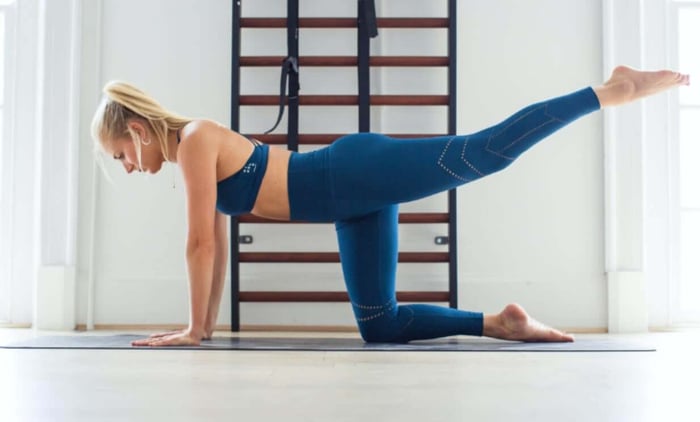
The downside gets less attention. Barrecore founder Niki Rein points out that excessive high-intensity aerobic exercise over time can decrease skin elasticity. The constant impact and repetitive movement can contribute to sagging, particularly in the face and neck. If maintaining skin firmness matters to you, Rein suggests focusing on weight-bearing exercises and keeping high-intensity bursts to 20-second intervals. This approach maintains skin-supporting elastin while still delivering cardiovascular benefits.
What sweat actually does to your skin
Sweating gets a bad rap, but the process itself supports skin health. As perspiration moves through your pores, it physically flushes out surface dirt and cellular debris. Think of it as a mini internal rinse cycle.
More interesting still, sweat contains dermcidin, your body's own antibiotic. This antimicrobial peptide attacks bacteria on the skin's surface, including Staphylococcus aureus and E. coli. Nature built in its own defence system.
The problems start when sweat sits on your skin. Sweat contains ammonia and urea. Left on the skin's surface, these compounds trigger irritation and inflammation. Personal trainer and Pilates instructor Katie Gray, founder of Kind by KG, learned this the hard way: "Double cleansing has changed my life!" The key is removing sweat promptly, not letting it marinate on your skin for hours after class.
Exercise doesn't cause acne. But it can make existing acne worse.
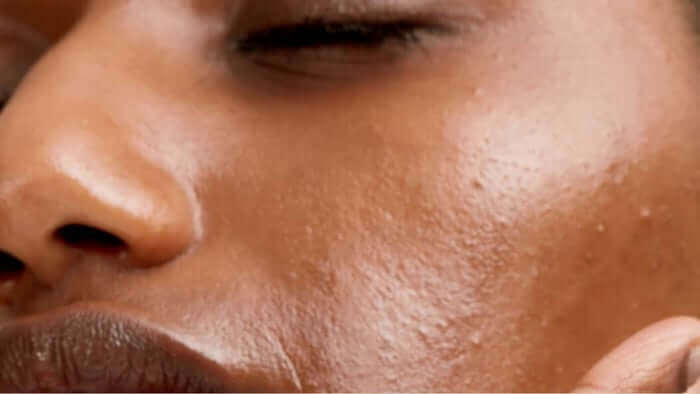
Exercise itself doesn't create acne. Most acne is hormonal, triggered by puberty, menstrual cycles, coming off the pill, or pregnancy. When hormones fluctuate, sebaceous glands overproduce oil. This excess sebum feeds normally harmless P. acnes bacteria, throwing your skin's microbiome out of balance. Mix in dead skin cells and you've got blocked pores. That's your breakout.
The NHS states clearly: "Regular exercise cannot improve your acne, but it can boost your mood and improve your self-esteem. Shower as soon as possible once you finish exercising as sweat can irritate your acne."
While poor cleansing didn't cause your acne, exercising with makeup on makes everything worse. Foundation mixed with sweat creates the perfect pore-blocking paste. Even without makeup, you need to cleanse thoroughly both before and after working out.
Yes, before. Remove every trace of makeup, SPF, and daily grime with Light Work cleansing oil before you hit the gym. Then cleanse again immediately after, even if you're planning to shower properly at home later. For acne-prone skin specifically, try PHAZE Clarifying Face Wash. The polyhydroxy acids gently exfoliate while you cleanse, preventing the dead cell buildup that clogs pores.
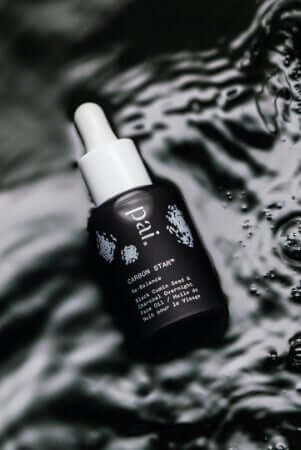
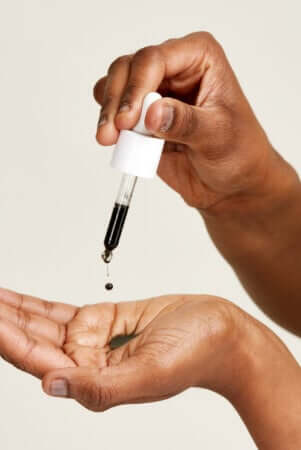
Between workouts, targeted treatments keep breakouts at bay. All Becomes Clear serum uses zinc and copaiba balsam to regulate sebum and calm inflammation. For overnight clarifying, Carbon Star face oil combines activated charcoal with antibacterial black cumin seed oil. Despite being an oil, it's clinically proven non-comedogenic. The charcoal absorbs excess sebum while the black cumin seed oil kills acne bacteria. Both products work because they rebalance your skin rather than stripping it.
For a complete acne management routine that works with your active lifestyle, check our expert guide to skincare for acne.
When exercise triggers other skin conditions
Blemishes aren't the only skin issue exercise can aggravate. Exercise-induced urticaria (hives) erupts when core body temperature rises. Rosacea flares as blood vessels dilate during cardio. Add outdoor workouts and UV exposure makes rosacea worse still. Always wear broad-spectrum SPF and consider a cap to keep direct sun off your face. British Summer Time SPF 30 provides mineral protection without triggering sensitivity.
For stress-triggered conditions like eczema and psoriasis, lower-impact activities work better. Yoga's focus on controlled breathing and relaxation actively reduces cortisol levels. Less cortisol means less inflammatory response in the skin. The mind-body connection is real, and measurable.
Your skin-safe workout protocol
1. Remove every trace of makeup before exercising. Skip this step and you're setting yourself up for breakouts. Use an oil-based remover like Light Work to dissolve everything, including waterproof mascara and long-wear foundation.
2. Shower immediately after working out. Exercise accelerates cell turnover throughout your body. Dead cells need washing away before they block pores. Keep Replenishing Body Wash in your gym bag. The ceramide-boosting formula maintains your skin barrier even with frequent washing.
3. Choose breathable fabrics over compression gear. Tight clothing traps heat and moisture against skin, creating perfect conditions for acne mechanica. This friction-induced acne appears wherever fabric rubs repeatedly: sports bra lines, waistbands, helmet straps. Loose cotton allows skin to breathe and sweat to evaporate.
The truth about exercise and acne? Movement itself supports overall health, including skin health. The problems come from what sits on your skin before, during, and after. Master the cleansing routine, choose the right products, and your skin can handle whatever your workout throws at it.
Still breaking out despite following these steps? Book a free consultation with our skin experts for a personalised routine that works with your lifestyle, not against it.
Frequently Asked Questions
Does exercise actually cause acne?
Exercise itself doesn't cause acne. Most acne is hormonal, triggered by puberty, periods, coming off the pill, or pregnancy. However, sweat left on the skin contains ammonia and urea, which can irritate existing acne and worsen breakouts if you don't cleanse properly before and after your workout.
Is sweating good or bad for your skin?
Mild to moderate sweating is genuinely beneficial. It flushes surface dirt from pores, clears congestion, and delivers Dermcidin, a natural antibiotic that fights bacteria like Staphylococcus aureus and E. coli on the skin. The problems start when sweat is left sitting on the skin too long, or when perspiration is severe, which can trigger breakouts or flare-ups.
Should I cleanse my face before and after working out?
Yes, both. Cleanse just before you start exercising to remove makeup, SPF and daily grime so nothing mixes with sweat and blocks pores. Then cleanse again straight afterwards, even if you're planning a proper shower later. A surfactant-free cleansing oil like Light Work dissolves makeup and impurities without stripping the skin barrier, making it a good pre-workout first step.
What skincare products help manage breakouts from working out?
Between workouts, a detoxifying overnight oil like Carbon Star can help keep blemish-prone skin balanced. It combines antibacterial Black Cumin Seed Oil with sebum-absorbing Vegetable Charcoal and anti-inflammatory Amazonian botanicals to break the blemish cycle while you sleep. In an independent trial of 51 women over 4 weeks, 76% said their skin looked clearer.
Can exercise aggravate sensitive skin conditions like rosacea or eczema?
It can. Rosacea often looks worse when blood flow increases during cardio, and it's notoriously aggravated by sun exposure, so wear a cap and broad-spectrum sunscreen if you're exercising outdoors. Urticaria can flare when the body overheats, while lower-impact activities like yoga, with its emphasis on relaxation, may actually benefit stress-triggered conditions like eczema and psoriasis.