Most of us think we're eating healthily. The data says otherwise. Only 9% of adults consume enough vegetables, and just 12% get enough fruit. And when we do reach for something fruity, it's often in smoothie form.
Refined sugar triggers chronic inflammation throughout the body, affecting everything from metabolic health to skin barrier function. High sugar consumption leads to chronic inflammation in the body, which plays a significant role in the development of various skin conditions, including acne, rosacea and eczema. When sugar molecules bind to collagen and elastin, they create stiff, inflexible structures called Advanced Glycation End Products (AGEs). Picture healthy collagen fibres becoming rigid and cross-linked, losing their flexibility and strength. This process accelerates visible ageing and compromises skin structure.
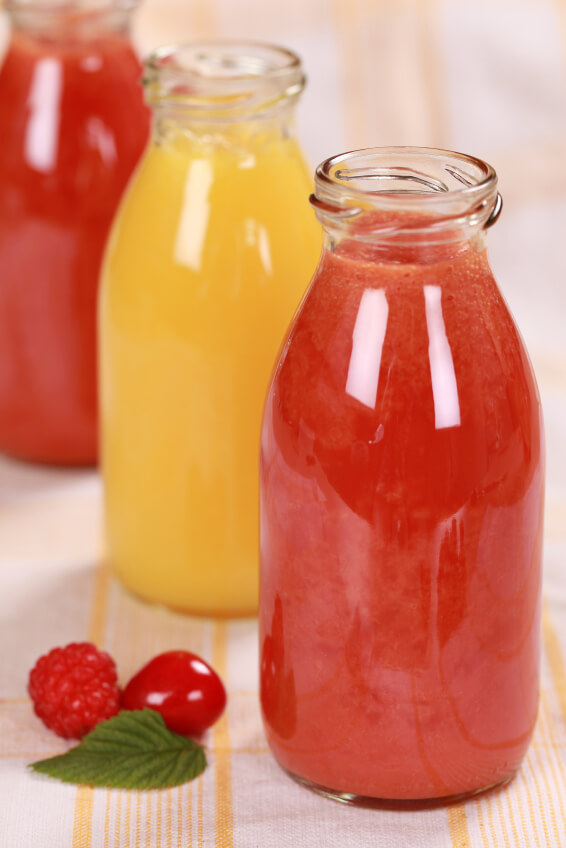
The bigger concern is the hidden sugars we're consuming without realising it. Smoothies, often marketed as the healthy way to hit our five a day, can be particularly sneaky.
The fibre factor
When you eat a whole apple, the fibre acts as a protective barrier during digestion. This barrier slows down the absorption of sugar and gives your liver a chance to catch up. When fruit is blended, despite still having all the fiber, it can still cause a hypoglycemic dip. Your body gets hit with all that fruit sugar at once.
Plus, it takes quite a lot of fruit to fill a smoothie glass. According to the NHS, 1 small glass (150ml) of smoothie or fruit juice only counts as 1 portion of your five-a-day, even if it contains several fruits and vegetables. A typical smoothie is double or triple that size.
When would you sit down and eat six apples, a punnet of berries, and half a pineapple in one go? Exactly.
The sugar stats
Some commercial smoothies pack staggering amounts of sugar. Smoothie King's 20-ounce The Hulk Vanilla Smoothie contains 47 grams of added sugar. That's well above the daily sugar recommendation of 6 teaspoons (25 grams) for women.
Even if you're making your smoothie at home using all-natural ingredients, it can still have a lot of natural sugar. These sorts of smoothies can cause your blood sugar levels to spike, leading to a craving for even more sugar throughout the day.
Your skin on sugar spikes
The skin connection is more complex than most people realise. A diet containing both high fat and high sugar was required to induce observable skin inflammation. As one researcher put it: "Eating an unhealthy diet does not affect your waistline alone, but your skin immunity too".
Those constant blood sugar spikes from fruit smoothies? They're triggering inflammation throughout your body, including your skin. If you're dealing with sensitivity, redness, or breakouts, your morning smoothie habit might not be helping.
The good news
Nutritionists suggest limiting smoothies to occasional treats, focusing on vegetables over fruit when you do make them. Experts recommend having smoothies only occasionally, and making them at home, with whole plant food ingredients including leafy greens.
A good guideline would be to have a serving of protein, one serving of fruit, a tablespoon or two of good fat, and a serving or two of vegetables. Berries help control blood sugar so well they can counter the effects of sugar water even when they're pureed in a blender.
If your skin is already dealing with inflammation from dietary triggers, you need a routine that calms rather than aggravates. Our Instant Kalmer is specifically formulated for reactive, inflamed skin. The Instant Kalmer contains sea aster and butterfly ginger root to reduce inflammation at the cellular level. When inflammation is already present, topical intervention can help break the cycle while you address dietary triggers.
Want to learn more about the connection between diet and skin health? Check out our guide on 'Five a Day' Focus: Diet for evidence-based tips on eating for clearer skin.