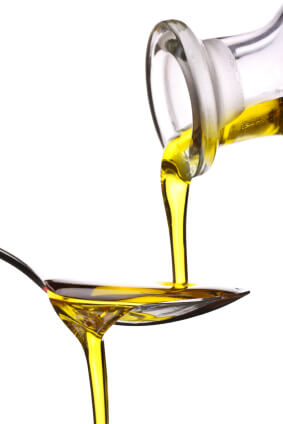

Oil pulling has to be one of the stranger wellness trends to cross over into skincare conversations. This ancient practice has found new fans among wellness enthusiasts, though the connection to actual skin health is more complicated than Instagram would have you believe.
Oil pulling comes from Ayurvedic medicine, where practitioners swish a tablespoon of oil around their mouth for 15 to 20 minutes. The oil gradually turns from clear to a milky white as it mixes with saliva and captures bacteria. If your oil stays clear or your mouth feels greasy afterwards, you haven't swished long enough.
The most common oils are coconut, sesame, and castor oil. Always choose organic, cold-pressed, unrefined versions. The quality matters because you're holding this in your mouth for quite some time.
The oral health connection
Where oil pulling shines is oral health. Studies published in the Journal of Traditional and Complementary Medicine show it can reduce plaque formation and improve gum health. The mechanical action of swishing, combined with certain antimicrobial properties of coconut oil, helps remove bacteria that contribute to gingivitis and tooth decay.
Dr Bruce Fife, author of Oil Pulling Therapy, argues that oral bacteria can enter the bloodstream through inflamed gums, potentially triggering inflammation elsewhere in the body. By reducing oral bacteria load, oil pulling might theoretically reduce systemic inflammation.
The skin connection is where things get interesting. The theory goes like this: chronic inflammation contributes to acne, rosacea, and other skin conditions. If oil pulling reduces systemic inflammation by improving oral health, it might indirectly benefit skin.
The problem? There's no direct clinical evidence linking oil pulling to clearer skin. While anecdotal reports exist (wellness influencer Jasmine Hemsley calls it part of her morning routine), these aren't the same as controlled studies. The inflammation-skin connection is real, but oil pulling is several steps removed from directly treating acne or rosacea.
A more direct approach to oil and skin
If you're interested in oil's benefits for skin health, there are more direct routes. Facial oils deliver targeted benefits where you actually need them. Our Rosehip BioRegenerate uses CO2 extraction to preserve the natural trans-retinoic acid that helps with cell turnover and pigmentation.
For cleansing, oil-based cleansers work on the principle that oil dissolves oil, making them brilliant at removing makeup and sebum without stripping skin. Our Light Work transforms from oil to milk on contact with water, taking daily grime with it while leaving skin balanced.
The inflammation factor
If you're dealing with inflammatory skin conditions, addressing inflammation directly makes more sense than hoping oral bacteria reduction might help. Common inflammation triggers include stress, diet, and using products that irritate sensitive skin.
For acne-prone skin dealing with inflammation, ingredients that calm while treating work best. Our All Becomes Clear combines zinc with calming botanicals to address breakouts without creating more irritation.
Should you try oil pulling?
For oral health? The evidence suggests it's worth considering, especially if you're looking for a natural addition to your dental routine. Start with 5 minutes and work up to longer sessions. Do it before brushing, not after.
For skin health? Don't expect miracles. If you enjoy the ritual and notice your gums feeling healthier, that's great. But if clearer skin is your goal, you'll see better results from a targeted skincare routine using products designed for your specific concerns.
Save the oil pulling for your oral health routine, and let properly formulated skincare do what it does best for your complexion.