You wake up with a shiny T-zone, blot through lunch, yet your skin feels tight after cleansing. This isn't contradictory — it's oily but dehydrated skin.
Most people think oily skin can't be dehydrated. They're wrong. Oil and hydration are completely different functions.
Skin can be both oily and lacking moisture because oil protects. Water hydrates. Your skin can be drowning in one while starving for the other.
Spotting the signs of oily, dehydrated skin
Think your skin might be both oily and dehydrated? Here's what to watch for:
Your skin feels tight after cleansing, becomes oilier within hours, shows flaking under shine, or reacts easily to products — these are classic signs. You might notice your T-zone gleaming while your cheeks feel rough or look dull.
Your skin might even slightly wrinkle when you pinch it instead of holding its shape or you might find little dry patches around your brows or nose. Makeup that slides off or goes patchy throughout the day is another telltale sign.
You may also notice common skin dehydration symptoms like tightness and sensitivity. If your usual products suddenly sting or cause redness, dehydration could be the culprit.
Why moisturiser matters (yes, even for oily skin)
Here's the biggest mistake people with oily skin make: skipping moisturiser to "dry out" breakouts.
This makes everything worse. When the skin produces insufficient water, it will usually cause excessive oil production to compensate for the lack of moisture. You're making the problem worse.
Avoiding moisturizer does not reduce oil production; it actually worsens dehydration and signals the skin to produce more sebum. Your skin responds by producing even more oil to compensate.
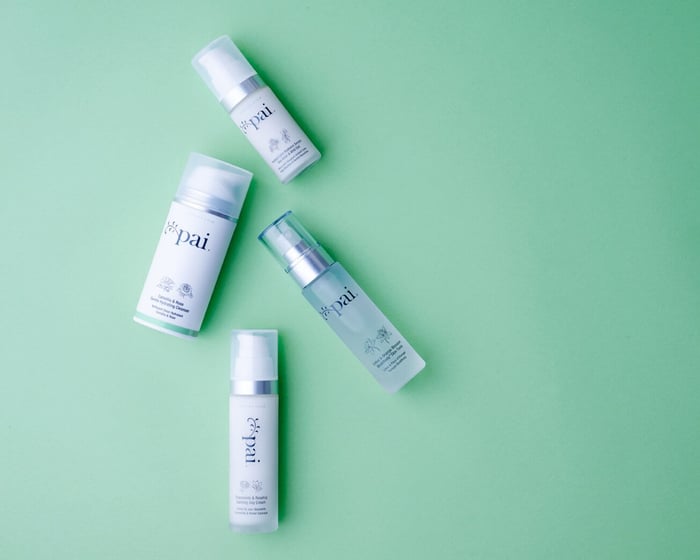
The solution? A lightweight moisturiser that hydrates without heaviness. Our The Pioneer was specifically formulated for this purpose. Free from shea butter, it delivers hydration that oily skin can handle.
The truth about cleansing
That "squeaky clean" feeling after washing? It's not a sign of thorough cleansing. It's your skin crying out for help.
Many people accidentally worsen their oily, dehydrated skin by using harsh cleansers containing sodium lauryl sulphate (SLS) or cocamidopropyl betaine (CAPB). These detergents strip away your skin's protective barrier along with excess oil.
Stick to a gentle, non-stripping cleanser that removes dirt and oil without leaving your skin feeling squeaky or dry. Think of it as removing the excess while respecting what your skin needs to stay healthy.
Want to understand more about why foam cleansers can damage sensitive skin? Read our guide on why you should ditch the foam.
Why facial oils work for oily skin
Now for the advice that sounds completely backwards: add oil to oily skin.
Face oils actually help oily skin. Jojoba oil, for example, mimics the skin's natural sebum, which can help balance oil production.
The right facial oil can actually regulate sebum production. The primary role of face oil is to maintain the skin barrier and prevent over-drying of the skin, which can trigger more oil production. Certain oils can regulate oil production by nourishing and strengthening the skin barrier.
The key is using oils sparingly. Two to three drops of our Rosehip BioRegenerate patted gently into clean skin at night is all you need. This cult favourite not only helps balance oil production but also tackles uneven skin tone and scarring — common concerns for those dealing with breakouts.
For more ways to use this versatile oil, check out our guide to 10 ways to use Rosehip BioRegenerate Oil.
The bottom line
Oily, dehydrated skin needs balance, not punishment. Stop trying to dry it out. Give it gentle cleansing, lightweight hydration, and the right facial oil.
Your skin knows how to regulate itself when you stop fighting against it. Give it the tools it needs — proper hydration inside and out — and watch it find its equilibrium.
Remember: dehydration is a skin condition that can affect all skin types, even oily ones. Oil and hydration are not the same thing. Once you understand this, you're halfway to solving the problem.