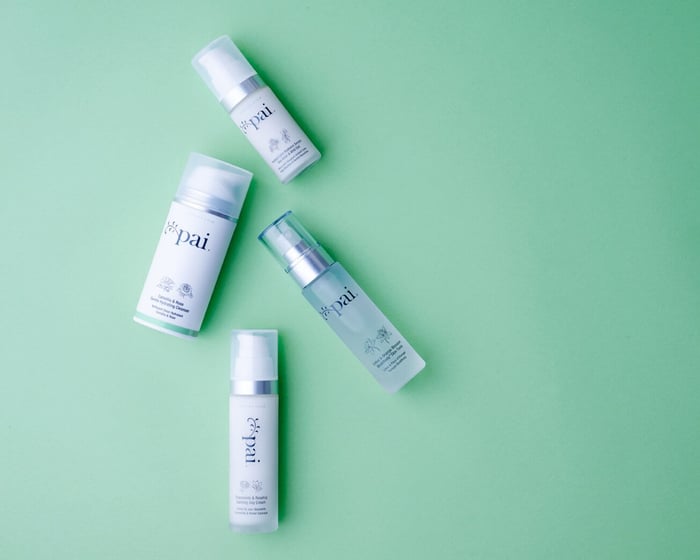

Your skin's acid mantle is the first thing standing between you and the world. This microscopic film of sebum and sweat might not sound glamorous, but it's responsible for keeping your skin calm, clear, and functioning properly.
Think of it as your skin's own security system. Without it, you'd be dealing with constant irritation, infections, and accelerated ageing.
What your acid mantle actually does
The acid mantle is a fine, slightly acidic film that sits on your skin's surface. With a pH between 4.5 and 6.2, it creates an environment where beneficial bacteria thrive and harmful ones can't survive.
It's working overtime to keep you healthy in three crucial ways. First, it shields you from pathogens by producing antimicrobial peptides that actively fight off bacteria and viruses. Second, it maintains skin hydration by preventing water loss through the epidermis. Third, it supports your skin's natural renewal process by creating the optimal pH for enzymes that help dead skin cells shed properly.
When it's compromised, that's when problems start.
Signs your acid mantle needs help
A damaged acid mantle shows up in ways you might not immediately connect. That tight, uncomfortable feeling after cleansing? Your acid mantle crying out for help. Sudden sensitivity to products you've used for years? Same culprit.
Other signs include:
Persistent dryness despite moisturising. Increased breakouts (harmful bacteria love alkaline conditions). Redness and irritation that won't settle. Premature fine lines, especially around the eyes and mouth.
If you're experiencing several of these symptoms, your skincare routine might be doing more harm than good.
The five biggest acid mantle disruptors
1. Hot water and steam
That steamy shower might feel relaxing, but it's stripping your skin's protective oils faster than you can replace them. Hot water dissolves the lipids that form your acid mantle, leaving skin vulnerable and dehydrated. Keep water lukewarm and limit face exposure to steam.
2. Harsh cleansers and soap
Most foaming cleansers use sulphates that strip your skin's natural oils along with dirt and makeup. Traditional soap is even worse, with a pH around 9-10 that's completely at odds with your skin's natural acidity. Switch to oil-based cleansers that remove impurities without disrupting your barrier.
3. Over-exfoliation
Whether it's daily scrubs or too many acid treatments, excessive exfoliation damages your acid mantle faster than almost anything else. Your skin needs those surface lipids. Strip them away too often and you'll trigger a cycle of sensitivity and irritation that's hard to break.
4. Environmental assault
UV exposure, pollution, central heating, and air conditioning all challenge your acid mantle. While you can't control the environment, you can protect your skin. A mineral sunscreen shields against UV damage, while antioxidant-rich serums neutralise pollution particles.
5. Aggressive acne treatments
Prescription acne medications often work by essentially nuking your skin's surface. Yes, they kill acne bacteria, but they also destroy your protective barrier. If you're using these treatments, supporting your acid mantle becomes even more crucial.
How to repair and protect your acid mantle
Your skin wants to heal itself. Give it the right conditions and your acid mantle can restore itself within weeks.
Start with your cleanser. Our Light Work Rosehip Cleansing Oil removes everything (including waterproof mascara) without stripping. The rosehip oil actually supports your skin's lipid barrier while cleansing.
After cleansing, rebalance immediately. A hydrating mist helps restore pH while delivering moisture. Look for ingredients that support barrier function: ceramides, fatty acids, and cholesterol work together to rebuild your protective layer.
For intensive repair, consider our C-2 Believe Vitamin C Moisturiser. The combination of stable vitamin C and omega-rich sea buckthorn helps rebuild compromised barriers while protecting against further damage.
If your skin is particularly sensitive, the Anthemis Chamomile Calming Moisturiser delivers chamomile CO2 extract to help reduce inflammation. Less inflammation means your acid mantle can focus on repair rather than defence.
Daily habits that make a difference
Beyond products, simple changes protect your acid mantle long-term. Pat skin dry instead of rubbing. That extra friction damages delicate surface lipids.
Apply skincare to damp skin. Products penetrate better and you'll lock in extra hydration.
Give actives a rest. If your skin feels sensitised, strip back to cleanser and moisturiser for a few days. Sometimes less really is more.
Check your water. Hard water has a higher pH that disrupts your acid mantle. If you live in a hard water area, consider a final rinse with filtered or bottled water.
The science behind barrier repair
Your acid mantle isn't just a passive film. It's constantly being produced by sebaceous glands (sebum) and eccrine glands (sweat), which mix on your skin's surface with beneficial microbes and cellular debris to create this protective ecosystem.
The key players in a healthy acid mantle are free fatty acids from sebum breakdown, lactic acid and amino acids from sweat, and natural moisturising factors from skin cell turnover. When you support these natural processes rather than stripping them away, your skin functions optimally.
This is why our formulation philosophy focuses on working with your skin's biology. Every product is pH-balanced to support your acid mantle, not fight against it.
When to seek professional help
Sometimes acid mantle damage goes beyond what skincare can fix. If you're experiencing persistent eczema or dermatitis, severe acne that won't respond to gentle treatment, or rosacea flare-ups, it's time to see a dermatologist.
They might prescribe specific treatments, but maintaining your acid mantle will still be crucial for healing. Let them know about your barrier concerns so they can factor this into your treatment plan.
The bottom line
Your acid mantle might be invisible, but its effects aren't. Protect it with gentle cleansing, pH-balanced products, and a routine that supports rather than strips. Your skin will thank you with that balanced, comfortable feeling that comes from a barrier doing exactly what it should.
Questions about building a routine that protects your acid mantle? Our customer service team can help create a personalised plan. Email support@paiskincare.com for tailored advice.