
Picture your skin as a wall. The bricks are your skin cells, tightly packed together. The mortar holding them in place? That's a complex of lipids including ceramides, cholesterol, and fatty acids. Together, they form your skin barrier. And whether you're dealing with rosacea, eczema, or just winter-ravaged cheeks, keeping this barrier intact is the difference between calm skin and constant reactivity.
Every skin type has one. Every skin type needs to protect it. Yet most of us spend our days accidentally attacking it with hot showers, harsh cleansers, and enough actives to resurface a small planet.
Here's what your barrier actually does, why it matters more than any serum in your cabinet, and how to stop sabotaging it.
Your skin barrier: the body's bouncer
The skin barrier is your body's first and best line of defence. Scientifically speaking, it's the stratum corneum, the outermost layer of your epidermis. But think of it as your body's bouncer: selective about what gets in (nutrients from your skincare, vitamin D from the sun) and ruthless about what stays out (pollution, bacteria, that person who insists on touching your face).
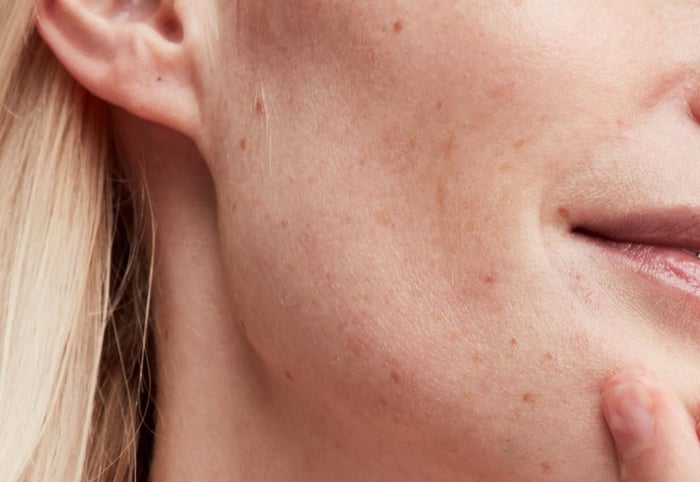
Between those tightly packed skin cells sits a sophisticated mixture of ceramides, cholesterol, and fatty acids. There's also your skin's Natural Moisturising Factor (NMF), a cocktail of amino acids, urea, and lactic acid that keeps everything supple.
When this system works, your skin looks smooth, feels comfortable, and shrugs off irritants. When it doesn't? That's when the trouble starts.
Five jobs your barrier does every day
1. Blocks the bad stuff
UV rays. Pollution particles. Bacteria. Viruses. That dubious hotel pillow. Your barrier keeps them all at arm's length, preventing irritation, infection, and inflammation. Without it, every environmental assault would penetrate straight through to your living tissue.
2. Locks in moisture
Ever wondered why you don't deflate like a punctured water balloon? Your barrier prevents transepidermal water loss (TEWL), the continuous evaporation of water from your skin. A healthy barrier keeps hydration where it belongs: inside your skin cells, plumping them from within.
3. Delivers the good stuff
Your barrier isn't just defensive. It's the gateway for beneficial ingredients from your skincare and converts UV rays into vitamin D. Think of it as customs control: checking everything that wants entry and waving through the VIPs.
4. Regulates your thermostat
Working with your brain's hypothalamus, your skin barrier manages temperature through a complex system of blood vessel dilation and sweat evaporation. Too hot? It releases heat. Too cold? It conserves it.
5. Lets you feel the world
Packed with sensory receptors, your skin barrier is how you experience touch, temperature, and texture. It's your interface with reality, alerting you to danger (that pan handle is hot) and pleasure (cashmere against skin).
Signs your barrier is compromised
A damaged barrier can't do its job properly. The symptoms are unmistakable once you know what to look for.
Dryness and dehydration come first. When your barrier can't hold moisture, your skin feels perpetually parched no matter how much moisturiser you layer on. Then comes the sensitivity: redness, stinging, burning sensations from products that never bothered you before.
For those prone to eczema or rosacea, a compromised barrier means more frequent and severe flare-ups. Your skin becomes reactive to everything because, quite literally, everything is getting through defences that should be keeping irritants out.
The texture changes too. Rough patches appear. Fine lines look more pronounced because dehydrated skin can't plump itself. Your complexion turns dull because cell turnover slows when the barrier is busy trying to repair itself.
How to wreck your barrier in five easy steps
Most of us damage our barriers daily without realising it. Here are the main culprits:
1. Aggressive exfoliation
Physical scrubs with sharp particles tear micro-holes in your barrier. Even if you're using spherical beads (like the Jojoba beads in Virtuous Circle™), overdoing it strips away the lipids faster than your skin can replace them. Once a week is plenty for most skin types.
2. Active ingredient overload
Retinoids, AHAs, BHAs, vitamin C. Used correctly, they transform skin. Stack them all in one routine? You've just launched a chemical assault on your barrier. Start with one active, use it slowly, and give your skin recovery days. If you're new to chemical exfoliants, PHAZE™ uses gentler PHAs that exfoliate without the burn.
3. Water temperature extremes
That steaming hot shower feels amazing but it melts away your barrier lipids like butter in a pan. Ice-cold water shocks the skin. Lukewarm is the sweet spot, boring as that sounds.
4. The wrong cleanser
Sulfate-based foaming cleansers strip everything: makeup, dirt, and your entire lipid barrier. If your skin feels tight or squeaky clean, your cleanser is too harsh. Switch to a cream or oil cleanser that removes impurities without declaring war on your natural oils.
5. Skipping SPF
UV damage doesn't just age skin. It actively degrades your barrier function, creating gaps that let moisture out and irritants in. Daily SPF 30 isn't optional if you want a functioning barrier.
6. Fragrance (yes, even natural ones)
Fragrance ingredients, both synthetic and from essential oils, are common triggers for compromised barriers. If your skin is already struggling, they can tip it over the edge into full sensitivity mode.
Rebuilding your barrier: the action plan
1. Ceramides are your construction crew
Ceramides make up about 50% of your barrier lipids. When levels drop, gaps appear. Topical ceramides can help fill those gaps while your skin rebuilds its own supply.
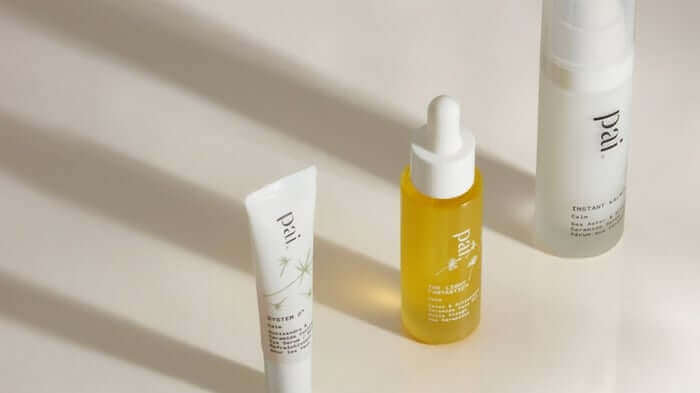
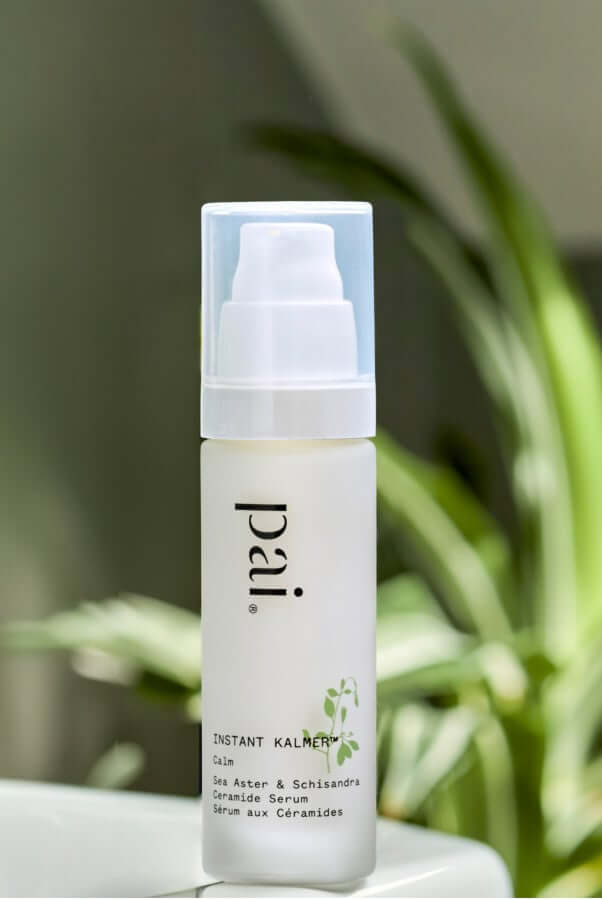
Our Instant Kalmer™ Ceramide Serum contains a wheat-derived complex with three specific ceramide types that mirror those naturally found in skin. For overnight repair, The Light Fantastic™ Ceramide Face Oil delivers ceramides in a nourishing oil base.
Don't stop at your face. Your body's barrier needs support too, which is why our Gentle Genius range includes ceramide-powered body wash, body cream, and hand cream.
2. Feed your microbiome
Your skin's surface hosts an ecosystem of beneficial bacteria that form an extra defensive layer. When this microbiome is balanced, it produces antimicrobial peptides and maintains optimal pH. When it's not, opportunistic bacteria move in.
Prebiotic skincare feeds the good bacteria while starving the troublemakers. Many Pai products now include prebiotic inulin from chicory root, which acts as selective bacteria food, encouraging the beneficial species to flourish.
3. Hydrate strategically
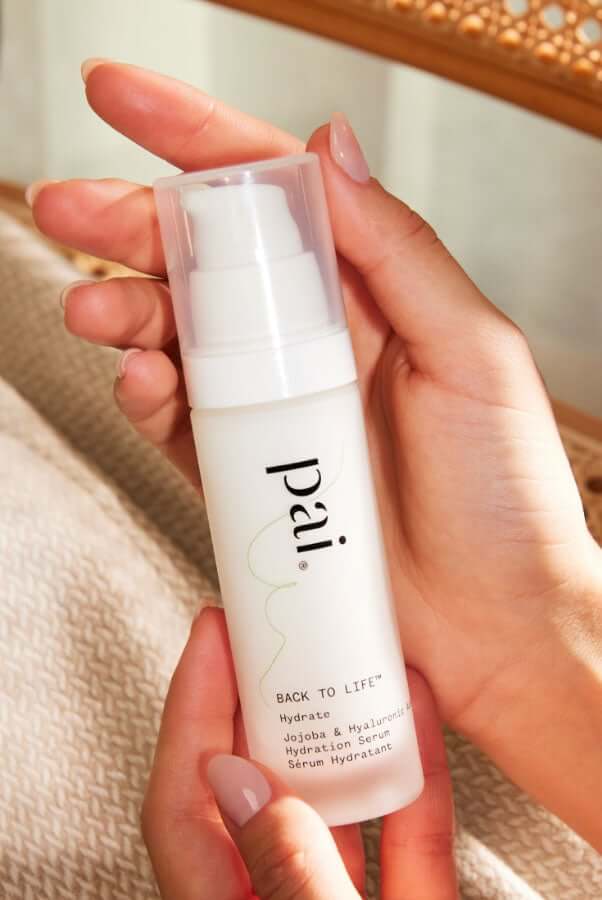
A damaged barrier leaks moisture constantly. Hyaluronic acid can hold up to 1,000 times its weight in water, creating a reservoir that your skin can draw from. Back To Life™ Hydration Serum delivers multiple weights of hyaluronic acid for surface and deeper hydration.
For ongoing protection, The Anthemis™ Calming Moisturiser is clinically proven to support barrier function while providing 24-hour hydration. On sensitive days, it delivers instant calm while helping rebuild defences.
Pro tip: Layer Century Flower™ Barrier Defence Mist between your skincare steps. The hyaluronic acid and prebiotic inulin create extra hydration layers while the mist format helps other products penetrate better.
4. Simplify your routine
A ten-step routine might look impressive on Instagram, but it's often too much for compromised skin. Each product is another potential irritant, another set of ingredients your barrier has to process.
Strip back to essentials: gentle cleanser, hydrating serum, moisturiser, SPF. Once your barrier recovers, you can gradually reintroduce actives. One at a time. With patience.
The bottom line
Your skin barrier is the foundation of everything. No amount of serums, acids, or treatments will work if your barrier is compromised. In fact, they'll probably make things worse.
Focus on barrier health first. Feed it ceramides. Protect it from extremes. Stop stripping it with harsh products. Give it time to rebuild.
Healthy skin isn't about perfection. It's about having a barrier strong enough to handle what life throws at it. Get that right, and everything else follows.
Need personalised advice for your skin barrier? Book a free online consultation with our skincare experts.
Frequently Asked Questions
What is the skin barrier and why does it matter?
The skin barrier is the outermost layer of your skin, known as the stratum corneum. It's made up of skin cells (the "bricks") held together by lipids including ceramides, cholesterol, and fatty acids (the "mortar"), and its job is to keep moisture in, irritants out, and protect against bacteria, UV damage, and environmental stress. When it's compromised, you're far more likely to experience dryness, redness, and sensitivity.
What are the most common causes of skin barrier damage?
The biggest culprits are overuse of active ingredients like retinoids and AHAs, harsh or foaming cleansers that strip natural lipids, water that's too hot, UV exposure without adequate SPF, and abrasive physical exfoliants. Fragrance, both synthetic and from essential oils, can also irritate a barrier that's already compromised. The key is to introduce actives slowly, keep water lukewarm, and wear SPF 30 or above daily.
How do ceramides help repair the skin barrier?
Ceramides are the lipids that hold your skin cells together, forming the "mortar" in the barrier's brick wall structure. Applying ceramide-rich skincare tops up what your barrier may have lost. Pai's Instant Kalmer Ceramide Serum contains three plant-derived ceramide types (ceramide 2, 3, and 8) structurally matched to human skin ceramides, delivered with a DGDG system that carries them deeper into the stratum corneum where they're actually needed.
Why is keeping the skin barrier hydrated so important for sensitive skin?
A dehydrated barrier develops gaps that let irritants penetrate and moisture escape, which triggers inflammation, redness, and flare-ups. Using a hyaluronic acid serum like Back To Life helps skin retain moisture, while The Anthemis moisturiser is clinically proven to provide 24-hour hydration and support barrier function. Layering Century Flower Barrier Defence Mist between skincare steps locks in extra moisture at every level.
Can using too many skincare products damage the skin barrier?
Yes. Piling on too many products or active ingredients can strip the skin's surface lipids and disrupt the microbiome, pushing things further off balance. The barrier's entire purpose is to be selective about what gets through, so a simpler routine with fewer, well-chosen products is almost always more effective than a ten-step regimen. Prebiotic ingredients like the chicory root inulin found across several Pai formulas help keep the microbiome balanced while you pare things back.