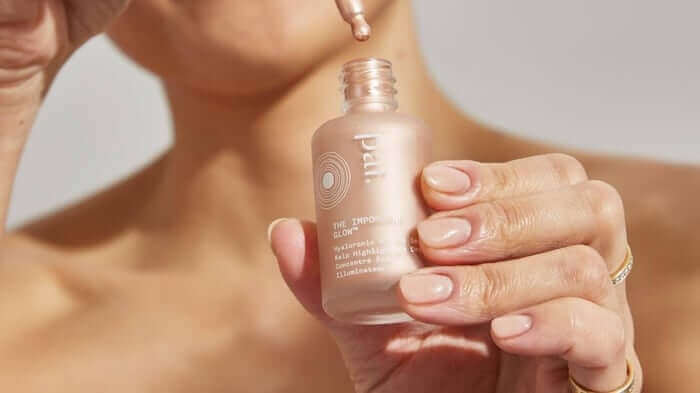

Flying is brutal on your skin. The cabin air contains about 20% humidity (your skin's comfort zone sits around 40-60%). Add the stress of travel, disrupted sleep, and recirculated air, and you've got a recipe for dehydration, breakouts, and that distinctive post-flight dullness that no amount of duty-free shopping can fix.
The good news? A few strategic skincare moves before, during, and after your flight can help you land looking fresh. Not airbrushed-influencer fresh. But human-who-knows-what-they're-doing fresh.
What actually happens to skin at 35,000 feet
Aircraft cabins are essentially moisture vacuums. The air is pulled from outside at altitude, compressed, warmed, and pumped into the cabin with virtually no humidity. Studies show cabin humidity typically hovers between 10-20%, compared to the Sahara Desert at 25%. Your skin notices.
When exposed to extremely dry air, your skin's barrier function goes into overdrive. It starts losing water rapidly through transepidermal water loss (TEWL). To compensate, sebaceous glands pump out more oil, trying to create a protective film. This is why some people get shiny foreheads mid-flight while their cheeks feel like sandpaper.
The stress factor compounds everything. Early flights, security queues, and that person reclining into your knees all spike cortisol levels. Elevated cortisol triggers inflammatory pathways that can manifest as redness, sensitivity, or the dreaded holiday breakout just as you're trying to look presentable for dinner on your first night.
Why breakouts love airplane cabins
It seems counterintuitive. Dry air should mean less oil, which should mean fewer spots. But skin doesn't work that way.
When the outer layers of your skin become severely dehydrated, your oil glands interpret this as damage and overcompensate. They produce excess sebum to protect the compromised barrier. But dehydrated skin cells don't shed properly. They stick together, forming tiny dams that trap the excess oil. Mix in the stress hormones flooding your system and you've created ideal conditions for inflammatory acne.
This is why the solution isn't to strip the skin with harsh cleansers or skip moisture. It's the opposite. Well-hydrated skin self-regulates. The oil glands calm down, dead cells shed normally, and pores stay clear.
Your pre-flight game plan
Start with a proper cleanse using something that won't strip your barrier. Middlemist Seven is 100% detergent-free, using plant oils to dissolve makeup and dirt without disrupting your skin's natural pH or lipid layer. The camellia oil actually delivers omega fatty acids during cleansing, leaving skin more nourished than before.
Apply your regular moisturiser. Don't fall into the trap of slathering on the heaviest cream you own. Your skin can only absorb so much at once. The Pioneer uses a multi-lamellar structure that releases hydration gradually, which is exactly what you want for sustained moisture during a long flight.
If you're prone to dryness around the eyes, add Feather Canyon Eye Cream. The echium seed oil contains stearidonic acid, which converts to EPA in the skin, interrupting the inflammatory cascade before it starts. Clinical studies show it reduces fine line depth by 30% in 28 days, but what matters for your flight is its ability to maintain hydration in the thinnest, most vulnerable skin on your face.
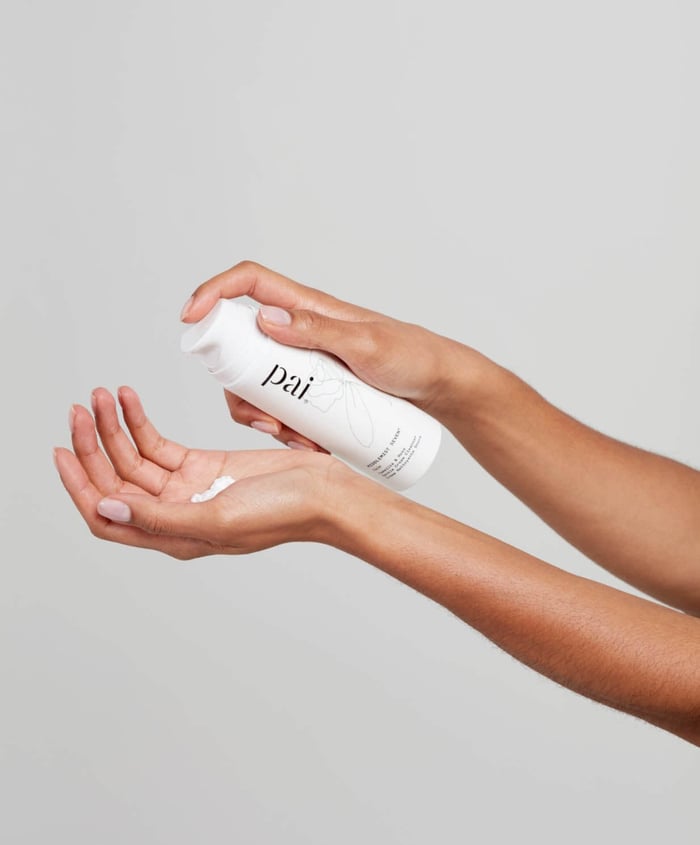
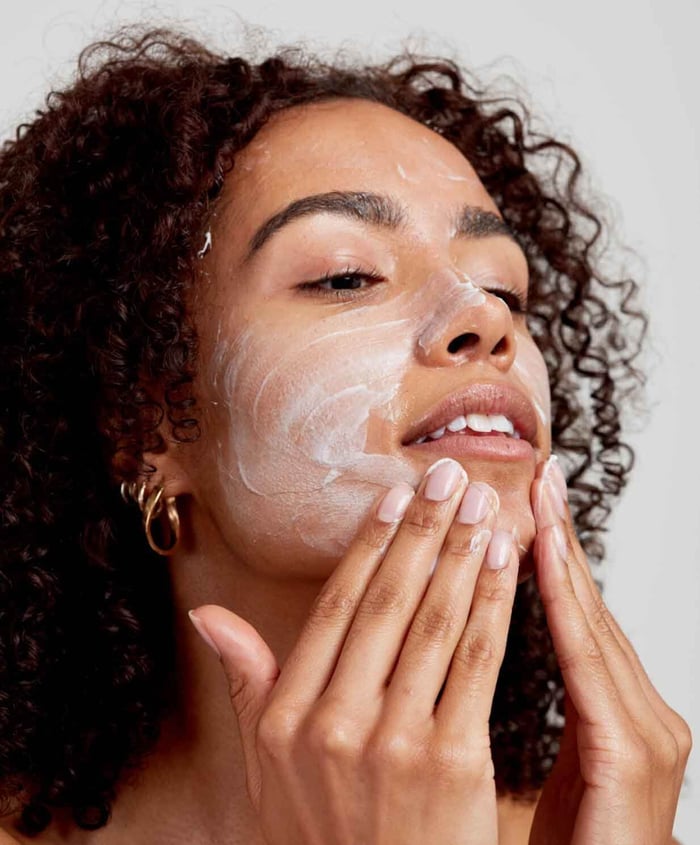
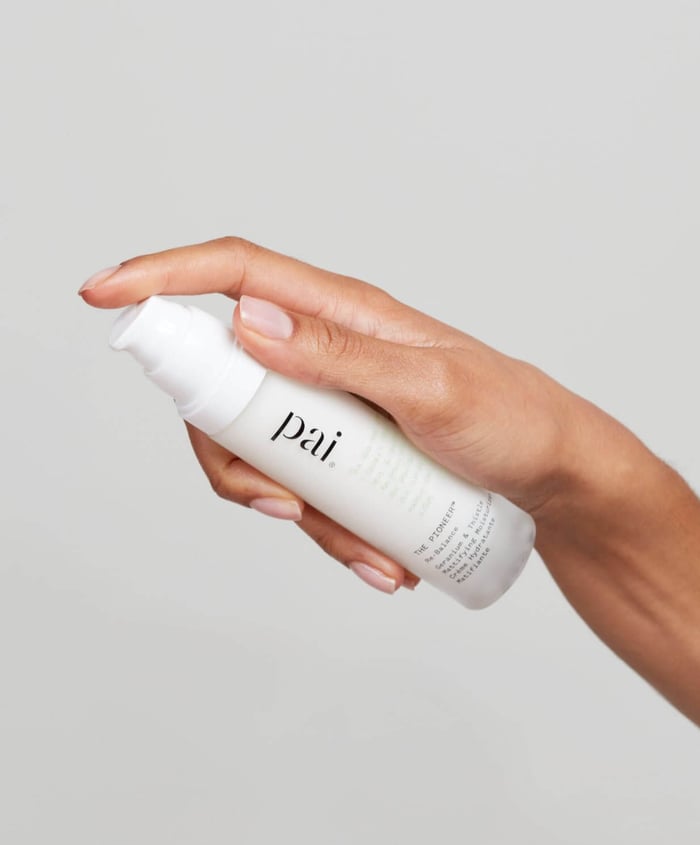

Skip the full face of makeup if you can. Foundation in dry cabin air tends to oxidise and settle into fine lines. If you need coverage, use a hydrating formula sparingly and set it with a barrier-protecting mist rather than powder.
Mid-flight maintenance
Hydration starts from within. Get a large bottle of water after security and sip continuously throughout the flight. For every hour in the air, aim to drink at least 250ml. Your kidneys might protest, but your skin will thank you.
Resist the drinks trolley's siren call. Alcohol, coffee, and black tea are diuretics that accelerate dehydration. Save the celebration for when you land.
Every hour or two, refresh your skin with Century Flower. This barrier defence mist does more than add surface moisture. The lotus root water contains flavonoids that suppress inflammatory cytokines IL-6 and IL-8 at the cellular level. Deep sea magnesium in free ion form penetrates to the dermal microvasculature in 23 minutes (verified by laser absorption studies), where it activates your skin's own hyaluronic acid production. The prebiotic inulin feeds beneficial bacteria while starving pathogens, maintaining your microbiome balance even in the challenging cabin environment.
Follow each mist with a small amount of moisturiser or a few drops of Rosehip Bioregenerate Oil. The CO2-extracted rosehip delivers 700% more polyphenols than cold-pressed versions, providing concentrated antioxidant protection against the oxidative stress of altitude.
Post-flight recovery protocol
Once you reach your destination, your skin needs a reset. Start with another gentle cleanse to remove the film of cabin air pollutants and any products you've layered during the flight.
Time for gentle exfoliation. Virtuous Circle uses perfectly spherical jojoba beads that won't create micro-tears in dehydrated skin. The kukui and argan oils deliver omega fatty acids while you buff away the dead cells that accumulated during your flight.
If you can feel a spot forming beneath the surface, reach for All Becomes Clear. Apply one pump directly to the area. The copaiba oil contains the highest concentration of anti-inflammatory beta-caryophyllene found in nature, while zinc PCA regulates sebum production and has antimicrobial properties. Used as a targeted treatment, it can stop a breakout before it fully develops.
Your final step before exploring is SPF. British Summer Time uses non-nano zinc oxide that sits on skin's surface creating a physical barrier against UV rays. Unlike chemical filters that can irritate travel-stressed skin, mineral protection starts working immediately and won't trigger sensitivity.
The science of jet lag skin
Your skin operates on a circadian rhythm just like the rest of your body. Cells divide faster at night, barrier recovery peaks around 8pm, and sebum production is lowest in the afternoon. When you cross time zones, these cycles get scrambled.
Research shows it takes approximately one day per time zone crossed for skin to fully resynchronise. During this adjustment period, barrier function remains compromised, making skin more reactive to new products or environmental changes.
This is why maintaining your routine matters more than experimenting with hotel amenities. Your skin is already confused. Don't add unfamiliar ingredients to the mix.
Building your travel skincare kit
The perfect travel routine balances efficacy with practicality. You need products that multitask without compromising on performance. Pai's travel-size collection includes TSA-friendly versions of the essentials, but here's what deserves precious luggage space:
- Cleanser: Non-stripping is non-negotiable when your barrier is under assault
- Hydrating mist: For in-flight refreshing and post-cleanse pH balancing
- Moisturiser: Something that works for day and night to save space
- Face oil: Concentrated nourishment for emergency barrier repair
- SPF: Mineral formulas are more stable in temperature extremes
- Spot treatment: Because breakouts don't respect your holiday plans
Remember, consistency beats complexity. A simple routine you actually follow is more effective than an elaborate one you abandon by day three.
Recovery strategies for different destinations
Beach holidays and city breaks assault your skin differently. Salt water and chlorine strip lipids from your barrier. Urban pollution generates free radicals that accelerate ageing. Mountain altitude intensifies UV exposure by 10-12% per 1000 metres of elevation.
Adjust your post-flight recovery based on where you're headed. Beach destinations call for richer evening treatments to counteract daytime exposure. City trips benefit from antioxidant-heavy morning routines. Mountain escapes require vigilant SPF reapplication and barrier support.
Whatever your destination, the fundamental principle remains: protect your barrier, maintain hydration, and give your skin the tools it needs to defend itself. Because the best holiday skin is skin that doesn't fight back.
Frequently Asked Questions
Why does airplane travel cause breakouts and dry skin?
Cabin air sits at just 10%-20% humidity, compared to around 65% in a typical UK summer. This rapid dehydration strips moisture from the top layers of skin, triggering oil glands to overproduce sebum in an attempt to compensate, which combines with stress and poor sleep to create ideal conditions for breakouts.
Should I apply a heavier moisturiser before flying?
No. It's much better to apply your normal moisturiser and top up little and often during the flight than to overburden your skin with a heavy cream before boarding. Keeping a lightweight moisturiser or serum in your hand luggage lets you rehydrate as needed without clogging pores.
How can a face mist help my skin during a flight?
Spritzing a barrier-strengthening mist like Century Flower every hour or so on a long-haul flight helps replenish surface hydration and calm redness. Its lotus flower extract soothes inflammation while the orange blossom living water supports circulation, so skin looks fresher when you land. Follow with a moisturiser or serum to lock that hydration in at a deeper level.
What's the best skincare routine once I've landed?
Start by cleansing with a detergent-free cleanser like Middlemist Seven to clear the cabin grime without stripping your skin further. Then gently exfoliate to buff away the dull, dead cells that accumulate during the flight, and follow with a nourishing face mask or a few drops of Rosehip BioRegenerate Oil to repair and restore radiance before applying SPF.
Why is a detergent-free cleanser important for travel skincare?
Surfactant-based cleansers can't distinguish between the dirt you want removed and the protective lipids your skin needs, so they strip an already dehydrated barrier even further. A detergent-free cream cleanser like Middlemist Seven uses plant oils to dissolve impurities while keeping your skin's natural moisture barrier intact, which is exactly what cabin-dried skin needs.