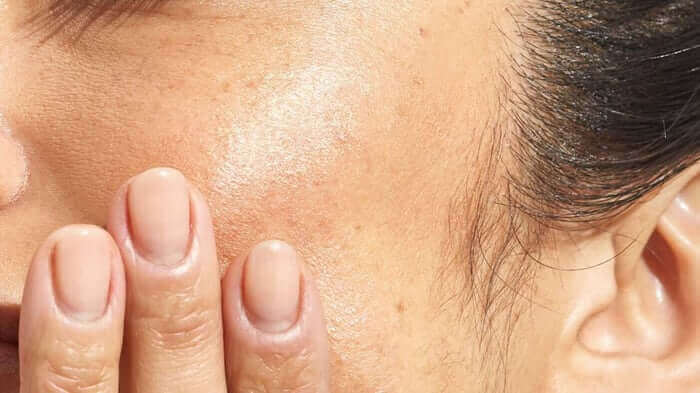

Your skin looks as tired as you feel, and there's a reason for that. Poor sleep drives inflammation, accelerates ageing, and creates that dull complexion that concealer can't fix.
Sleep is when your skin does its serious repair work. Growth hormone peaks, cortisol drops, and cellular regeneration kicks into overdrive. Miss out on quality rest, and you're essentially denying your skin its nightly renovation slot. This creates a cascade of skin concerns that compound over time.
5 ways poor sleep shows up in your skin
1. Inflammation goes into overdrive
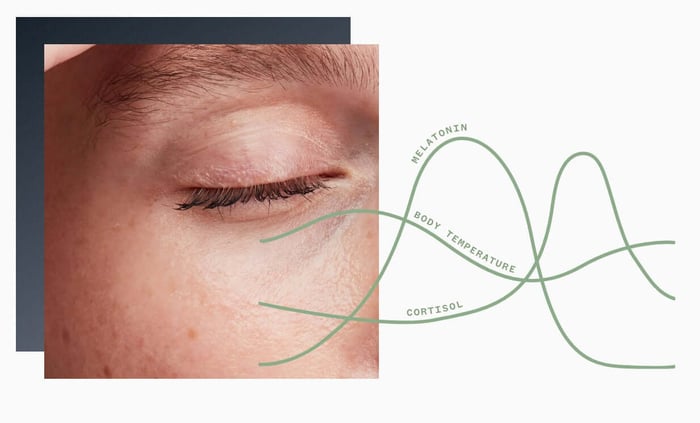
Skip sleep and your cortisol levels spike. This stress hormone triggers inflammatory pathways that break down collagen and hyaluronic acid faster than your skin can rebuild them. Conditions like acne, eczema, and psoriasis flare up when inflammation runs unchecked. Your skin stays locked in an inflammatory state, breaking down faster than it can rebuild.
2. Fine lines arrive early
Collagen production happens primarily during deep sleep. Cut your rest short, and you're literally shortchanging your skin's structural support system. Without adequate collagen synthesis, fine lines and wrinkles set up shop earlier than they should. Sleep deprivation also hampers your skin's ability to repair daily UV and environmental damage, accelerating visible ageing.
3. Your complexion loses its spark
Sleep regulates your skin's moisture balance. When you're running on empty, your skin barrier weakens, letting precious hydration escape. Dry, dull skin that's prone to sensitivity and irritation follows. That healthy glow needs its beauty sleep.
4. Your skin barrier takes a beating
During sleep, your skin rebuilds its protective barrier against pollutants, allergens, and UV damage. Skimp on rest and this shield weakens, leaving your skin vulnerable to environmental assault. Red patches, sensitivity, and uneven tone often trace back to a compromised barrier function.
5. Dark circles and puffiness set in
Those telltale under-eye shadows aren't just about looking tired. Poor sleep disrupts blood circulation, causing blood to pool beneath the thin under-eye skin. Combined with fluid retention from sleep deprivation, this creates puffy, shadowy eyes that show exactly how little rest you're getting.
How to wake up tired-looking skin
Seeing these signs in your own complexion? Here's your action plan.
Lock in 7-9 hours of quality sleep
Consistency beats everything. Same bedtime, same wake time, even on weekends. Create a wind-down ritual that signals sleep mode. Hayley Pedrick, the sleep expert I consulted for our sleep and skin series, swears by gratitude practice: "I've noticed that creating a gratitude practice can really supercharge people's sleep." Reading or a warm bath work too. Whatever helps your mind switch off.
Create a sleep sanctuary
Dark, quiet, cool. Those are your three non-negotiables. Invest in blackout curtains, a decent mattress, and pillows that actually support your neck. Consider white noise if you're noise-sensitive. Your bedroom should feel like a retreat, not an extension of your office.
Hydrate inside and out
Water throughout the day keeps skin cells plump and happy. In winter, a bedroom humidifier prevents overnight moisture loss. Your skin loses water while you sleep, especially in dry air. Counter it before it happens.
Support overnight repair with targeted skincare
Your nighttime routine is prime time for repair-focused ingredients. Hyaluronic Acid 0.3% draws moisture deep into skin layers. The Retinoid 0.3% accelerates cell turnover while you sleep. Peptides 5% signal your skin to produce more collagen.
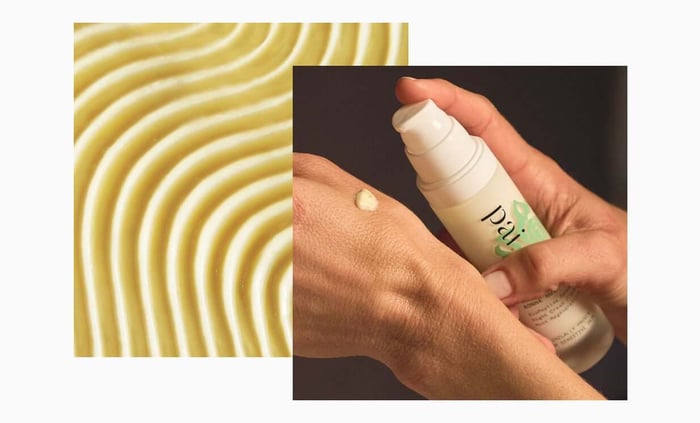
For intensive overnight renewal, Bonne Nuit combines biopeptides with gardenia extract that filters blue light and supports your skin's natural melatonin cycle. It's specifically formulated to work with your skin's overnight repair processes, not against them.
Get stress under control
Stress and poor sleep feed each other in a vicious cycle. Break it with meditation, deep breathing, or regular exercise. Your cortisol levels (and your skin) will thank you. Even 10 minutes of mindful breathing before bed can shift your nervous system from stressed to rested.
Feed your skin from within
Omega-3s from salmon and flaxseeds calm inflammation. Vitamin C from citrus boosts collagen production. Antioxidant-rich berries protect against free radical damage. Think of your diet as internal skincare. What you eat shows up on your face, for better or worse.
The connection between sleep and skin isn't just beauty industry talk. It's biological fact. Every hour of quality sleep is an investment in your skin's resilience, repair capacity, and radiance. Start tonight.
Discover more about the science of sleep and skin here, or read Hayley's complete guide to better sleep
Find out more about Hayley's sleep clinics and workshops on her website
Frequently Asked Questions
How does poor sleep cause skin to age faster?
Sleep is when your body produces collagen, the protein responsible for keeping skin firm and elastic. Without enough quality sleep, collagen production drops, fine lines develop more quickly, and your skin loses its ability to repair daily damage from UV exposure and environmental stressors.
Why does my skin look dull and dehydrated after a bad night's sleep?
Sleep helps regulate your skin's moisture levels and maintain its barrier function. When sleep is compromised, that barrier weakens, leading to increased water loss, dehydration, and the flat, lacklustre complexion that gives tired skin away.
What skincare ingredients help repair sleep-deprived skin?
Hyaluronic acid, peptides, and retinoids are your best allies for supporting overnight repair. Hyaluronic acid replenishes lost hydration at multiple skin depths, while peptides like Hexapeptide-11 stimulate your skin's own collagen and elastin production. Pai's Hyaluronic Acid 0.3% and Peptides 5% Boosters let you add these actives to any moisturiser in just 1-2 drops.
How does Bonne Nuit night cream support skin while you sleep?
Bonne Nuit targets inflammaging from four directions: a yeast-derived BioPeptide stimulates collagen production, Gardenia extract filters blue light and delivers a microbiome-activated melatonin-like molecule to support the skin's overnight repair cycle, astaxanthin provides potent antioxidant defence, and a plant-derived NMF Sugar Complex restores barrier hydration. It's clinically proven to reduce the appearance of fine lines in 4 weeks.
What's the connection between cortisol, poor sleep, and skin inflammation?
When you don't get enough sleep, your body produces higher levels of cortisol, the stress hormone. Elevated cortisol triggers inflammation in the skin, which can worsen acne, eczema, and psoriasis, and accelerates the breakdown of collagen and hyaluronic acid that keep skin elastic and hydrated.