
The Science of Clean: Hand Washing and Your Skin Barrier
Your hands face more environmental assault than any other part of your body. Between frequent washing, harsh soaps, and alcohol-based sanitizers, it's no wonder hand eczema affects up to 10% of the population. What's actually happening to your skin might surprise you.
Soap vs Sanitizer: What's Really Happening at the Surface
When you wash with soap and water, you're creating a mechanical action that physically lifts and removes dirt, bacteria, and viruses from your skin. The surfactants in soap disrupt the lipid membranes of microorganisms while the water rinses them away. It's brilliantly simple chemistry.
Alcohol-based sanitizers work differently. They denature proteins and dissolve lipid membranes on contact, essentially breaking down the structure of bacteria and enveloped viruses. The key difference? Sanitizers kill what's there but leave residue behind. Soap removes everything.
For thorough cleaning, nothing beats 20 seconds with soap and running water. Save sanitizers for when you genuinely can't access a sink.
Why Your Hands React Differently Than Your Face
The skin on your palms has no sebaceous glands. None. While your face produces its own protective oils throughout the day, your hands rely entirely on what you apply to them. Add frequent washing and you're stripping away the lipids that hold your skin barrier together.
The result? Trans-epidermal water loss spikes, irritants penetrate more easily, and you end up with the dry, cracked hands that make winter months miserable. It's not just uncomfortable. A compromised barrier is an open invitation for contact dermatitis and infection.
The 60% Rule (And Why It Matters)
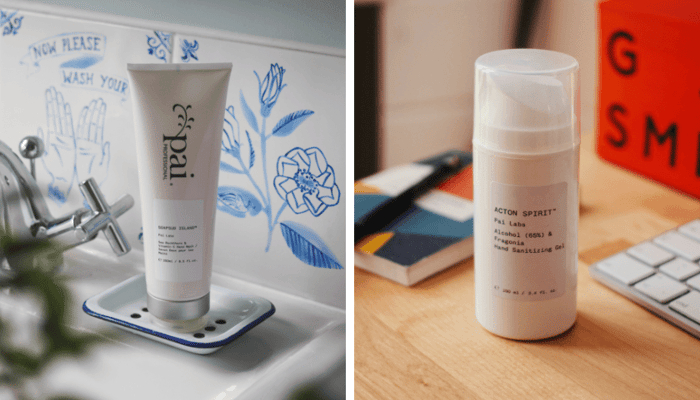
If you're using hand sanitizer, alcohol content determines whether it's actually doing anything. Below 60% alcohol, you're essentially moisturizing bacteria. Above 60%, you're disrupting their cellular structure effectively.
The catch? Higher alcohol content means more barrier disruption. At 70% alcohol (the hospital standard), you're getting maximum antimicrobial effect but also maximum skin impact. Use enough to coat all surfaces, rub until dry (about 20 seconds), and always follow with a proper hand cream once you're home.
Rebuilding What Washing Strips Away
Your hand cream needs to do three things simultaneously: replenish lost lipids, prevent water loss, and create a protective film that survives the next wash. Most hand creams fail because they focus on feel rather than function.
Look for formulas that combine both occlusive ingredients (to seal in moisture) and humectants (to draw water to the skin). Plant oils rich in linoleic acid help rebuild the lipid barrier, while ingredients like glycerin provide immediate hydration. The texture should absorb quickly without leaving residue, because nobody has time to wait for greasy hands to dry.
Our Love And Haight was formulated specifically for frequent washers. Organic avocado oil delivers ceramide precursors while jojoba mimics skin's natural sebum. It absorbs in under a minute and creates a breathable barrier that actually lasts.
The Overnight Recovery Window
Your hands do their best barrier repair work while you sleep. This is when cell turnover peaks and transepidermal water loss naturally decreases. A rich overnight treatment can accelerate this process significantly.
Before bed, apply a generous layer of hand cream and let it work for the full 7-8 hours. If your hands are severely dry or cracked, layer a facial oil like Rosehip Bioregenerate underneath for intensive repair. The omega fatty acids penetrate deep while the cream seals them in.
Prevention Beats Treatment
Prevention beats treatment every time:
Choose gentler cleansers. Harsh sulfates strip more than necessary. Look for soap-free formulations or traditional soaps made with nourishing oils.
Pat, don't rub. Aggressive towel drying causes micro-tears in already compromised skin. Pat dry and apply hand cream while skin is still slightly damp.
Wear gloves for wet work. Dishwashing, cleaning, even food prep. Water itself is drying with repeated exposure, and adding detergents multiplies the effect.
Keep cream everywhere. By the sink, in your bag, at your desk. The more accessible it is, the more likely you'll actually use it.
Address reactions quickly. Red, itchy patches between fingers or on knuckles might be contact dermatitis. Switch to fragrance-free everything and see a dermatologist if it persists beyond a week.
The Bottom Line
Clean hands and healthy skin aren't mutually exclusive. Yes, frequent washing disrupts your barrier. Yes, sanitizers can be harsh. But with the right approach and products, you can maintain hygiene without sacrificing your skin health. Think of hand cream not as a luxury but as barrier maintenance. Your hands will thank you.