
The 11-year-olds who asked about retinoids
When we invited a group of 11-year-old girls from our local school to visit Pai's London lab, they started asking about retinoids within minutes. Not in the hesitant way you'd expect from kids learning something new. These girls had the vocabulary of skincare enthusiasts triple their age.
The workshop was our founder Sarah's direct response to a trend that's been keeping us up at night: children as young as 10 queuing at beauty counters, spending pocket money on acids and anti-ageing serums designed for skin decades older than theirs. After sparking discussion on Instagram about this worrying pattern, Sarah decided to do something practical about it.
Why start with 11-year-olds specifically? The skin's protective barrier continues developing through childhood and doesn't reach full maturity until around age 12. Using active ingredients before this milestone isn't just unnecessary. It's actively risky.
Inside the Pai skin school
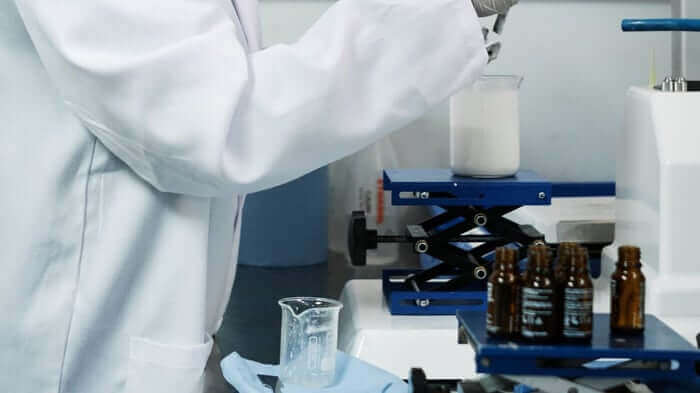
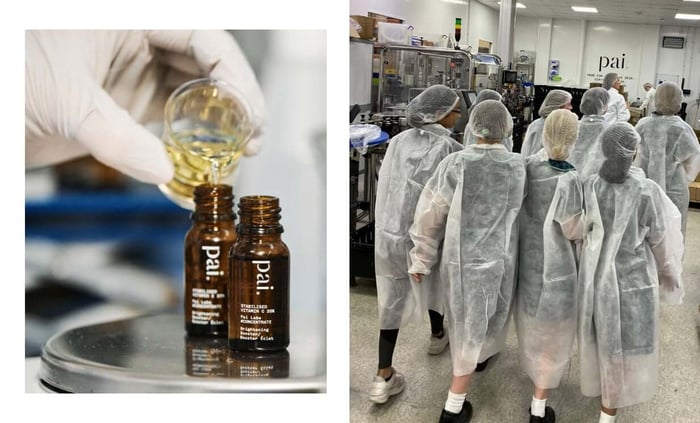
After touring our production facility (where the girls were fascinated by our CO2 extraction equipment), Sarah gave them actual skin physiology instead of product recommendations or routines.
She explained how young skin cells turn over every 21-28 days without any help from exfoliating acids. How their natural collagen production won't peak for another decade. How their sebum production is still finding its rhythm, making harsh actives more likely to trigger irritation than improvement.
The parents learned alongside their daughters. Many admitted they'd been unsure how to counter the skincare advice their children were absorbing from social media. Having a neutral expert explain the science gave them confidence to counter "but everyone else is using it" arguments.
What young skin actually needs
The workshop's most important lesson was straightforward. Sarah broke down what a teenage skincare routine should actually include:
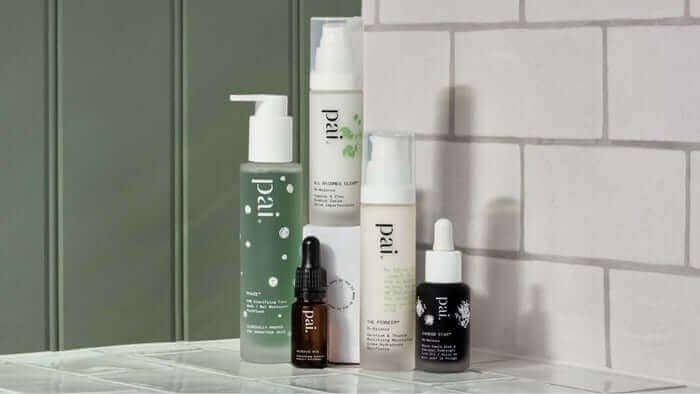
A gentle cleanser. Something that removes dirt and excess oil without stripping the skin's developing barrier. Our Middlemist Seven cleanser uses camellia oil and orange blossom water to clean without disrupting.
Light hydration. Young skin produces plenty of its own moisture. Heavy creams can overwhelm it.
Sun protection. The single most important active for any age. Our British Summer Time SPF 30 uses zinc oxide for broad-spectrum protection without the pore-clogging filters found in many chemical sunscreens.
That's it. No acids. No retinoids. No peptide complexes. Young skin is already doing everything these ingredients claim to stimulate.
The ingredients they absolutely must avoid
Sarah spent considerable time on the "absolutely not until your twenties" list:
Retinoids and retinol: These vitamin A derivatives accelerate cell turnover in mature skin. In young skin that's already turning over rapidly, they cause irritation, peeling, and photosensitivity with zero benefit.
Chemical exfoliants (AHAs/BHAs): Glycolic, lactic, and salicylic acids dissolve the bonds between skin cells. Young skin sheds dead cells efficiently on its own. Adding acids disrupts this natural process and weakens the developing barrier.
High-concentration vitamin C: While antioxidants are beneficial, the 20% L-ascorbic acid serums trending on social media are far too strong for young skin. They're more likely to cause irritation than provide protection.
Peptide complexes: These ingredients stimulate collagen production. Teenagers are already producing maximum collagen. There's nothing to stimulate.
Why non-parental advice matters
The workshop revealed something important: these girls were more receptive to skincare science from a neutral expert than from their parents. Even parents with genuine skincare knowledge found their daughters dismissive of their advice. Having Sarah explain the same concepts in our lab setting made them stick.
It also gave the parents confidence. Several mentioned feeling overwhelmed by their children's skincare questions, unsure whether to restrict products entirely or allow experimentation. Understanding the science behind age-appropriate skincare gave them a framework for those conversations.
The industry's responsibility
This isn't a problem one workshop can solve. The beauty industry created this issue by marketing increasingly potent actives without age guidance. Retailers compound it by allowing children to purchase products that can genuinely harm developing skin.
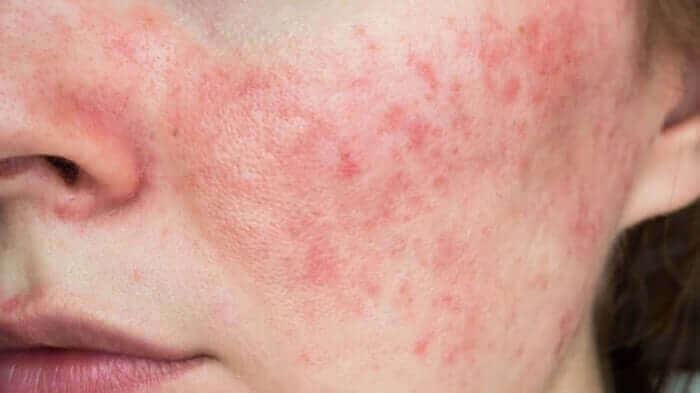
We're not alone in our concern. Dermatologists worldwide are reporting increased cases of perioral dermatitis, contact sensitisation, and chronic irritation in pre-teens using adult skincare. The long-term effects of disrupting skin development with unnecessary actives are still unknown.
What we do know is that young skin is resilient, self-regulating, and perfectly capable of maintaining itself with minimal intervention. The best thing we can do for it is leave it alone to develop properly.
Starting the conversation
If you're concerned about a young person's skincare routine, or you're a teenager yourself trying to navigate conflicting advice, we're here to help. Our skin coaches offer free consultations specifically tailored to young skin concerns.
These are educational conversations about what your skin actually needs at your specific life stage. Book your video consultation here.
The truth about young skin is simple: it already knows what it's doing. Let it.
Frequently Asked Questions
Why shouldn't children and tweens use active skincare ingredients like retinoids and acids?
Scientists believe the skin's protective barrier isn't fully formed until around age 12, which means young skin is especially vulnerable to damage from potent actives. Products containing retinoids, AHAs, and other high-performance ingredients are formulated for mature skin concerns that children simply don't have, and using them too early risks harming that still-developing barrier.
What age should someone start using active ingredients in their skincare?
Pai's Founder Sarah advises avoiding actives like retinoids, exfoliating acids, and peptides until your twenties. Before then, a simple routine suited to young skin is all that's needed, as teen skin doesn't require the same intervention as adult skin.
What does an appropriate skincare routine for teenagers look like?
While the post doesn't prescribe a specific routine, the guidance is clear: keep it simple and age-appropriate. If you're unsure what products are safe and suitable for a teen, Pai offers free skin consultations with expert skin coaches via video call, with no obligation to purchase.
Why are so many young people using adult skincare products?
Social media tutorials and viral product trends are driving tweens and teens, mostly girls, to beauty counters to buy products designed for adult skin. Pai found that even 11 year olds already had detailed knowledge of retinoids, peptides, Vitamin C, AHAs, and double cleansing, which shows just how deeply this messaging has reached young audiences.
How can parents talk to their children about skincare choices?
Pai's experience suggests that tweens and teens are more likely to listen to advice from a neutral, unfamiliar source than from a parent. Booking a free consultation with one of Pai's skin coaches can be a great way to give your child expert, trustworthy guidance they're more receptive to. You can schedule a video call on Pai's website with no obligation to buy anything.