
Sports drinks promise superior hydration, but most of us are drinking expensive sugar water when plain water would do the job better.
The isotonic drinks industry is worth billions, built on claims that their special formulas of salts, minerals and electrolytes match what your body loses during exercise. They position themselves as essential for anyone who sweats.
Except when the BBC's Panorama investigated these claims, they found zero evidence that sports drinks improved exercise or performance for regular people. Not elite athletes. Regular people.
The truth? Most of us aren't training hard enough to need anything beyond water. And those electric-blue drinks come loaded with sugar, often 20-30g per bottle. That's not just cancelling out your workout. It's triggering inflammation that shows up on your skin as breakouts, dullness, and accelerated ageing.
What actually works for hydration
I checked in with nutritionist Madeleine Shaw to cut through the marketing. Her take? Refreshingly straightforward.
"Water should always be your primary source of hydration," she says. "Aim for two litres a day. Nothing hydrates as effectively as water, despite what the ads claim."
But she does have three smart ways to boost your hydration naturally, especially post-workout:
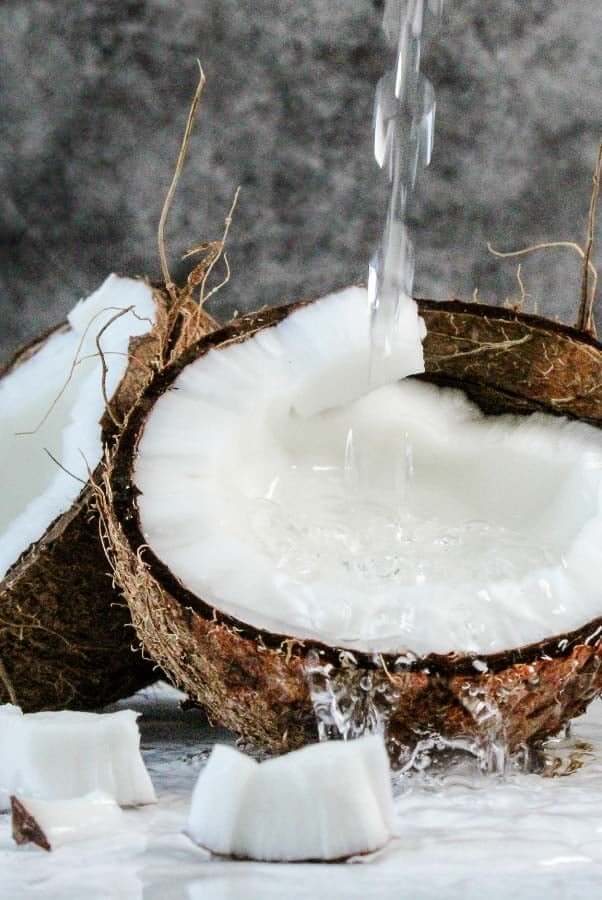
Coconut water
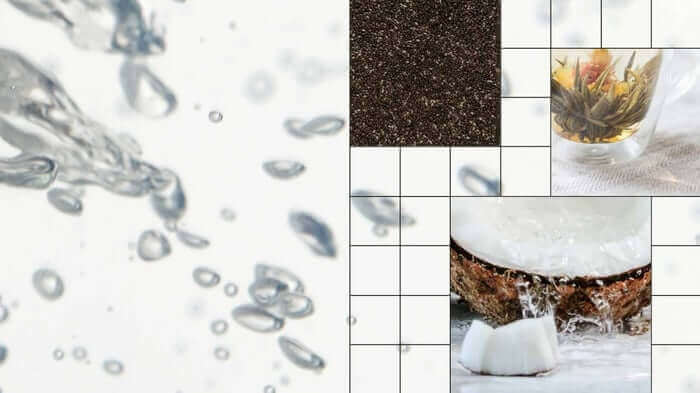
Nature's own sports drink, minus the neon colours. Contains naturally occurring potassium, sodium, magnesium, phosphorous and calcium. These are the actual electrolytes your body loses when you sweat, delivered without synthetic additives or sugar spikes.
Chia seeds
These tiny powerhouses hold 10-12 times their weight in water. They're hydrophilic, which means they help your body retain water and electrolytes longer. Madeleine adds them to water or almond milk and sips throughout the day. Simple. Effective.
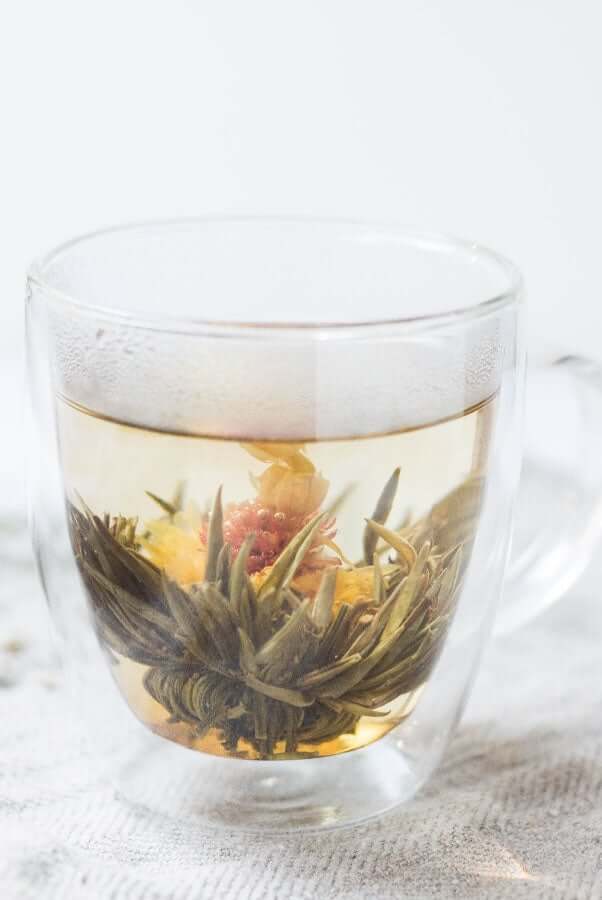
Herbal teas
If plain water bores you, herbal teas count towards your daily intake. Warm lemon water is particularly good for digestion. No sugar. No artificial anything. Just hydration with benefits.
The skin connection
What you drink shows up on your skin within hours, something most hydration advice completely ignores. Dehydration makes fine lines more visible, slows cell turnover, and compromises your barrier function. Sugar triggers glycation, breaking down collagen and elastin.
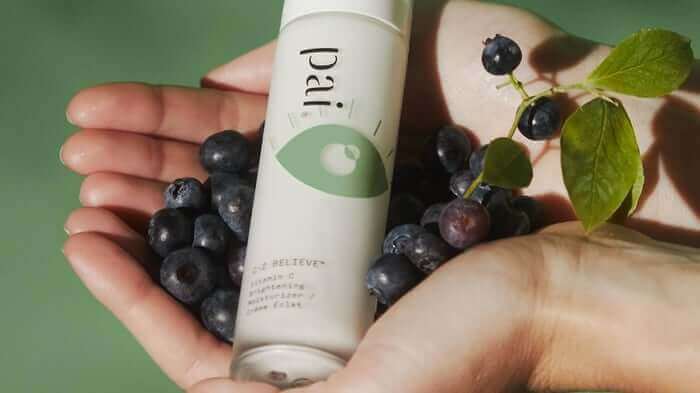
External hydration matters too. While you're drinking your two litres, your skin needs topical support. The Anthemis delivers ceramides and fatty acids to strengthen your barrier. For deeper hydration, Hyaluronic Acid 0.3% uses multi-molecular hyaluronic acid to pull moisture into skin at different depths.
The combination? Internal hydration from water (and maybe some coconut water post-gym), plus targeted skincare that reinforces your barrier. That's how you get skin that looks plump, clear and genuinely healthy.
Skip the sports drinks. Your skin will thank you.
Frequently Asked Questions
Is water really the most hydrating drink you can have?
Yes. Nutritionist Madeleine Shaw confirms that water should always be your primary source of hydration and nothing can hydrate you as effectively, despite the claims made by sports drink brands. She recommends aiming for two litres a day.
Are sports drinks actually better for hydration than water?
Not for most people. While isotonic drinks contain electrolytes and minerals, a BBC Panorama investigation found no evidence that a leading sports drink improved exercise or performance for the average person. The high sugar and additive content can also cancel out the benefits of exercise and negatively affect your skin.
Why is coconut water a good alternative to sports drinks?
Coconut water naturally contains potassium, sodium, magnesium, phosphorous and calcium, so it replenishes the electrolytes you lose through sweat without the added sugar and artificial ingredients found in commercial sports drinks. Madeleine Shaw describes it as nature's own great-tasting sports drink.
How do chia seeds help with hydration?
Chia seeds can hold 10 to 12 times their own weight in water and are hydrophilic, meaning they prolong hydration and help retain electrolytes in your fluids. Try adding them to a bottle of water or almond milk and sipping throughout the day.
What if I struggle to drink two litres of water a day?
Madeleine Shaw suggests mixing things up with herbal teas or warm lemon water, which also supports digestion. These count towards your daily intake and can make hitting that two-litre target feel much more manageable.