
You've heard of upcycling furniture. Maybe even clothes. But transforming waste into skincare? That's where things get interesting.
The idea is simple: take something destined for the bin and turn it into something your skin actually wants. We've been doing exactly that for years. Not because it's trendy, but because some of the most nutrient-rich skincare ingredients come from what other industries throw away.
We've been certified organic since day one because sustainability isn't an add-on for us - it's how we think about formulation.
Here's how it actually works, why it matters for your skin, and what the difference is between upcycled and zero waste ingredients.
What is upcycling in skincare?
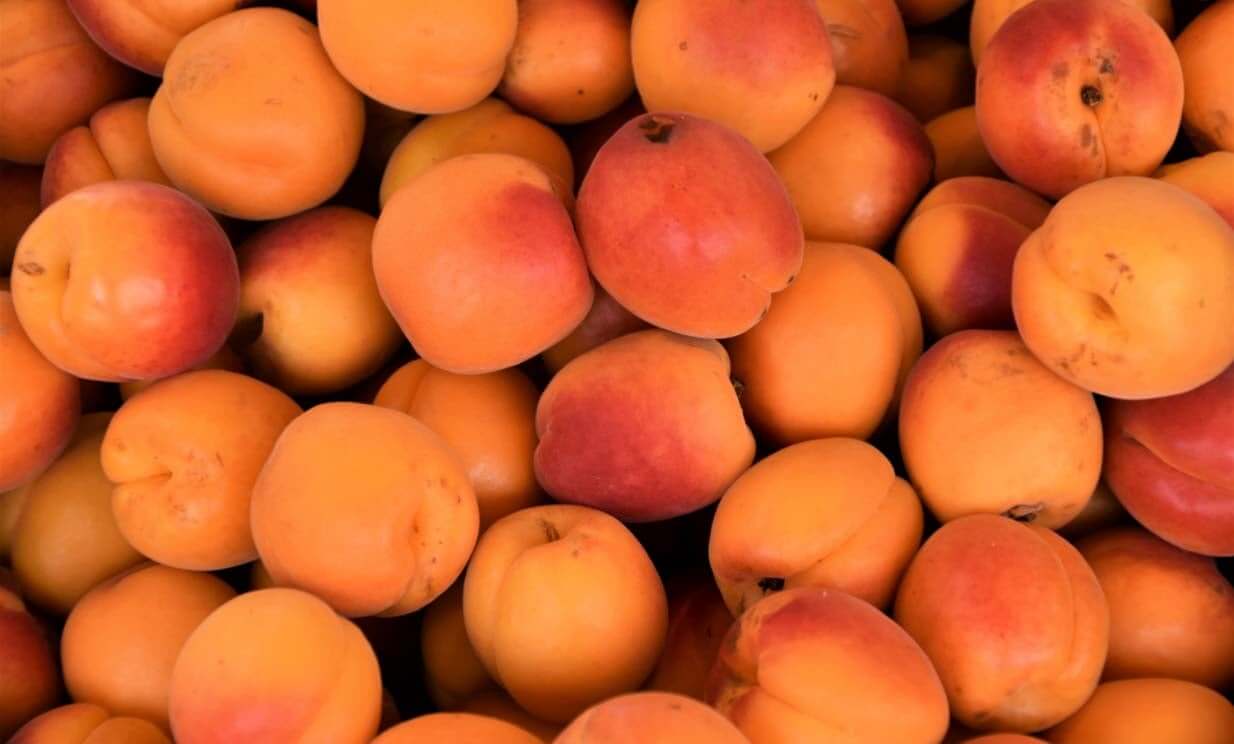
Upcycling in beauty means taking waste from another industry (usually food or agriculture) and transforming it into skincare actives. Think apricot kernels from jam factories. Bilberry seeds from juice producers. Coffee grounds from cafes.
Unlike recycling, upcycling improves the quality of the waste product. When you recycle plastic, each cycle degrades the material. When you upcycle bilberry seeds into a nutrient-rich oil, you're creating something more valuable than what you started with.
The process requires two industries working together. One gets rid of waste. The other gains high-quality ingredients. Both reduce their environmental footprint.
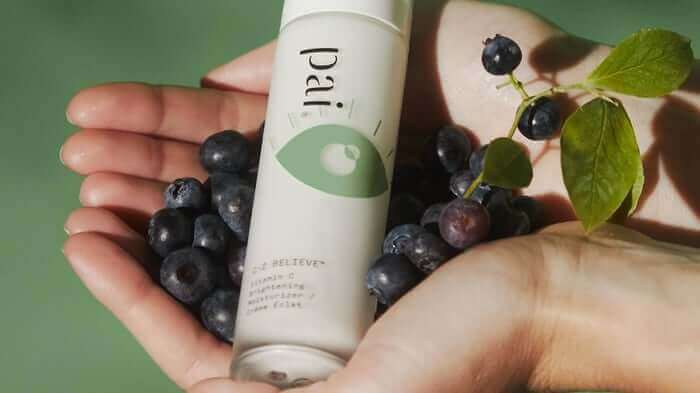
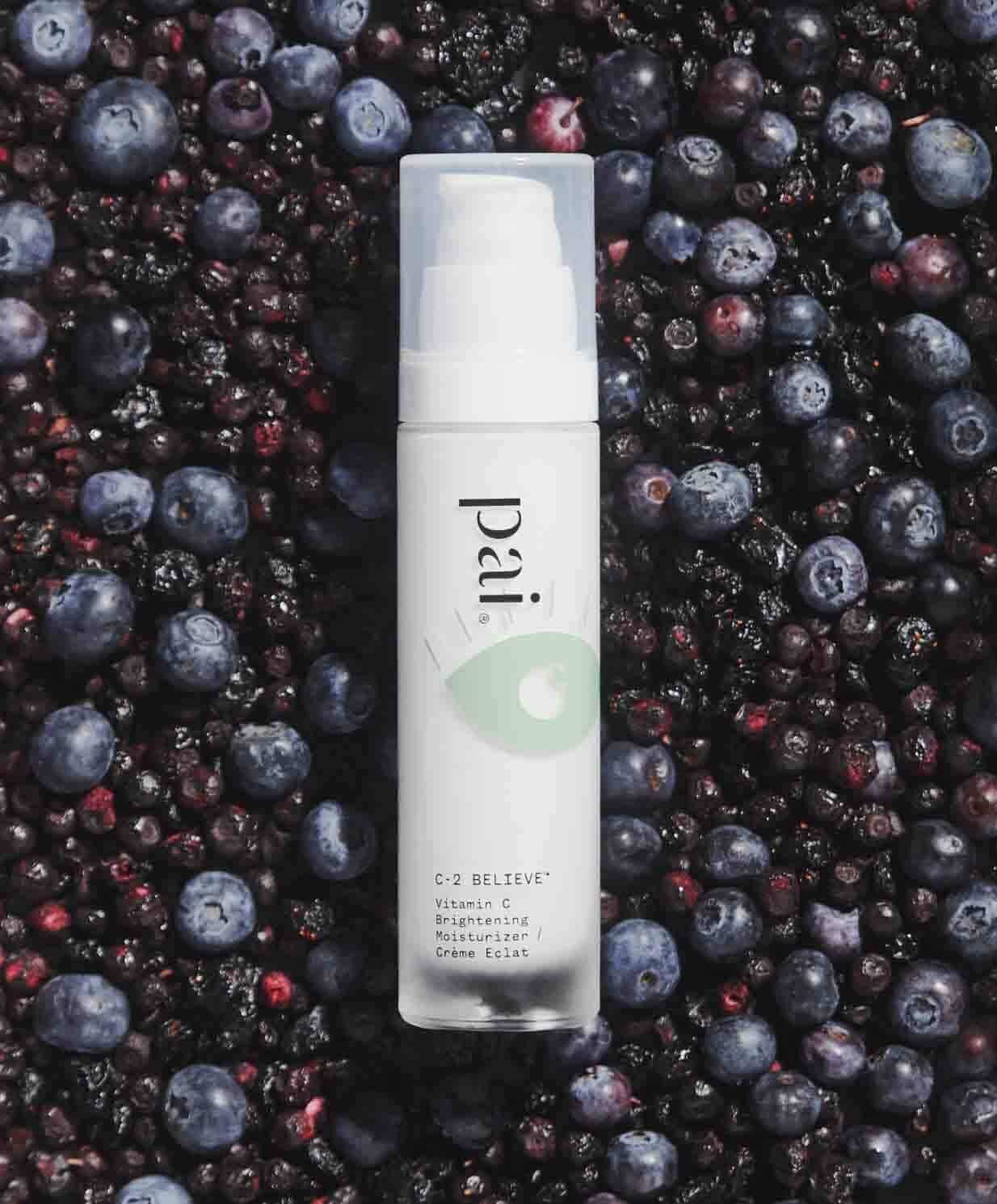
In our C-2 Believe, we use upcycled bilberry extract from seeds the juicing industry would otherwise bin. These seeds are rich in omega fatty acids that help skin build ceramides. What's waste to them is gold to us.
The numbers are compelling: less landfill waste, fewer virgin crops needed, smaller carbon footprint for both industries.
Zero waste: a different approach
While upcycling transforms existing waste, zero waste prevents it from being created in the first place.
Zero waste ingredients are grown specifically for skincare, with every part of the plant finding a purpose. Nothing goes to landfill. The bits not suitable for cosmetics become animal feed or natural fertiliser.
Our C-2 Believe moisturiser uses zero-waste camellia oil alongside its upcycled bilberry. The camellia is grown for its oil, with leftover plant matter composted or used as feed. Same environmental thinking, different approach.

How to find upcycled and zero waste beauty products
More brands are using upcycled ingredients now, which means more choice for you. Brands using them usually make it clear on their packaging and marketing. Look for markers of authenticity like Soil Association or COSMOS logos to separate genuine commitment from greenwashing.
These ingredients pop up everywhere in natural skincare. Cleansers, oils, serums, masks. We're seeing more suppliers invest in upcycling technology, which means better ingredients and more options.
At Pai, our entire range carries COSMOS certification, meaning every ingredient meets strict sustainability criteria. We've been using upcycled apricot kernel oil for years. You'll find it in The Anthemis, Virtuous Circle, Feather Canyon, and Salvation Jane. More recently, we added it to C-2 Believe.
But eco credentials alone don't cut it. We choose these ingredients because they deliver serious skin benefits.
Why upcycled ingredients work brilliantly for skin
Take our Vitamin C face cream. The bilberry, plum and apricot oils come from agricultural and food industry waste. These seeds and kernels would typically end up in landfill. Instead, we extract their oils through cold pressing or CO2 extraction.
The bilberry extract is particularly exciting for sensitive skin. It's packed with omega fatty acids your skin uses to build ceramides. These are the lipids that form your barrier. More ceramides means stronger, less reactive skin.
The zero waste botanicals (camellia oil and mango seed butter) bring their own benefits. Rich in antioxidants, polyunsaturated fatty acids and flavonoids, they support barrier function while protecting against environmental damage.
Good for the planet. Great for your skin. That's the point of thoughtful formulation.
Shop our certified organic skincare range and discover more products with upcycled and zero waste ingredients.
Frequently Asked Questions
What is the difference between upcycled and zero waste ingredients in skincare?
Upcycled ingredients are waste products from another industry, like food or juice production, that have been transformed into high-quality skincare actives. Zero waste ingredients are grown specifically for their skincare purpose, with any byproducts carefully managed and reused (for example as animal feed or fertiliser) so nothing goes to landfill.
Why is upcycling considered better than recycling?
With recycling, materials like plastic degrade in quality over time. Upcycling is always an upgrade, taking something that would otherwise be binned and transforming it into something of higher value. It also reduces the need for new production, which means fewer resources used and fewer emissions overall.
What upcycled ingredients does Pai use and what do they do for skin?
Pai uses upcycled Bilberry Seed Oil (from juicing industry waste), Plum Seed Oil and Apricot Kernel Oil (from food and agricultural byproducts) across its range. The Bilberry extract is especially notable for sensitive skin as it's rich in omega fatty acids that help build ceramides, the structural lipids your skin barrier depends on.
Which Pai products contain upcycled or zero waste ingredients?
C-2 Believe Vitamin C Moisturiser is the standout, combining upcycled Bilberry, Plum and Apricot oils with zero waste Camellia Oil and Mango Seed Butter. You'll also find upcycled Apricot Kernel Oil in The Anthemis, Feather Canyon, Virtuous Circle and Salvation Jane.
How can I tell if a skincare product genuinely contains upcycled or zero waste ingredients?
Look for third-party certifications like the Soil Association or COSMOS logos, which verify that ingredients are responsibly sourced and meet strict organic or natural standards. Brands that use these ingredients will typically be transparent about it, but the certification is what separates genuine sustainability from marketing claims.