
The connection between dairy and skin health fascinates me. Some people cut out milk and their eczema calms within days. Others see zero change. I've noticed patterns that might help you work out which camp you're in.
Why your skin loves aged cheese but hates fresh milk
Dairy isn't one thing. It's a vast food group spanning everything from straight milk to aged Parmesan. Your skin might hate one and love another.
The main culprit tends to be lactose, the natural sugar in milk. If you're low on lactase (the enzyme that breaks down lactose), your body struggles to process it. The result? Gut inflammation that often shows up on your skin as eczema flares, breakouts, or general irritation.
But lactose content varies wildly across dairy products. A glass of milk contains around 12g of lactose. Greek yoghurt? Less than 4g. Aged cheddar? Virtually none.
Why yoghurt gets a free pass
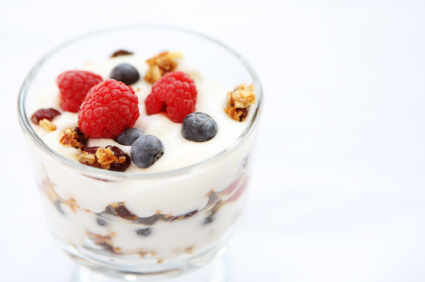
The culturing process in yoghurt breaks down most of the lactose before it reaches your gut. Those beneficial bacteria do the hard work your body might struggle with. Greek yoghurt takes this further, straining out even more lactose along with the whey.
Hard cheeses work on a similar principle. As cheese ages, bacteria consume the lactose. The harder the cheese, the less lactose remains. Parmesan, aged for at least 12 months, contains essentially zero lactose. Fresh mozzarella? Still loaded with it.
Spotting the patterns in your skin
If dairy affects your skin, you'll typically see reactions within 24-72 hours. Common signs include:
Eczema flares: existing patches become redder, itchier, or spread to new areas. The inflammation often concentrates around the mouth, chin, and jawline.
Cystic breakouts: deep, painful spots that take weeks to heal. These differ from surface breakouts and often cluster along the jawline and neck.
General inflammation: skin feels hot, looks puffy, or becomes more reactive to your usual products.
Track what you eat and how your skin responds over two weeks. Note specific products, not just "dairy". The patterns will tell you more than any elimination diet.
Supporting your skin through dietary changes
Whether you're testing dairy sensitivity or already know it's a trigger, your skin needs extra support during flare-ups. Focus on calming inflammation while your skin barrier repairs itself.
The Anthemis contains CO2-extracted German chamomile, which delivers concentrated anti-inflammatory compounds directly to irritated skin. For active breakouts, our C-2 Believe combines stable vitamin C with anti-inflammatory sea buckthorn to calm spots while preventing post-inflammatory marks.
During severe eczema flares, simplify your routine. Gentle cleansing, barrier repair, and avoiding known triggers matter more than active ingredients.
Making informed choices
If you suspect lactose intolerance, start by swapping obvious sources: milk, cream, ice cream. But don't eliminate everything at once. You might tolerate fermented dairy perfectly well.
Good swaps include:
Oat milk (naturally creamy, fortified options available)
Coconut yoghurt (check for live cultures)
Nutritional yeast (for that umami hit in cooking)
Aged cheeses if tolerated (Parmesan, aged cheddar, Gruyère)
Remember, skin health involves multiple factors. Diet matters, but so do stress, sleep, hormones, and your skincare routine. If eliminating dairy doesn't improve your skin within 4-6 weeks, the trigger likely lies elsewhere.
For persistent eczema or severe reactions, consult a dermatologist or registered dietitian. They can run proper allergy tests and ensure any elimination diet meets your nutritional needs.
What triggers one person's eczema might be another's daily staple. Listen to your skin, track the patterns, and make choices based on your own evidence.