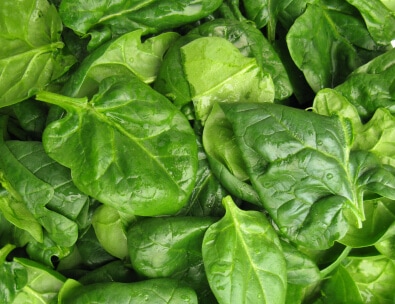

Watercress keeps proving itself worthy of the hype, and for good reason. This peppery little leaf packs more vitamin C than oranges and delivers beta-carotene levels that put most vegetables to shame.
Recent research shows that eating 80g of watercress daily (about two generous handfuls) can visibly improve skin texture, reduce the appearance of sun spots, and even help with redness. The reason is straightforward: its powerful combination of antioxidants.
Why watercress works for your skin
Watercress delivers two skin-supporting heavyweights: vitamin C and beta-carotene. Vitamin C is essential for collagen production, which keeps skin firm and smooth. Beta-carotene converts to vitamin A in your body, helping with cell turnover and repair.
Dr Sarah Schenker, the nutritionist who oversaw a key watercress study, found these nutrients "cannot only help to slow down the ageing of our skin, but may actually reverse some of the effects of damage." That's a bold claim backed by solid science.
The antioxidants in watercress work by neutralising free radicals, those unstable molecules that break down collagen and accelerate visible ageing. Think of it as internal protection working alongside your topical skincare routine.
How to eat more watercress
Getting your 80g daily is simpler than it sounds. Watercress has a distinctive peppery taste that works brilliantly in:
Smoothies: Blend a handful with apple, cucumber and ginger. The sweetness balances the pepper perfectly.
Soups: Watercress soup is a British classic. Sauté with potato and stock, blend until smooth.
Salads: Mix with gentler leaves like baby spinach if the flavour feels too strong on its own.
Sandwiches: Swap your usual lettuce for watercress. It pairs particularly well with egg or smoked salmon.
Pesto: Replace basil with watercress for a peppery twist on the Italian staple.
Buy it fresh and use within a few days. The leaves should be vibrant green without any yellowing. Store in the fridge with stems in water, like a bouquet.
The inside-out approach to skin health
Here at Pai, we've always believed amazing skin starts from within. While our vitamin C serum delivers antioxidants topically, foods like watercress support your skin at a cellular level.
This inside-out approach means thinking about:
What you eat: Focus on antioxidant-rich foods, healthy fats, and plenty of water. Our 'Five a Day' diet guide breaks down the skin-food connection.
How you manage stress: Chronic stress triggers inflammation, which shows up on your skin. Simple stress-reduction techniques can make a visible difference.
Your sleep quality: Sleep-deprived skin struggles to repair itself. Those 7-9 hours aren't negotiable if you want skin that repairs itself properly.
Environmental protection: Antioxidant-rich foods help defend against pollution and UV damage from the inside, while mineral SPF like our British Summer Time protects from the outside.
Beyond watercress: other skin superfoods
While watercress deserves its superfood status, variety matters. Other antioxidant powerhouses include:
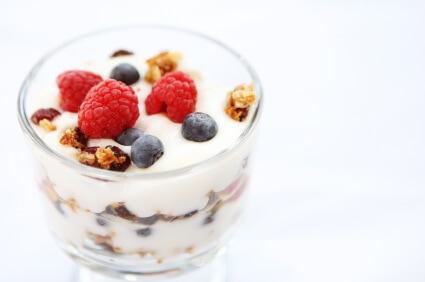
Berries (especially blueberries and blackberries) for anthocyanins. Sweet potatoes for beta-carotene. Tomatoes for lycopene. Brazil nuts for selenium. Oily fish for omega-3 fatty acids.
The key is consistency. One watercress salad won't transform your skin, but making antioxidant-rich foods a daily habit will. Combined with a simple, effective skincare routine, you're giving your skin everything it needs to thrive.
No single food will transform your skin overnight. Healthy skin comes from a balanced approach: good nutrition, gentle skincare, adequate sleep, and stress management. Watercress is just one particularly powerful piece of that puzzle.