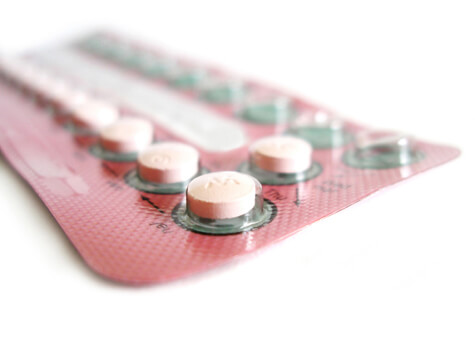

Can the contraceptive pill cause sun damage?
Most dermatologists know this but rarely discuss it: your birth control might be making you more vulnerable to the sun. Not just sunburn, but actual sun damage. Pigmentation. Dark patches. The kind that shows up years later and makes you wonder why your SPF routine wasn't enough.
The research on hormonal contraceptives and photosensitivity is solid. But it rarely makes it into the conversation when you're choosing contraception or planning your sun protection strategy.
The science of hormonal photosensitivity
When you take hormonal contraceptives, you're introducing synthetic hormones that can fundamentally change how your skin responds to UV exposure. The mechanism is actually straightforward.
Oestrogen and progesterone (whether synthetic or natural) stimulate melanocyte activity. These are the cells that produce melanin, your skin's natural pigment. Under normal circumstances, this is protective. But when you combine hormone-stimulated melanocytes with UV exposure, you get overproduction. Patches of hyperpigmentation. Melasma. Sun spots that appear darker and more stubborn than usual.
The research shows that women on hormonal contraceptives have significantly increased rates of melasma compared to those who aren't. It's not a small difference. This condition affects millions of women, particularly those with darker skin tones where melanocytes are already more active.
Which medications increase sun sensitivity?
The pill isn't alone in making your skin more reactive to sunlight. A whole category of medications can trigger photosensitivity reactions:
Hormonal medications: Combined oral contraceptives, hormone replacement therapy, and even some fertility treatments all increase melanocyte activity.
Antibiotics: Tetracyclines (including doxycycline for acne) and fluoroquinolones are notorious photosensitizers. They can cause severe sunburn-like reactions even with minimal sun exposure.
Anti-inflammatories: Some anti-inflammatory painkillers, particularly naproxen, can trigger photosensitive reactions in susceptible individuals.
Skincare actives: Retinoids, AHAs, and benzoyl peroxide all increase photosensitivity. If you're using these while on the pill, you're doubling down on sun vulnerability.
What's frustrating is that this information rarely makes it onto medication leaflets in clear terms. You might see "avoid excessive sun exposure" buried in the small print, but not "this medication can cause permanent dark patches on your face if you're not careful."
What photosensitivity looks like on skin
Photosensitivity doesn't always show up as sunburn. With hormonal photosensitivity, you might not burn at all. Instead, you'll notice:
Dark patches appearing on the forehead, upper lip, and cheeks (the classic melasma pattern). Existing freckles and sun spots becoming darker and more prominent. Uneven pigmentation that seems to appear overnight after sun exposure. A general darkening of the skin that doesn't fade when your tan does.
On darker skin tones, these changes can be particularly distressing. The patches appear as darker brown or grey-brown areas that stand out starkly against the surrounding skin. On lighter skin, they might show as light brown patches that look like persistent tan marks.
The worst part is that this pigmentation can be incredibly stubborn. While a regular tan fades in weeks, hormonally-triggered pigmentation can last months or even years. Some women find it never fully resolves, even after stopping hormonal contraception.
Protecting photosensitive skin
If you're on hormonal contraception (or any photosensitizing medication), your sun protection game needs to be impeccable.
Start with SPF 30 minimum, applied properly. That means a full teaspoon for your face and neck, reapplied every two hours when outdoors. British Summer Time SPF 30 provides mineral protection that sits on the skin's surface, reflecting UV rays before they can trigger melanocyte activity. The zinc oxide formula is particularly effective against UVA rays, which are the primary culprits in hormonal pigmentation.
But SPF alone isn't enough. Physical barriers matter just as much. Wide-brimmed hats. Sunglasses that actually cover the eye area. Seeking shade between 11am and 3pm when UV radiation peaks.
For existing pigmentation, patience and consistency are key. The Impossible Glow contains ingredients that help regulate melanin production over time. But prevention is always more effective than treatment when it comes to hormonal pigmentation.
The conversation we should be having
This isn't about scaremongering or suggesting anyone should stop taking necessary medications. Hormonal contraception is safe and effective for millions of women. Antibiotics treat infections that need treating.
But informed choice requires complete information. If you're starting hormonal contraception, your doctor should be discussing sun protection as seriously as they discuss other side effects. If you're prescribed doxycycline for acne, you should know that a single day at the beach without proper protection could leave you with burns that blister.
Knowing what you're dealing with isn't scary. Not knowing is what causes anxiety. Knowing that your medication makes you more sun-sensitive means you can take appropriate precautions. Not knowing means you might spend years wondering why your skin is suddenly so prone to dark patches, despite using SPF "most of the time."
The pharmaceutical industry could do better here. Clear, prominent warnings about photosensitivity. Specific guidance about what "avoid excessive sun exposure" actually means in practice. Because for many women, the first time they learn about the connection between their contraception and their melasma is in a dermatologist's office, years after the damage is done.
Living well with photosensitive skin
Having photosensitive skin doesn't mean hiding from the sun forever. It means being smarter about exposure. Plan outdoor activities for early morning or late afternoon. Make SPF application as routine as brushing your teeth. Invest in sun protection you actually enjoy using, because grudging application leads to inadequate coverage.
Consider your whole routine. If you're using retinoids or acids in your skincare, you might want to simplify while your skin is hormonally primed for pigmentation. Save the aggressive actives for winter months when UV exposure is naturally lower.
Track your skin changes. Photograph any new or darkening patches. This documentation helps if you need dermatological treatment later, and it helps you understand your own patterns of sensitivity.
Most importantly, don't let perfect be the enemy of good. Consistent, adequate sun protection is better than sporadic perfection. The goal isn't to live in fear of the sun, but to understand your skin's specific vulnerabilities and protect accordingly.
Hormonal pigmentation might be common, but it's not inevitable. With the right knowledge and the right protection, you can take your medication and enjoy your life in the sun. You just need to know what you're dealing with first.