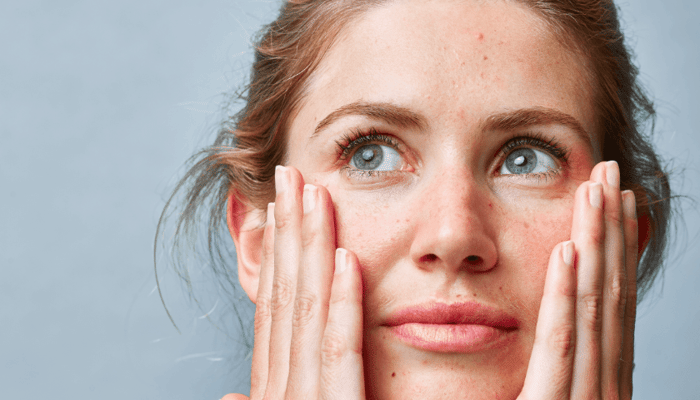

Rosacea affects around 5% of the global population, with millions searching for skincare that calms rather than aggravates their condition. If you're among them, you'll know the frustration of products that promise to soothe but leave your skin angrier than before. The good news? Science has identified exactly which ingredients trigger flares. The even better news? We've spent over 15 years formulating around them.
Recent research reveals that 82% of rosacea patients report certain skincare products aggravate their condition. But here's what matters more: choosing products specifically designed for reactive skin can transform how you manage rosacea. That's where targeted formulations make all the difference.

The science of rosacea triggers
Understanding what causes rosacea flares is the first step to calmer skin. While the exact mechanisms are still being studied, we know that certain ingredients consistently trigger inflammation in sensitive skin. A National Rosacea Society survey of over 1,000 patients identified the most common culprits:
- Alcohol (66%): The worst offender for rosacea-prone skin
- Fragrance (30%): Both synthetic and natural fragrances can trigger reactions
- Witch Hazel (30%): Often mixed with alcohol during processing
- Menthol (21%): Creates a cooling sensation but irritates sensitive skin
- Peppermint (14%): All mint oils are potent triggers
- Eucalyptus (13%): Another fragrant oil that spells trouble
Let's break down why these ingredients cause such havoc on rosacea-prone skin.
1. Alcohol: The barrier breaker
Not all alcohols are created equal, but the ones you'll find in most skincare products are bad news for sensitive skin. Astringent alcohols like ethanol, isopropyl alcohol, and SD alcohol are used for their drying and antibacterial properties. They evaporate quickly, taking your skin's natural moisture with them.
For rosacea skin, this is a disaster. Alcohol disrupts your skin barrier, leaving it vulnerable to irritation and unable to retain moisture. The result? More redness, more sensitivity, and a damaged moisture barrier that takes days to repair.
Worth noting: fatty alcohols like cetyl and stearyl alcohol are completely different. These are moisturising ingredients that actually help repair barrier function. Always check which type of alcohol is in your products.
2. Witch hazel: Natural doesn't mean gentle
Here's a perfect example of why "natural" doesn't automatically mean "good for sensitive skin." Witch hazel has antioxidant and astringent properties, which sounds great. The problem? During the distillation process, witch hazel is often mixed with alcohol, turning it into another barrier-disrupting ingredient.
Even alcohol-free witch hazel extracts can be too astringent for rosacea skin. Save it for occasional spot treatment on blemishes, not daily use on reactive skin.

3. Fragrance: The hidden irritant
Fragrance is everywhere in skincare, and it's a minefield for sensitive skin. Whether synthetic or natural, fragrances are complex molecules that can trigger inflammation. The tricky part? Fragrance can hide under dozens of different names on ingredient lists.
Even "unscented" products may contain masking fragrances to cover unpleasant smells from other ingredients. At Pai, we never use fragrance in any form. If our products smell of anything, it's the natural scent of the ingredients themselves.
4. Menthol and mint oils: Cool sensation, hot reaction
That tingling sensation from menthol? It's actually a sign of irritation. Menthol and all mint-derived oils (peppermint, spearmint) are potent triggers for sensitive skin. They may feel soothing initially, but they're actually causing micro-inflammation that leads to flares.
Remember: menthol is technically an alcohol too, which explains its drying effect on skin.
5. Eucalyptus: Antibacterial but aggravating
Like mint oils, eucalyptus is a fragrant oil with antibacterial properties. For rosacea skin, those benefits aren't worth the irritation risk. The volatile compounds that give eucalyptus its distinctive scent are the same ones that trigger inflammation in sensitive skin.
Beyond ingredients: Understanding your rosacea triggers
Rosacea generally remains undetected but becomes activated by specific triggers. While we've focused on topical ingredients, it's worth understanding the bigger picture. Common triggers include:
- Temperature extremes: Hot showers, cold wind, sudden temperature changes
- Sun exposure: UV radiation is a major trigger for most sufferers
- Dietary factors: Spicy foods, hot beverages, alcohol (especially red wine)
- Stress: Emotional stress can trigger inflammatory responses
- Exercise: Intense workouts that raise body temperature
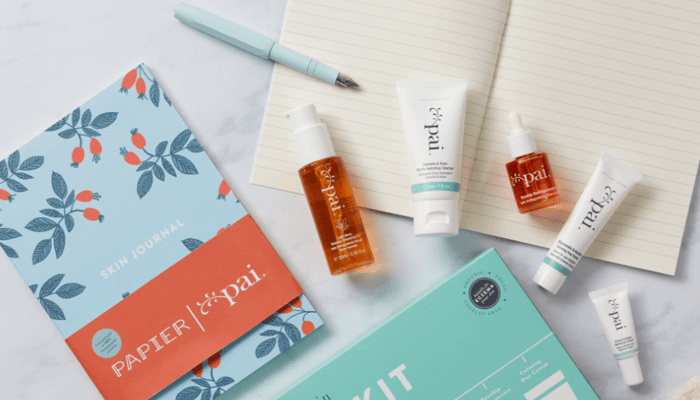
Keeping a skin diary helps identify your personal triggers. Track what you eat, your stress levels, products used, and any flare-ups. Patterns usually emerge within a few weeks.
Building a rosacea-friendly routine with The Anthemis collection
Now for the good news. Having rosacea doesn't mean settling for basic, ineffective skincare. Our Calm Anti-Redness collection proves that products can be both gentle and genuinely transformative.
The star of the range is The Anthemis Calming Daily Moisturiser. We formulated this specifically for reactive, rosacea-prone skin, using CO2-extracted German chamomile as the hero ingredient. Why CO2 extraction? It preserves the full spectrum of anti-inflammatory compounds that traditional extraction methods destroy.
The result is a moisturiser that actively reduces redness while strengthening your barrier function. Clinical trials showed visible reduction in redness and irritation within 4 weeks. No fragrance, no alcohol, no known irritants. Just intelligent formulation that works with your skin, not against it.
The complete calm routine
For optimal results, The Anthemis works beautifully as part of a complete routine:
- Instant Kalmer Redness Serum: Apply this first for immediate relief. Sea aster and echium oil calm inflammation at the source.
- The Anthemis Calming Daily Moisturiser: Lock in the serum's benefits while adding barrier-strengthening ceramides and omegas.
- Middlemist Seven Facial Oil: For extra nourishment, especially in winter. The hypoallergenic formula won't trigger sensitivity.
- Century Flower Light Gel-Cream: Perfect for warmer months when you need hydration without heaviness.
Each product in this routine has been independently tested on sensitive skin. More importantly, they're formulated to work synergistically, enhancing each other's calming effects.
Practical tips for managing rosacea
Beyond avoiding triggers and choosing the right products, these strategies help keep rosacea under control:
Patch test everything. Even products designed for sensitive skin can cause individual reactions. Test on your inner wrist or behind your ear for 48 hours before applying to your face.
Keep it simple. The more products you use, the more potential triggers you're exposing your skin to. Start with a basic routine and only add products when your skin is stable.
Temperature matters. Use lukewarm water for cleansing. Hot water dilates blood vessels and cold water can shock sensitive skin.
Sun protection is non-negotiable. UV exposure is a leading trigger for flushing and redness. Choose mineral sunscreens with zinc oxide or titanium dioxide, which are less likely to irritate than chemical filters.
Be patient. Rosacea skin takes time to heal. Give new products at least 4-6 weeks before judging their effectiveness, unless you have an immediate negative reaction.
When to seek professional help
While the right skincare routine makes a significant difference, rosacea is a medical condition that sometimes needs professional treatment. See a dermatologist if:
- Your rosacea is getting progressively worse despite avoiding triggers
- You're developing pustules or papules
- Your eyes are affected (ocular rosacea)
- Over-the-counter products aren't providing enough relief
A dermatologist can prescribe topical or oral medications that work alongside your skincare routine for comprehensive management.
Living well with rosacea
Having rosacea doesn't mean hiding behind heavy makeup or avoiding social situations. With the right knowledge, products, and routine, most people achieve significant improvement in their symptoms.
The key is understanding your skin's unique needs and respecting them. Avoid known irritants, invest in quality products designed for sensitivity, and be consistent with your routine. Your skin might be reactive, but it's also resilient. Give it what it needs, and it will reward you with calmer, clearer days ahead.
Ready to start your journey to calmer skin? Book a free telephone consultation with our Sensitive Skin Experts. They'll create a personalised routine based on your specific triggers and concerns. Because everyone's rosacea is different, and your skincare should be too. You might also find our guide to comprehensive guide to rosacea helpful. You might also find our guide to certified organic helpful.BOOK CONSULTATION
Frequently Asked Questions
Which skincare ingredients are most likely to trigger rosacea flare-ups?
A National Rosacea Society survey of over 1,000 patients identified six key culprits: alcohol (66% of patients affected), fragrance (30%), witch hazel (30%), menthol (21%), peppermint (14%), and eucalyptus (13%). These ingredients cause problems because they either strip the skin barrier, trigger micro-inflammation, or introduce volatile compounds that provoke an immune response in reactive skin.
Why is alcohol so damaging for rosacea-prone skin?
Astringent alcohols like ethanol, isopropyl alcohol, and SD alcohol evaporate quickly and take the skin's natural moisture with them, disrupting the barrier and leaving it vulnerable to irritation. However, fatty alcohols like cetyl and stearyl alcohol are completely different; these are moisturising ingredients that actually help repair barrier function. Always check which type of alcohol a product contains before writing it off.
Can natural ingredients like witch hazel still irritate rosacea skin?
Yes. During distillation, witch hazel is often mixed with alcohol, turning it into a barrier-disrupting ingredient. Even alcohol-free witch hazel extracts can be too astringent for rosacea skin, so it's best reserved for occasional spot treatment on blemishes rather than daily use on reactive skin.
What makes The Anthemis moisturiser effective for rosacea-prone skin?
The Anthemis uses CO2-extracted German chamomile, which preserves the full spectrum of anti-inflammatory compounds, including matricin and bisabolol, that traditional steam distillation destroys. In an independent consumer trial of 112 women with sensitive skin, 80% said it visibly reduced the appearance of redness after 28 days, and 84% said skin felt instantly soothed after first use. It contains no fragrance, no alcohol, and no known rosacea irritants.
What does a complete rosacea-friendly skincare routine look like?
Start with Middlemist Seven, a 100% detergent-free cream cleanser that dissolves dirt with plant oils instead of stripping surfactants. Follow with Instant Kalmer Ceramide Serum to calm inflammation and rebuild the barrier, then apply The Anthemis Chamomile & Rosehip Moisturiser to lock in hydration and strengthen skin. Century Flower Barrier Defence Mist can be spritzed between steps or throughout the day for extra barrier support.
How does Instant Kalmer help calm rosacea redness?
Instant Kalmer is a ceramide-architecture serum containing three plant-derived ceramide types (ceramide 2, 3, and 8) that are structurally matched to human skin ceramides, so the skin can recognise and integrate them into its barrier. It also contains Sea Aster and Schisandra to calm active inflammation through multiple molecular pathways. In a 4-week consumer trial on 51 women with sensitive skin, 84% reported calmer skin and the formula is completely essential oil-free and fragrance-free.
What lifestyle triggers beyond skincare products can cause rosacea flares?
Common non-product triggers include temperature extremes, sun exposure, spicy foods, hot beverages, alcohol (especially red wine), emotional stress, and intense exercise that raises body temperature. Keeping a skin diary tracking diet, stress levels, products used, and flare-ups can help you identify your personal triggers; patterns usually emerge within a few weeks.
How long should you trial a new skincare product if you have rosacea?
Give new products at least 4 to 6 weeks before judging their effectiveness, unless you have an immediate negative reaction. Always patch test first on your inner wrist or behind your ear for 48 hours before applying to your face, and keep your routine simple so you can identify which products are helping and which might be causing problems.