
Sensitive skin and retinol rarely get along
Sensitive skin and retinol rarely get along. But the science behind retinol is compelling: decades of clinical research confirm it accelerates cell turnover, boosts collagen production, and smooths fine lines. If you have reactive skin, you're probably wondering if you're missing out.
The truth? Most people with sensitive skin experience what's politely called a "break-in period" when they start using retinol. We're talking redness, peeling, dryness, and irritation. For skin that's already dealing with a compromised barrier, these reactions can be particularly severe. Some push through and eventually see results. Others give up, convinced their skin will never tolerate vitamin A.
But here's what's interesting: it's not that sensitive skin can't handle vitamin A. It's that traditional retinol requires multiple conversion steps on the skin before becoming active, and those conversion steps are what trigger the irritation. This is why a different approach works better for sensitive skin.
The science of retinoids and why conversion matters
When you apply retinol to your skin, it goes through two conversion steps. First, it converts to retinal. Then retinal converts to retinoic acid, the active form your skin actually uses. Each conversion step causes irritation and inflammation.
This is why dermatologists often recommend starting with the lowest concentration you can find (0.025% or 0.05%). Even then, the advice is always the same: patch test first, introduce slowly, dial back at the first sign of protest. Once a week for the first fortnight. Twice a week for the next. Gradually increase if your skin tolerates it.
The process works for some. But for truly sensitive skin, even this cautious approach often fails. The irritation outweighs any potential benefits, and the whole experiment gets abandoned.
Supporting your skin if you do try retinol
If you're determined to try traditional retinol despite having reactive skin, your supporting routine becomes critical. Everything else needs to work harder to compensate for the irritation retinol causes.
First, ditch the foaming cleansers and anything with SLS. These surfactants strip your barrier even further. A non-stripping cleanser that uses oils instead of surfactants cleans without disrupting your barrier.
You'll also need serious hydration and barrier support. Look for ingredients that actively calm inflammation while preventing water loss. Salvation Jane Age Confidence Cream contains ectoine to reduce inflammation and hyaluronic acid to lock in moisture, both essential when your barrier is under assault from retinol.
And this is non-negotiable: always use SPF during the day. Retinol makes your skin more photosensitive, meaning UV damage happens faster.
One more thing dermatologists stress: check the packaging before you buy. Retinol degrades quickly when exposed to air and light. Look for airless pumps and opaque bottles, not jars or clear glass. If your retinol has turned yellow or orange, it's already oxidised and will be both less effective and more irritating.

A smarter approach: skip the conversion steps
There's a way to get vitamin A benefits without the irritation.
Our Retinoid 0.3% Skin Renewal Booster uses retinoic acid instead of retinol. Remember those two conversion steps that cause all the irritation? We've skipped them entirely. The retinoid in our formula is already in its active form, ready to work without the inflammatory conversion process.
Even better, we've cushioned the formula with oat extract to soothe skin and support the barrier, plus antioxidant buah merah (red fruit seed oil) to protect the active ingredients. It's passed our rigorous 96-hour patch test on sensitive skin.
The result? You get the cell turnover and collagen-boosting benefits of vitamin A without the usual redness, peeling, and drama. Clinical studies show visible reduction in fine lines within four weeks, without irritation.
How to use vitamin A the sensitive skin way
Whether you choose our Retinoid Booster or decide to brave traditional retinol, the application method matters. In the evening, add 1-2 drops to your moisturiser or serum and blend before applying. This dilution method gives you complete control over strength.
Alternatively, apply 1-2 drops directly to dry, cleansed skin, then follow with your usual routine. We particularly love mixing it with Bonne Nuit for a powerhouse overnight treatment.
Start with once or twice weekly and build up as your skin adjusts. The beauty of a booster format is you're in control. Need less? Use less. Ready for more? Add an extra drop. Your skin sets the pace.
The gentlest alternative: plant-based regeneration
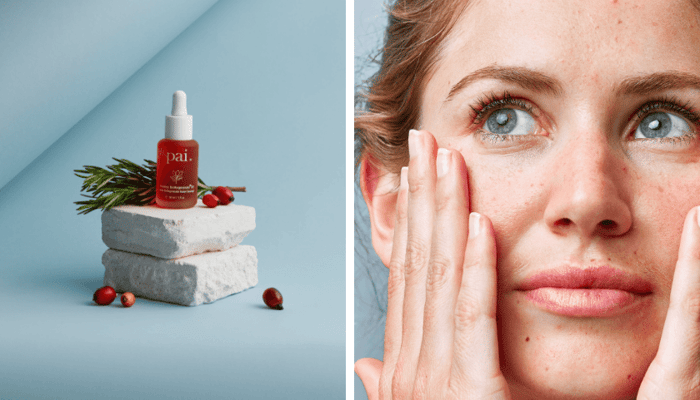
If even the gentlest retinoid feels too much for your skin right now, there's another path to regeneration. Rosehip BioRegenerate doesn't contain vitamin A, but it does contain beta-carotene and a concentrated blend of regenerative compounds that support skin renewal through different mechanisms.
What makes our rosehip oil different is the extraction method. Using CO2 supercritical extraction instead of cold-pressing preserves up to 700% more polyphenols and significantly higher levels of polyunsaturated fatty acids and sterols. These compounds support collagen synthesis and skin renewal without any adjustment period.
Published research confirms rosehip oil accelerates skin repair, improves collagen production, and helps fade pigmentation. The deep orange colour you see? That's the high concentration of carotenoids (beta-carotene and lycopene), powerful antioxidants that protect against oxidative damage while supporting skin elasticity.
Making the right choice for your sensitive skin
Traditional retinol can work for sensitive skin, but it requires patience, careful support, and accepting some level of irritation. For many, the trade-off isn't worth it.
If you want the proven benefits of vitamin A without the drama, our Retinoid Booster offers a smarter approach. Pre-converted retinoic acid means faster results with less irritation.
If your skin needs more time before introducing any form of vitamin A, Rosehip BioRegenerate provides regeneration through a completely different pathway. No irritation, no adjustment period, just overnight renewal.
Whatever path you choose, remember that sensitive skin doesn't mean settling for less effective skincare. It means being smarter about the ingredients and delivery methods you choose. And if you're still unsure, consulting a dermatologist can help determine the best approach for your specific skin concerns.
Want to learn more about ingredients that work for sensitive skin? Read our guide on 12 benefits of rosehip oil for your skin or discover why retinoic acid is the ultimate retinoid for sensitive skin. You might also find our guide to why retinoic acid is the ultimate retinoid for sensitive skin helpful. You might also find our guide to 12 benefits of rosehip oil for your skin helpful. You might also find our guide to improve your sleep for better skin repair helpful.