
Not all soap is bad for your skin
Sarah here. I need to confess something: I use bar soap.
I know. For someone who founded a skincare company because liquid cleansers made her break out in hives, this might sound contradictory. But there's a world of difference between a synthetic detergent bar and a traditional Savon de Marseilles. One strips your skin barrier faster than you can say "sulfate". The other has been keeping French skin happy for centuries.
Why I swapped shower gel for soap
Most liquid soaps contain SLS (Sodium Lauryl Sulfate), a surfactant that's brilliant at removing oil. Too brilliant, actually. Studies show that even 1% SLS concentrations stay in the skin for 24 hours at levels that trigger irritation responses. Translation: it doesn't just remove dirt. It removes your skin's protective lipids too.
Add synthetic fragrance to the mix (another story for another post), and you've got my personal recipe for misery. Heat triggers my urticaria, so a hot shower plus SLS-laden gel equals welts that last for hours.
Traditional bar soap? Different story entirely.
The Marseille difference
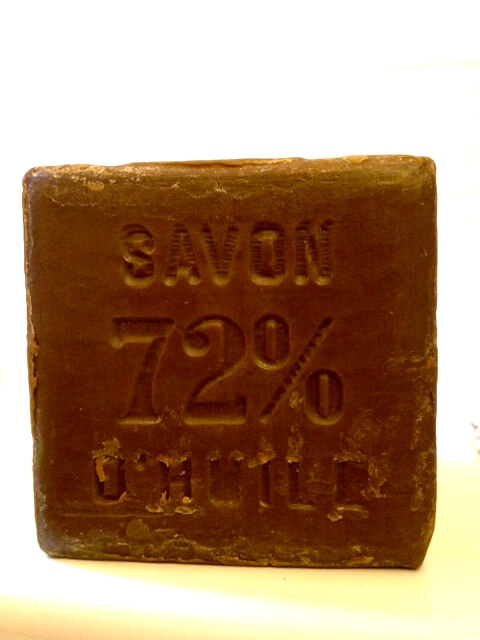
I discovered Savon de Marseilles about eight years ago and haven't looked back. These hefty 600g blocks contain at least 72% olive oil, which is why they don't strip your skin the way synthetic soaps do.
The high vegetable oil content creates what chemists call a "superfatting" effect. Basically, the soap leaves behind a thin film of olive oil that helps maintain your skin barrier instead of destroying it. The oleic acid in olive oil actually reinforces your skin's lipid barrier instead of stripping it away.
The traditional recipe has only four ingredients: olive oil, water, salt, and sodium hydroxide. That's it. No synthetic surfactants to strip your barrier, no fragrance to trigger reactions.
How to use it (without drying out)
The trick with any soap is technique. I use mine with a body puff, which creates masses of lather from the tiniest amount of product. Less soap contact means less potential for dryness. Plus, those 600g blocks last literally months. Mine sits in a draining dish between uses, slowly developing that characteristic sea-salt crust that shows it's the real deal.
A word of caution though: chronic eczema sufferers should still test carefully. Even the gentlest soap is still soap. Try it on a small patch first, see how your skin responds over a few days. Your barrier function might need something even gentler.
What about Pai products?
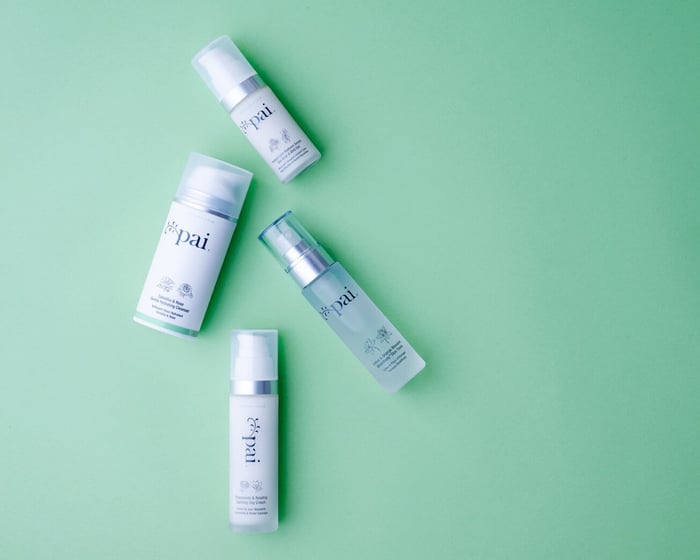
You might wonder why, if I love this soap so much, we don't make one at Pai. Simple: we focus on what we do best. Our cleansers use different technology altogether. The Light Work removes everything (including waterproof mascara) using rosehip and jojoba oils that actually support your barrier while they cleanse. No surfactants at all.
For body care, our Replenishing Body Wash uses ultra-mild, naturally-derived cleansing agents that respect sensitive skin. It's what I designed for the days when even my beloved Marseille soap feels like too much.
But on good skin days? That olive oil block is still my go-to. Sometimes the old ways really are the best.
The bottom line on soap
Not all cleansing is created equal. SLS works by breaking down the lipid bilayers in your skin barrier, it's literally dissolving the 'mortar' between your skin cells. Traditional olive oil soap? Works with your skin instead of against it.
The key is knowing your own skin, understanding ingredients, and choosing accordingly. For me, that means Marseille soap when my skin's behaving, Pai when it's not, and absolutely nothing with SLS ever again.
What's your cleansing confession? I'd love to know I'm not the only skincare founder with a slightly unconventional routine.