
UV damage is responsible for 90% of premature skin ageing. A sobering statistic that suddenly makes SPF the smartest anti-ageing product in your bathroom cabinet. But what actually happens to your skin when it burns? And more importantly, how can you undo the damage once it's done?
When UV radiation hits your skin, it triggers a complex inflammatory cascade that most of us recognise as sunburn. But that redness and heat are just the visible symptoms of something more serious happening at a cellular level.
The molecular mechanics of sunburn
UV rays carry intense energy that damages the DNA in your skin cells. This damage activates specific proteins called prostaglandins and cytokines, which act as inflammatory messengers throughout your skin tissue.
These proteins cause blood vessels to dilate and inflammatory cells to rush to the damaged area. That's the heat, swelling and pain you feel. But here's what most people don't realise: it takes 4-6 hours for these inflammatory proteins to fully activate after UV exposure. You could be back indoors, showered and thinking you've escaped unscathed when the real damage starts to show.
The immediate burn is just the beginning. Regular UV exposure causes cumulative damage that your body struggles to repair. When skin cells become too damaged, they can mutate into potentially cancerous cells. Less dramatically but more visibly, UV radiation breaks down collagen fibres in the dermis. Since collagen maintains skin's firmness and elasticity, its degradation leads directly to lines, wrinkles and loss of structure.
Think of collagen as the scaffolding that keeps your skin taut. UV radiation acts like rust on that scaffolding, weakening it day by day. The result? What dermatologists call photoaging: the premature lines, dark spots and textural changes that make sun-damaged skin look older than its years.
Emergency care for sunburned skin
If you've overdone it in the sun, the first 24 hours are crucial for damage control. Your skin needs immediate anti-inflammatory intervention and barrier support to prevent further damage.
Start with Century Flower™ Barrier Defence Mist. Keep it in the fridge for maximum relief. The lotus root water contains natural compounds that inhibit inflammatory neuropeptides, while deep sea minerals reach the dermis in 23 minutes to kickstart barrier repair. Spritz liberally and let it absorb before applying anything else.
Next, reach for The Anthemis™ Chamomile & Rosehip Soothing Moisturiser. This is your heavy artillery against inflammation. The CO2-extracted chamomile delivers chamazulene, a powerful natural anti-inflammatory that gives the extract its distinctive blue colour. Chamazulene works by suppressing prostaglandin synthesis, the same pathway that causes sunburn's heat and swelling. The rosehip component accelerates skin's natural healing processes while rebuilding the compromised barrier.
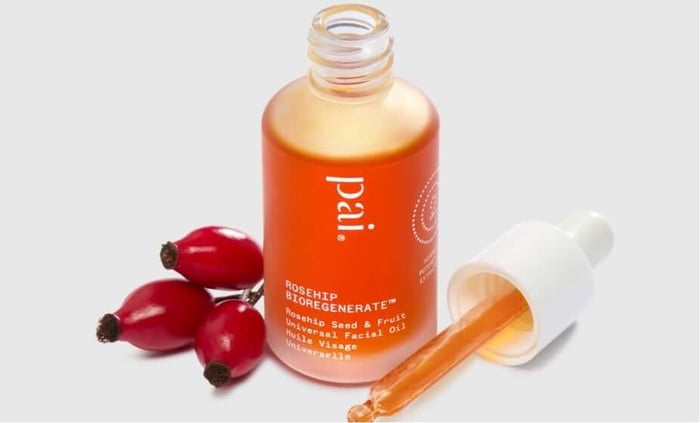
For more severe burns or if your skin feels particularly raw, pure Rosehip BioRegenerate™ Face Oil provides intensive overnight repair. Our CO2-extracted rosehip contains up to 700% more regenerative compounds than cold-pressed versions. Drop it directly onto inflamed areas or mix with your regular aftersun. The high concentration of polyunsaturated fatty acids helps reconstruct damaged cell membranes while the natural trans-retinoic acid content supports cellular turnover.
Reversing long-term sun damage
For existing sun damage like dark spots and hyperpigmentation, you need ingredients that work at the melanocyte level, where pigment is produced.
Our Fade Forward™ Dark Spot Serum takes a unique approach to hyperpigmentation. Rather than bleaching or exfoliating, it targets the broken communication between skin cells that causes uneven pigmentation. The hero ingredient, marine algae extract, restores something called SDF-1 signalling. Without getting too technical, this is the cellular messenger that tells your pigment cells when to stop producing melanin. Sun damage disrupts this signalling, leading to those stubborn dark spots that won't shift.
Clinical studies show this marine algae approach reduces the appearance of dark spots by up to 26% by actually fixing the root cause rather than just treating the surface. Paired with oil-soluble Vitamin C that penetrates deeper than standard formulations, it's proven to reduce hyperpigmentation in just four weeks of daily use.
Prevention: your only real defence
Once you understand the cellular devastation UV causes, prevention becomes non-negotiable. Stay out of direct sun between 11am and 3pm when UV rays are strongest. When you are outside, proper sun protection is essential.
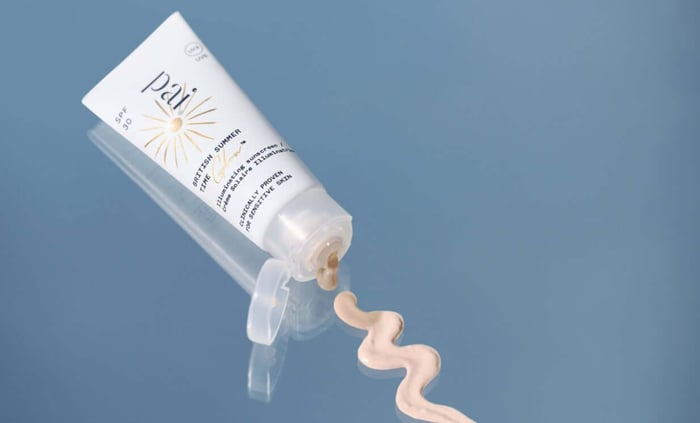
Choose a mineral SPF that sits on top of skin to physically deflect UV rays rather than chemical filters that absorb into skin. Our British Summer Time SPF 30 uses non-nano zinc oxide that's gentle enough for reactive skin while providing genuine broad-spectrum protection. Apply generously (most people use less than half the amount needed for stated protection) and reapply every two hours, or immediately after swimming or sweating.
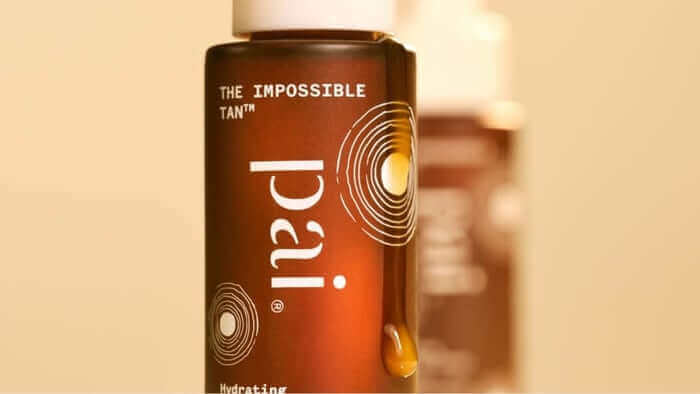
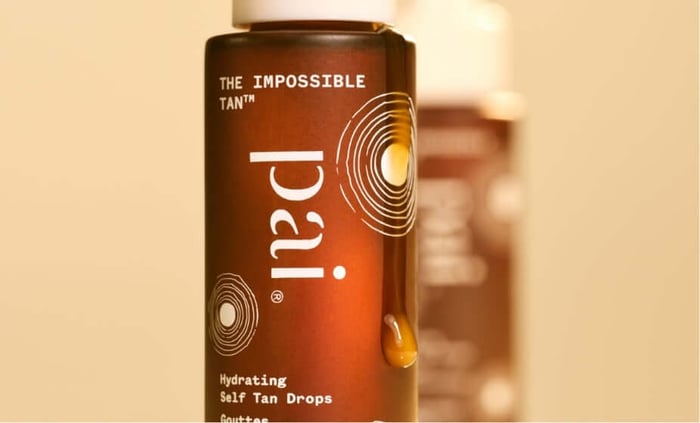
Here's a truth the beauty industry doesn't shout about: there's no such thing as a healthy tan from the sun. That golden glow is literally your skin's injury response to UV damage. If you want the look without the cellular destruction, reach for The Impossible Tan™ Hydrating Self Tan Drops. These drops use naturally-derived DHA from sugar beets to create a gradual, streak-free colour that develops over 4-6 hours. Mix them with your regular moisturiser for a subtle glow or apply neat for deeper colour. No UV damage required.
The science of sun protection
Understanding why mineral sunscreens work better for sensitive skin comes down to mechanism. Chemical filters like oxybenzone and octinoxate work by absorbing UV radiation and converting it to heat, which then dissipates from your skin. This heat generation can trigger inflammation in already reactive skin.
Mineral filters like zinc oxide work differently. They sit on the skin's surface and physically scatter UV rays away from your skin, like millions of tiny mirrors. No heat generation, no chemical reaction, just physical deflection. This makes them ideal for post-procedure skin, rosacea, or anyone whose skin reacts to chemical filters.
Modern formulation technology has solved the old problem of mineral sunscreens leaving a white cast. Micronised (but still non-nano) zinc particles provide invisible protection without the chalky finish of older formulations. Combined with skin-conditioning ingredients, today's mineral SPFs protect while actually improving skin condition.
Remember: the best anti-ageing product isn't retinol or peptides or even our beloved rosehip oil. It's the SPF you apply every single morning, rain or shine, summer or winter. Because the damage you prevent today is damage you won't need to reverse tomorrow.
Shop our mineral sunscreens for daily protection and discover the full range of brightening treatments for existing sun damage.
Frequently Asked Questions
Why does sunburn appear hours after you've been in the sun?
UV radiation damages molecules on the skin's surface and triggers the synthesis of proteins like prostaglandins and cytokines. These proteins cause blood vessels to dilate and inflammatory cells to gather at the affected area, but they take 4 to 6 hours to kick in after the initial over-exposure, which is why sunburn often shows up long after you've come inside.
How does sun damage cause premature skin ageing?
Sun damage accounts for a staggering 90% of premature skin ageing. Scientists believe this is largely due to UV rays breaking down collagen, the protein responsible for maintaining skin strength, firmness and elasticity. As collagen depletes, skin becomes more loose, lined and lacklustre.
What's the best way to soothe sunburned skin?
Start with Century Flower Barrier Defence Mist (kept in the fridge for extra relief) to instantly calm skin and support your barrier. Follow with The Anthemis, a chamomile-based calming moisturiser rich in chamazulene, a natural anti-inflammatory that cools skin and reduces swelling. For overnight repair, apply Rosehip Bioregenerate Oil neat or mixed into your aftersun to accelerate the skin's natural healing process.
Can you treat long-term sun damage like dark spots and hyperpigmentation?
Yes. Fade Forward Dark Spot Serum combines stabilised Vitamin C with marine algae, an active that tackles the root cause of discolouration by restoring the SDF-1 signalling pathway between fibroblasts and melanocytes. In a clinical study of 20 subjects over 9 weeks, it was proven to reduce the appearance of dark spots, and 82% of women in an independent consumer trial agreed it visibly reduced dark spot appearance.
What type of sunscreen is best for sensitive skin?
A mineral broad-spectrum SPF is the best choice for sensitive skin because it provides a physical shield against both UVA and UVB rays rather than relying on chemical filters. Apply generously and reapply regularly, especially if you're out between the peak UV hours of 11am and 3pm. And remember, there's no such thing as a safe tan, so daily sunscreen is essential regardless of the weather.