
8 Ways to Use Your Muslin Cloth
A good muslin cloth is one of the most useful tools in skincare. It lifts away makeup, SPF, and the day's dirt without stripping your skin's natural oils. Unlike harsh cleansing methods that disrupt your pH and damage your barrier, a soft cloth preserves what protects you while removing what doesn't belong.
If you've accumulated a collection of cloths over the years, here's how to make the most of them.
How to use a muslin cloth for your face
1. Gentle daily exfoliation
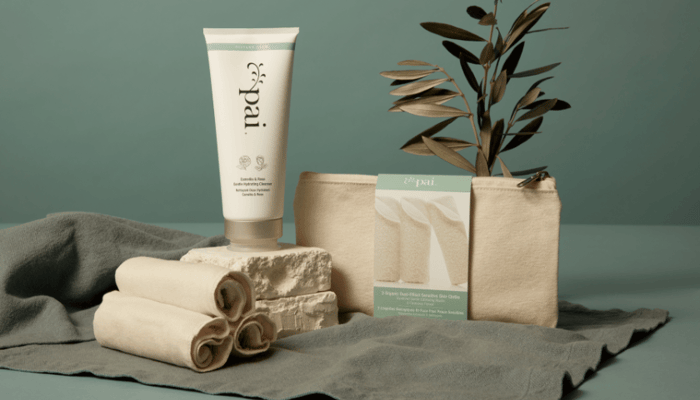
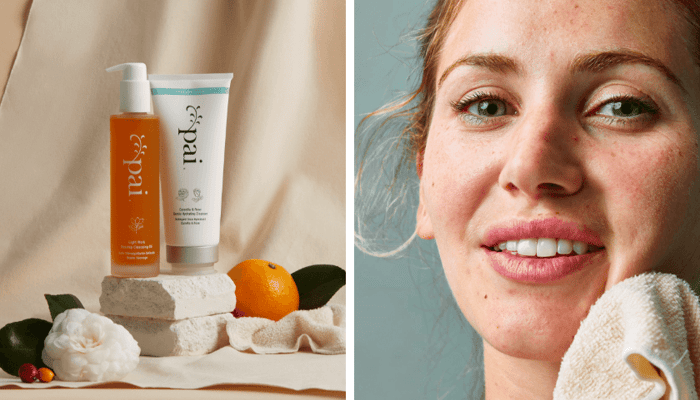
A muslin cloth transforms your cleansing routine into a mild exfoliation treatment. When you remove your cleanser with circular motions using The Aileron Cleansing Cloths, the cloth's texture buffs away dead skin cells that would otherwise sit on the surface, making skin look dull and blocking product absorption.
This mechanical exfoliation is gentler than chemical exfoliants (no pH disruption) and more controlled than grainy scrubs (no micro-tears). For dry skin, it reveals the fresh cells underneath. For oily skin, it prevents the dead cell buildup that contributes to blocked pores.
2. Smooth lips in seconds
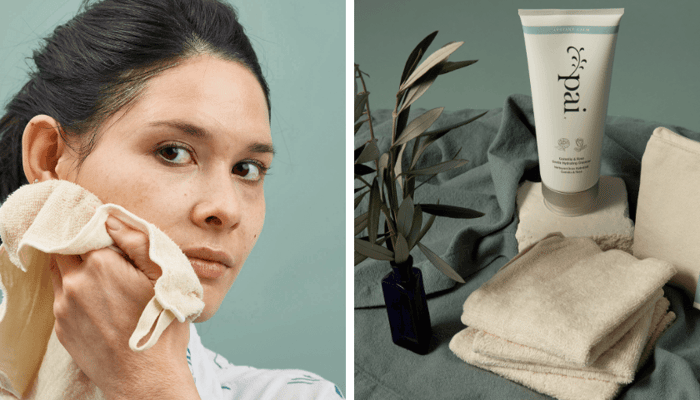
Chapped lips make lipstick look terrible. Before applying colour, dampen a corner of your muslin cloth with warm water and gently buff your lips in circular motions. The cloth removes flaky skin without the harshness of sugar scrubs. Follow with lip balm and your lipstick glides on smoothly.
3. Enhance your face mask
Soak your muslin cloth in warm water, wring it out, then place it over your face mask for 1-2 minutes. The gentle heat opens pores and helps active ingredients penetrate deeper. Works particularly well with hydrating or brightening masks. Just ensure the water isn't too hot (test on your wrist first).
How to use a muslin cloth for your body
4. Body exfoliation for sensitive skin
A customer with severe eczema told us she'd given up on body exfoliation entirely until she tried this. A damp muslin cloth in the shower provides gentle exfoliation without triggering redness or irritation. It's particularly helpful for those with eczema or keratosis pilaris, where traditional exfoliation methods cause flare-ups.
The cloth smooths rough patches and improves absorption of your body moisturiser. No scratching, no inflammation, just softer skin.
5. Prevent ingrown hairs
Regular exfoliation with a muslin cloth helps prevent ingrown hairs by keeping follicles clear. Gently buff areas prone to ingrowns (bikini line, underarms, legs) between hair removal sessions. For existing bumps, daily gentle buffing encourages trapped hairs to surface naturally. Far gentler than trying to extract them manually.
Give old cloths a second life
When your cloths lose their exfoliating texture, they're still useful around the house.
6. Emergency stain removal
The loose weave of muslin makes it excellent for lifting stains before they set. Dampen the cloth and gently work at the stain. The texture grabs onto the stain particles better than smooth fabric. Works on everything from coffee spills to baby food.
7. Kitchen strainer
Old muslin cloths make excellent strainers for homemade nut milks, cold brew coffee, or herb-infused oils. Wash thoroughly first to remove any skincare residue. The fine weave catches pulp and particles while letting liquid through cleanly.
8. Delicate surface cleaner
Use retired cloths to clean delicate surfaces: suede shoes, leather bags, camera lenses, computer screens. The soft texture won't scratch, and the loose weave picks up dust effectively.
Caring for your cloths
Wash your facial cloths after every 2-3 uses in hot water (60°C kills bacteria). Don't use fabric softener, which reduces absorbency. Air dry when possible. Replace facial cloths every 2-3 months, or when they start to feel rough or lose their structure.
A well-used muslin cloth is the sign of a good skincare routine. They're simple, effective, and prove that the best tools don't need to be complicated.