
Zinc rarely gets top billing in the skincare world. It's the supporting actor behind the flashier vitamins and trendy adaptogens. Which is odd, really, because without zinc your skin cells couldn't divide properly, wounds wouldn't heal, and your natural UV protection would collapse.
In fact, zinc is so essential that your body has evolved multiple backup systems to hoard it. And when you get the right form of zinc onto your skin? That's when you see real results: regulated oil production, calmer inflammation, faster healing.
How zinc form determines effectiveness
Not all zincs are created equal, and the type matters more than the amount.
Zinc oxide is the form you'll find in nappy creams and mineral sunscreens. It sits on top of skin like a protective shield, which is exactly what you want from an SPF but not particularly helpful for targeting blemishes or calming inflammation.
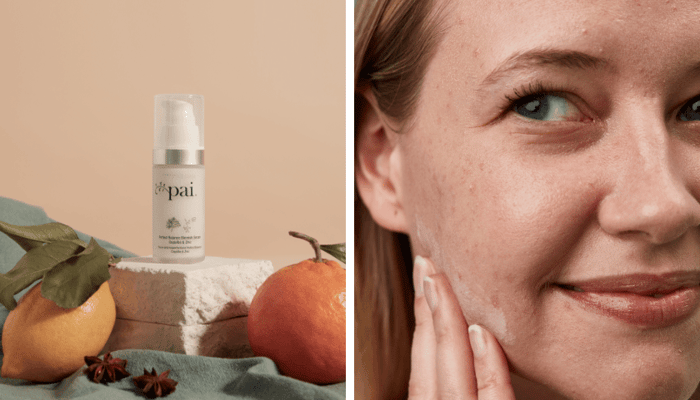
Zinc PCA, on the other hand, is bioavailable. It penetrates where it's needed. This zinc salt regulates sebum production (the research shows up to 28% reduction in oiliness), inhibits the growth of acne-causing bacteria, and helps repair damaged skin barrier function. It's also remarkably gentle, which is why we chose it for All Becomes Clear, our targeted blemish serum.
The combination of zinc PCA with copaiba oil creates a dual-action approach: the zinc tackles excess oil and bacteria while the copaiba (nature's most concentrated source of beta-caryophyllene) calms inflammation. It's the difference between just drying out a spot and actually helping skin heal.
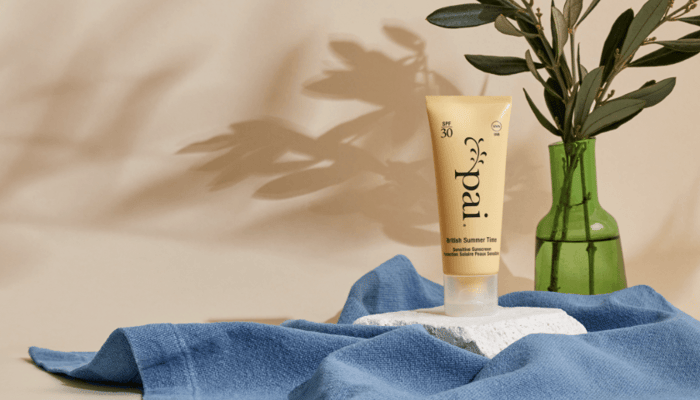
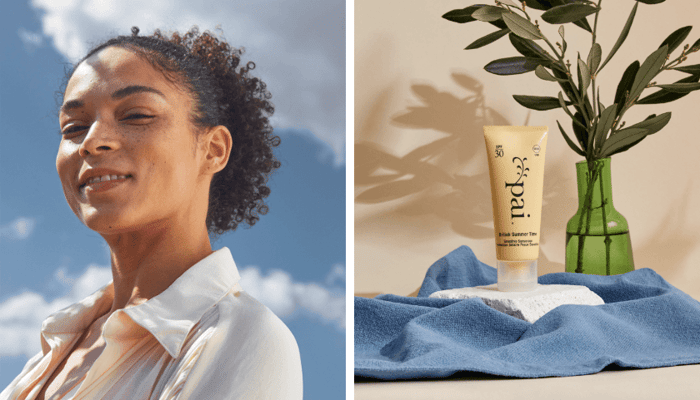
You'll find zinc oxide doing completely different work in our British Summer Time SPF30. Here it acts as a physical UV filter, deflecting both UVA and UVB rays before they can trigger melanin production or collagen breakdown. We use non-nano zinc oxide, which means the particles are large enough to stay on skin's surface (where they belong) rather than being absorbed. It also means they won't harm coral reefs, which matters if you're swimming somewhere more exotic than Brighton.
Signs your skin needs more zinc
Your body contains about 2-3 grams of zinc total. That's less than a teaspoon, distributed across every cell. Most of it lives in your muscles and bones, with skin getting about 5% of the total supply. When you're deficient, skin is often the first place it shows.
The signs are subtle at first. Wounds take longer to heal. Blemishes linger. Your skin might feel more reactive or look duller than usual. That's because zinc is cofactor for over 300 enzymes, including the ones that build collagen, repair DNA damage, and regulate inflammation.
The recommended daily intake is 11mg for adult men and 8mg for women (higher if you're pregnant or breastfeeding). Yet the World Health Organisation estimates that over 30% of the global population doesn't get enough. In the UK, it's particularly common in vegetarians and vegans, since plant sources of zinc come packaged with phytates that block absorption.
How to increase zinc levels effectively
The richest food source of zinc is oysters, containing up to 74mg per serving. Not exactly an everyday food for most of us. More realistic options include beef, lamb, pumpkin seeds, cashews, and chickpeas. Dark chocolate contains decent amounts too, which feels like the universe throwing us a bone.
For vegetarians and vegans, the absorption issue is real but manageable. Soaking beans and grains reduces phytate content. Fermented foods like tempeh provide more bioavailable zinc than their unfermented counterparts. Pairing zinc-rich foods with citrus or other vitamin C sources also boosts absorption.
But here's the thing about dietary zinc and skin: it's a bit like watering a plant from the roots when the leaves are dry. Beneficial, absolutely. But topical application targets the tissue that needs it most. That's why dermatologists often prescribe zinc-based treatments for acne, rosacea, and wound healing, rather than just recommending supplements.
Why zinc works
Zinc deserves more credit than it gets. It's not sexy or new or extracted from some rare Himalayan flower. But it works. The key is getting the right form in the right place.
For blemish-prone skin, that means zinc PCA in a formula that enhances penetration without irritation. For sun protection, it means non-nano zinc oxide that stays on the surface. And for overall skin health, it means ensuring you're getting enough through diet or, if needed, supplementation.
Consider zinc the dependable friend of skincare ingredients. Not flashy, not trending, just quietly essential for healthy skin. Sometimes that's exactly what you need.